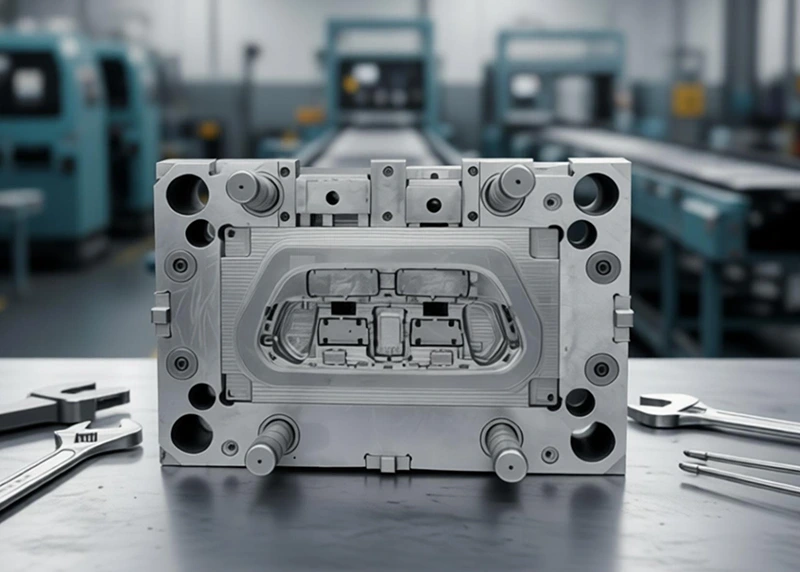
Summary: Plastic tables are widely used in households, offices, and commercial spaces due to their lightweight, durability, and affordability. The key to producing high-quality plastic tables efficiently lies in the design and use of the right plastic table mould. This article explores how plastic table moulds can optimize production, reduce costs, and improve product quality.
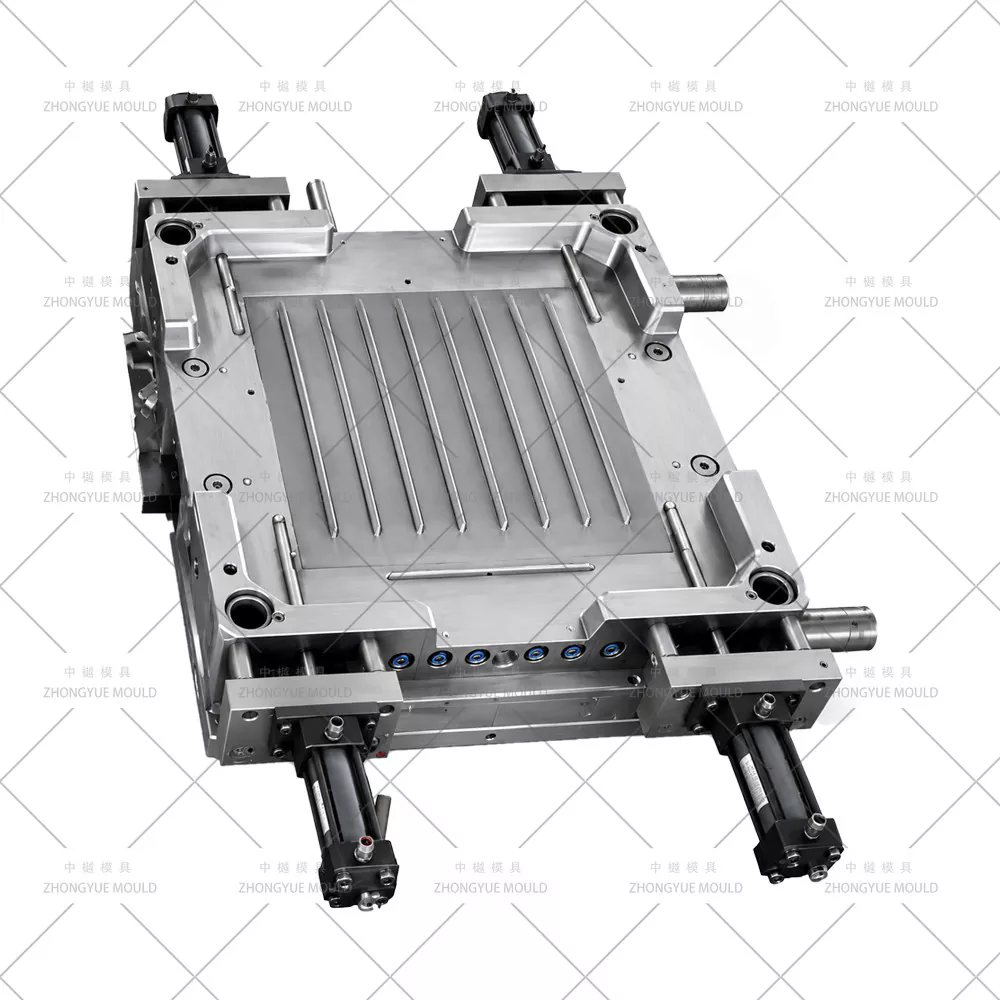
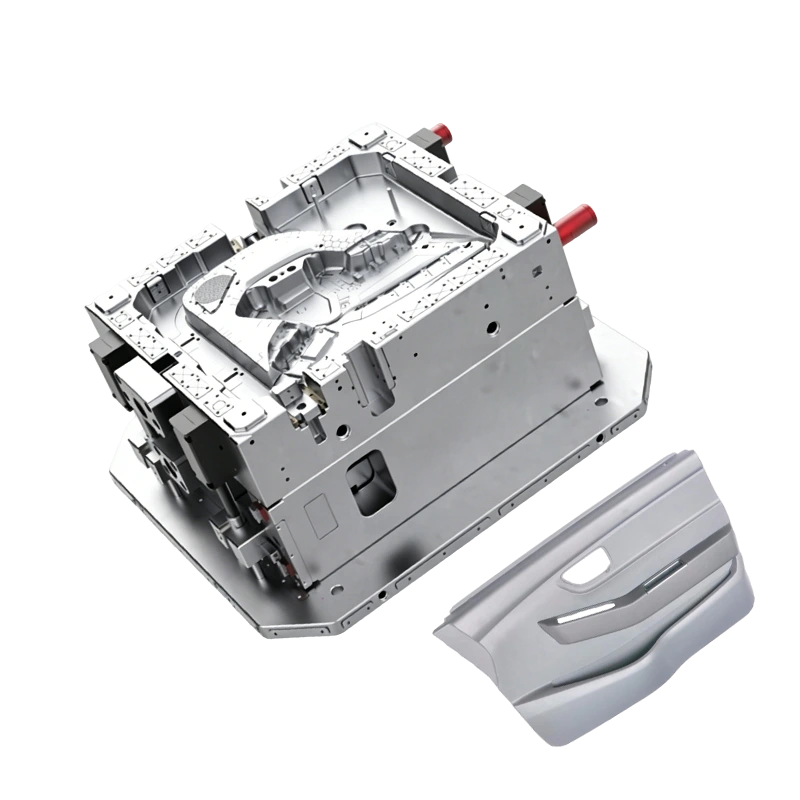
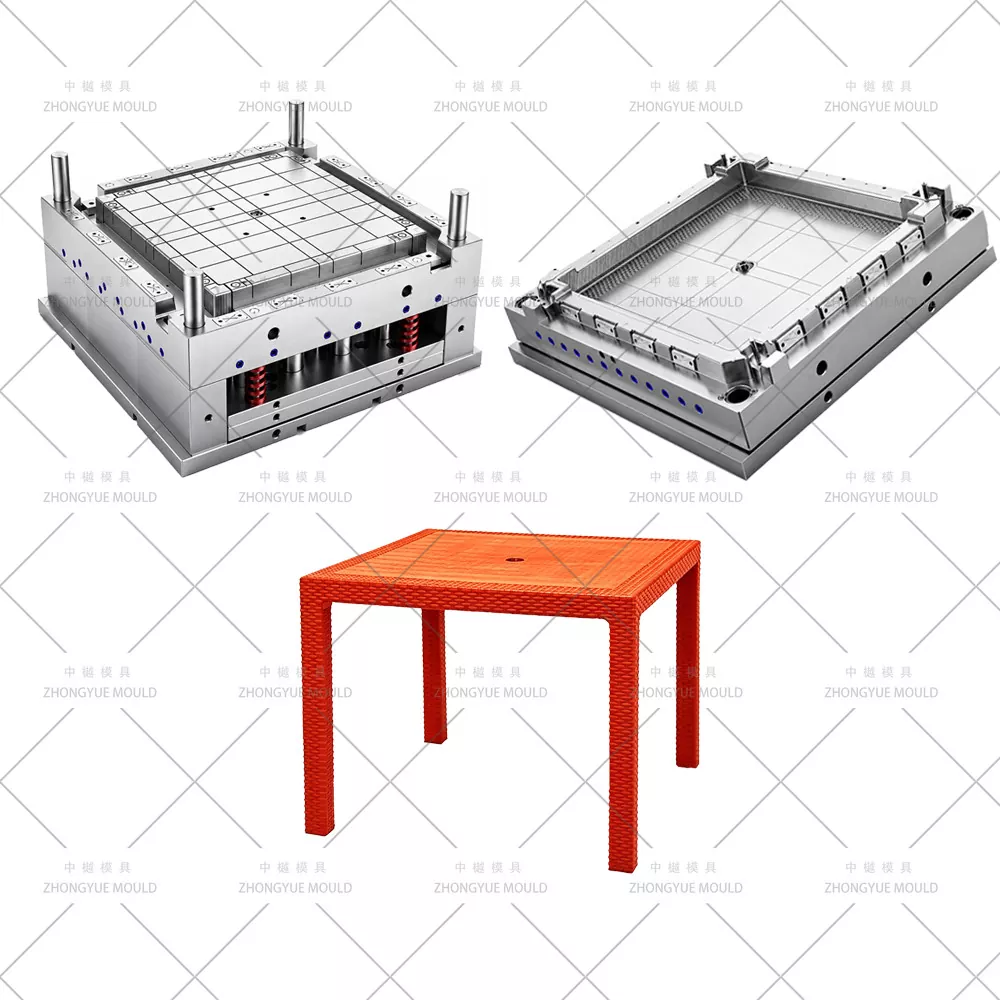
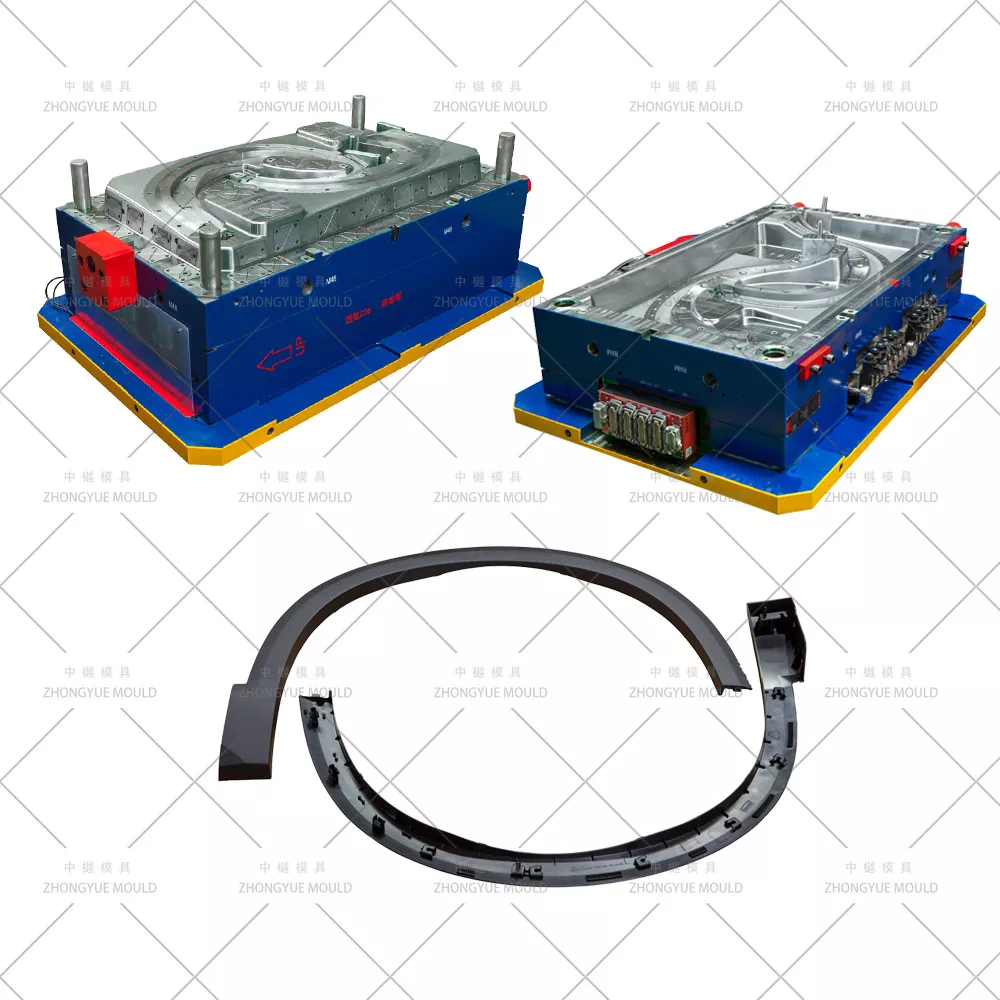
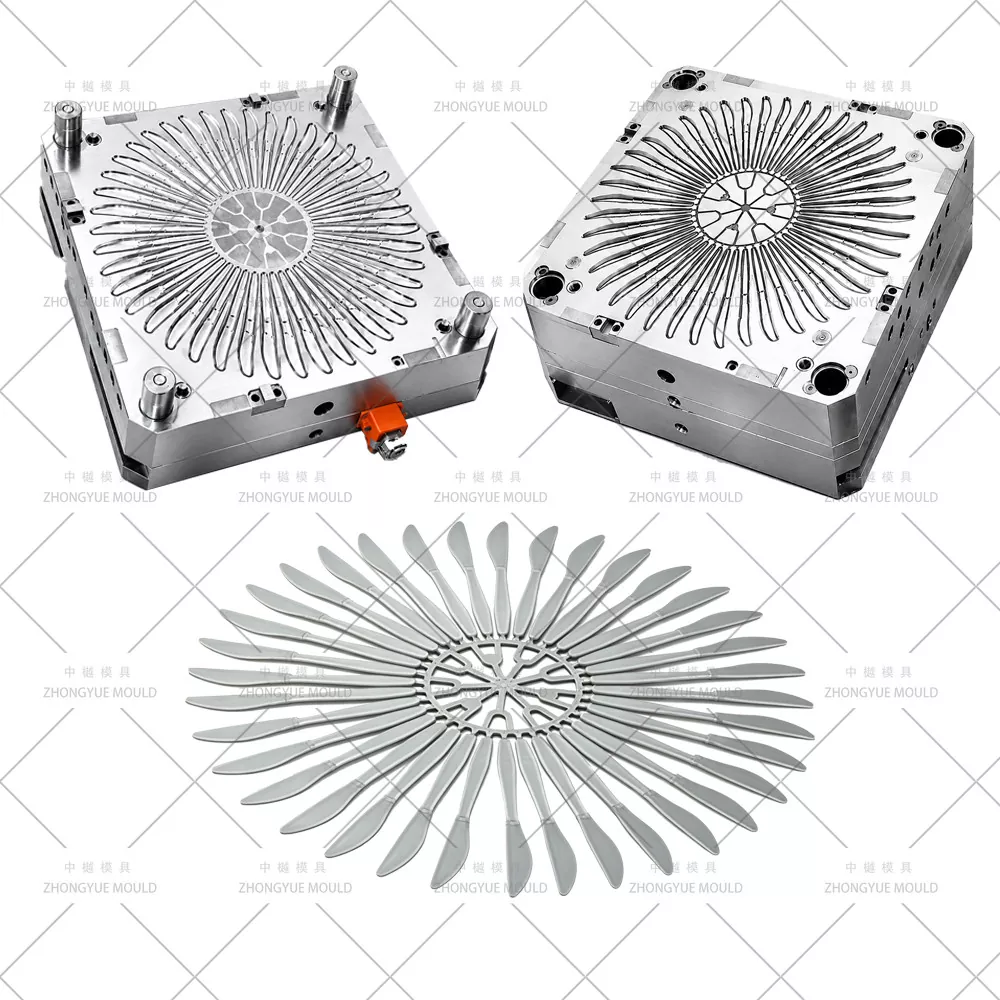
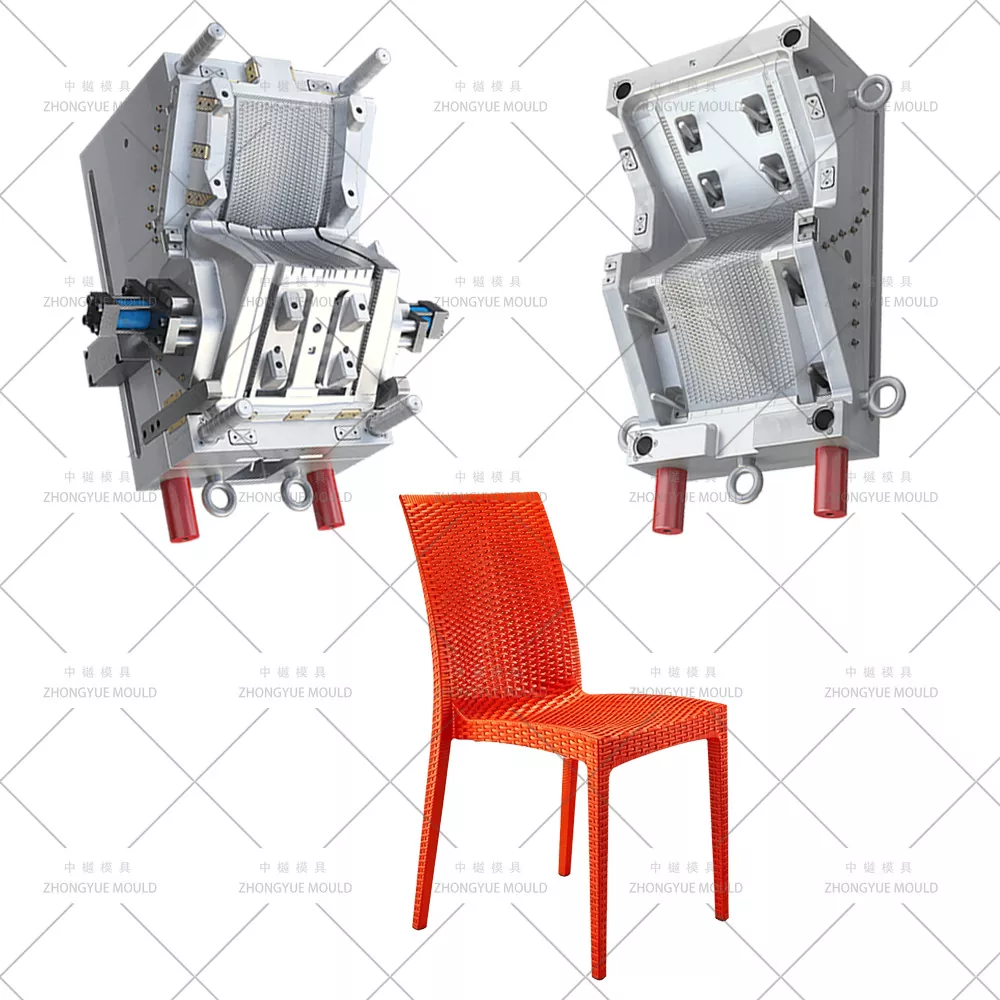
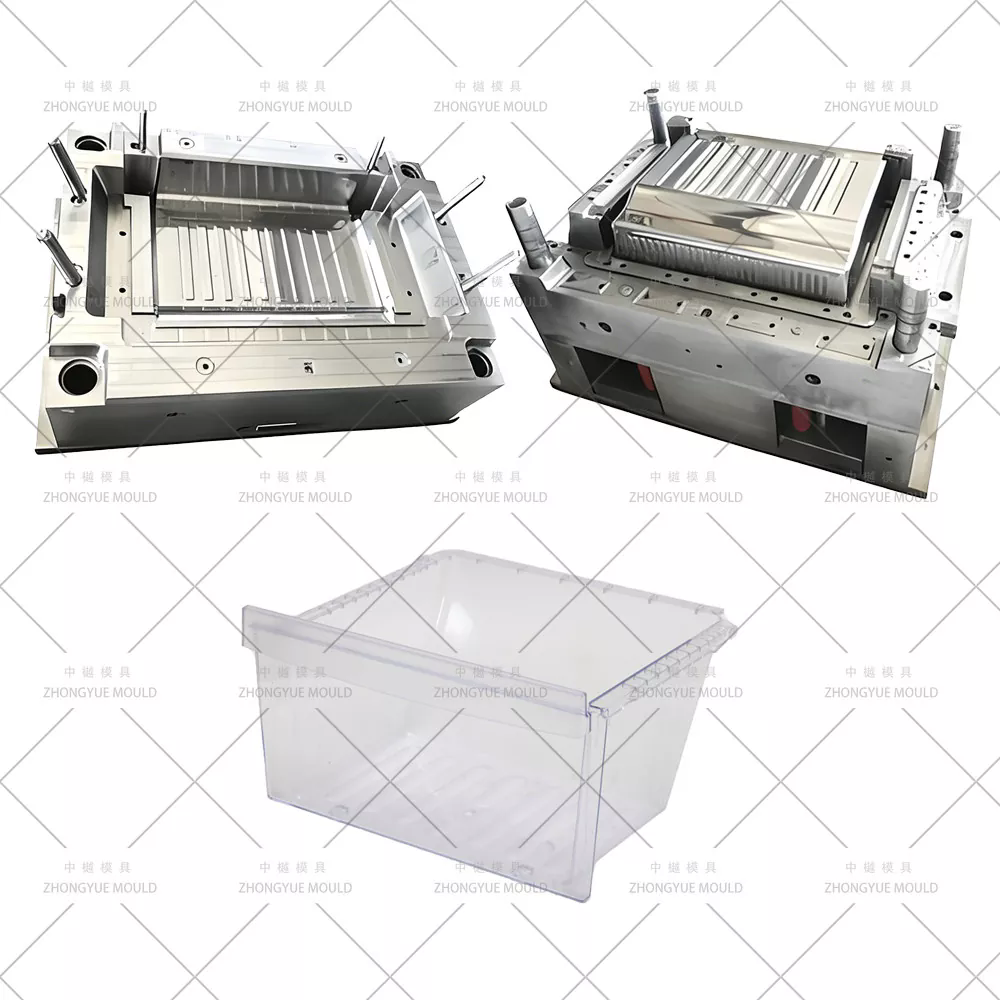
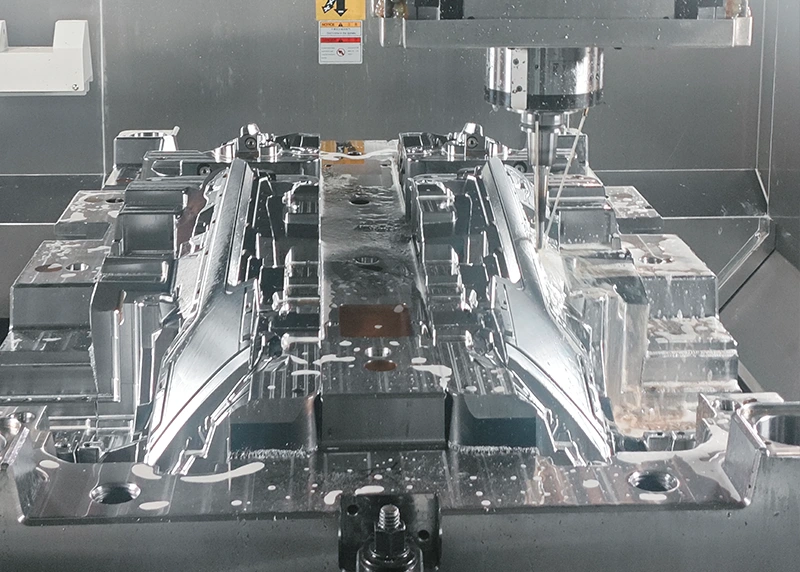
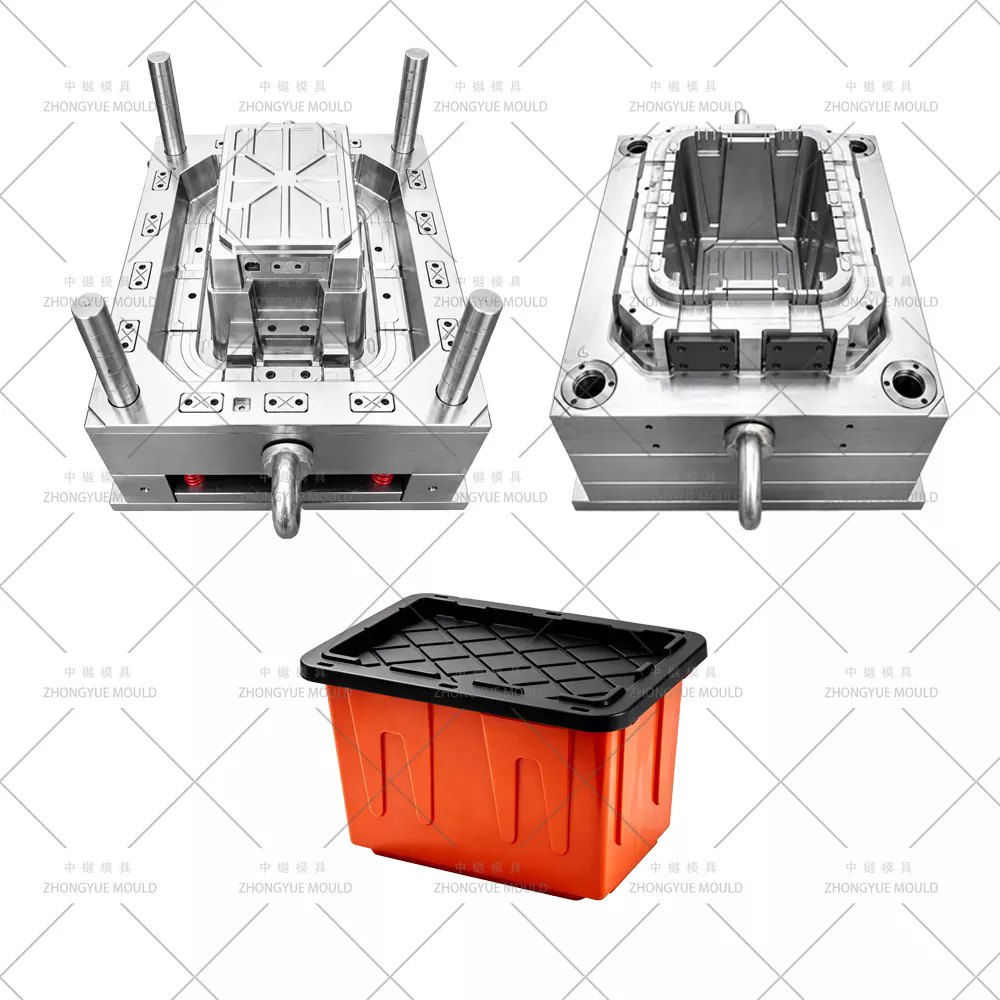
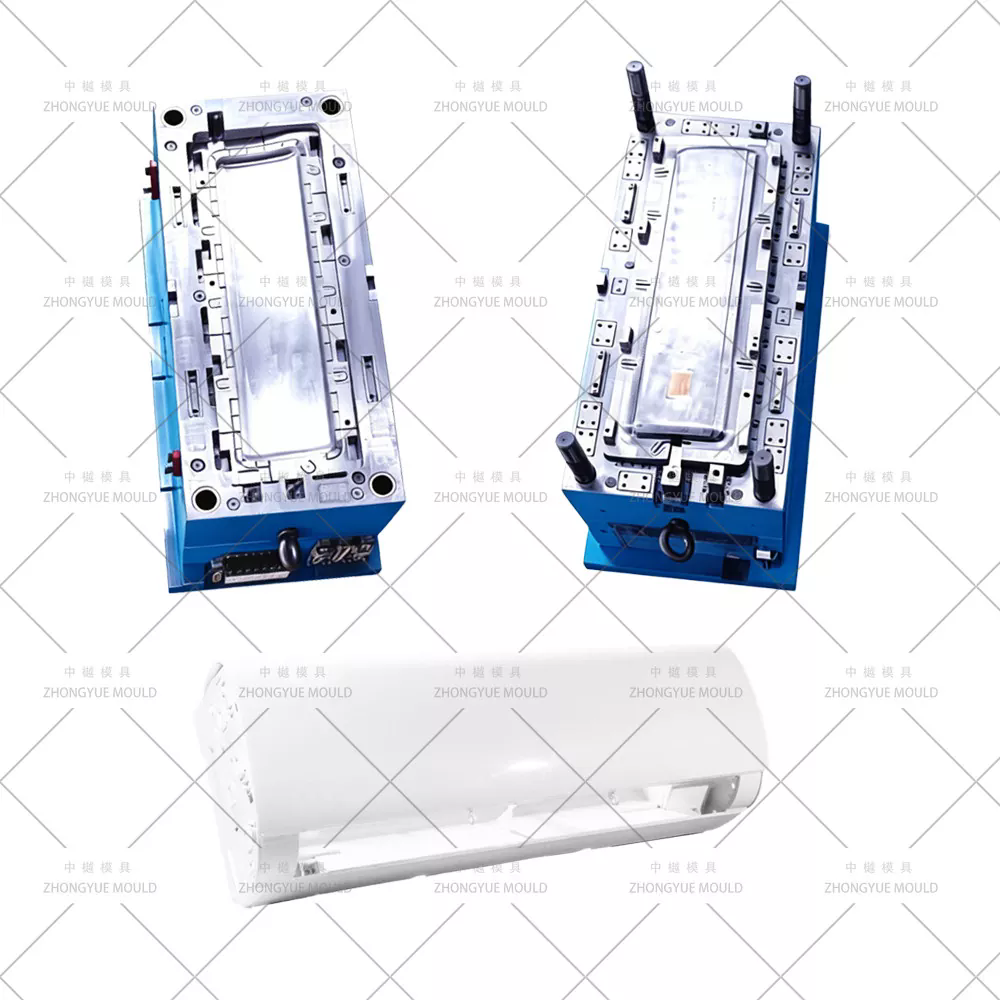
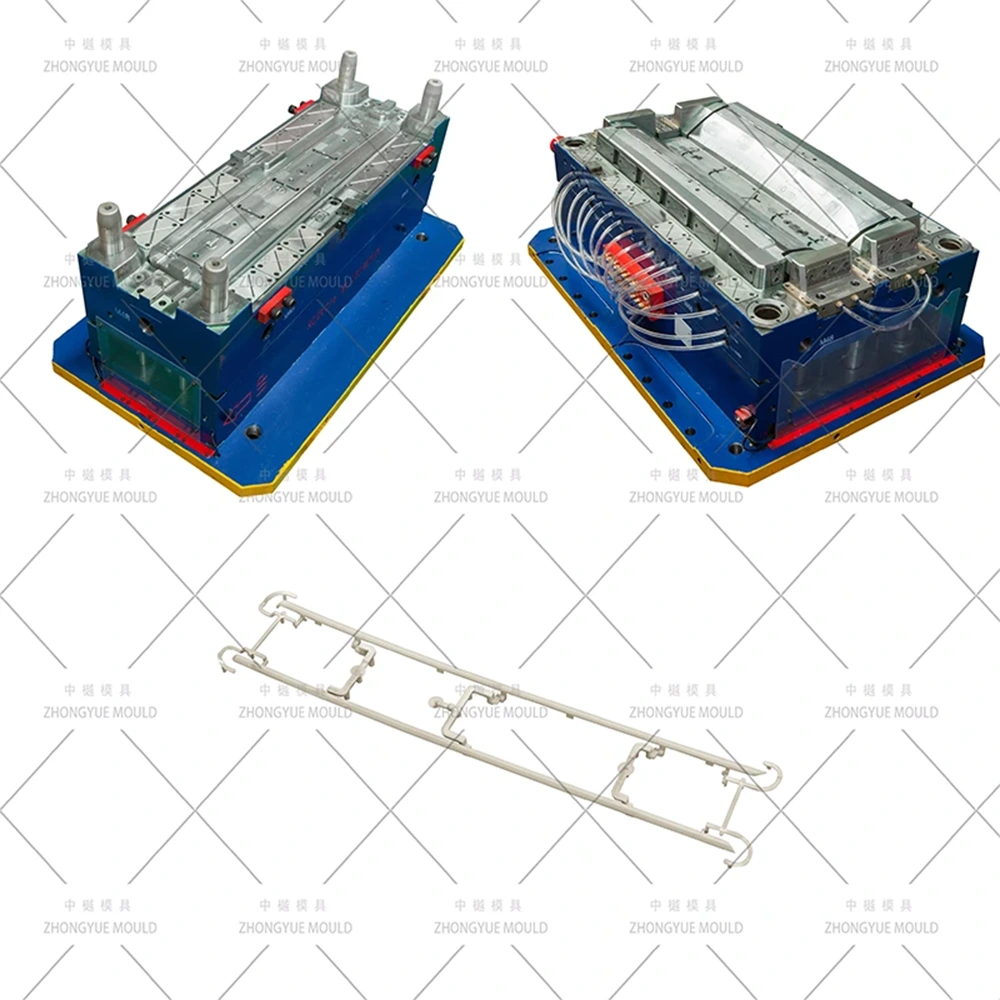
Plastic table moulds are essential tools in the plastic manufacturing industry. They are precision-engineered to shape molten plastic into tables of various sizes, styles, and functionalities. Investing in high-quality moulds ensures that manufacturers can consistently produce tables with excellent durability and aesthetic appeal.
Plastic table moulds can be categorized based on their design, material, and production process. Understanding the different types helps manufacturers choose the best solution for their specific needs.
| Type | Characteristics | Typical Use |
|---|---|---|
| Injection Mould | High precision, suitable for mass production, supports complex designs | Indoor tables, office furniture |
| Blow Mould | Hollow designs, less material usage, lighter tables | Outdoor tables, foldable tables |
| Compression Mould | High strength, minimal material wastage, ideal for heavy-duty tables | Industrial or commercial use |
Designing an effective plastic table mould requires careful attention to multiple factors. Each factor directly impacts product quality and manufacturing efficiency.
Optimizing the production process with the right mould can significantly improve efficiency and reduce costs.
Even with high-quality moulds, manufacturers may encounter issues. Addressing them proactively ensures smooth operations.
| Issue | Cause | Solution |
|---|---|---|
| Warping | Uneven cooling, improper mould design | Optimize cooling channels, adjust mould temperature |
| Flash | Excessive injection pressure or worn mould | Check mould fit, adjust injection parameters |
| Surface Defects | Dirty mould or improper venting | Regular cleaning, ensure proper venting |
| Low Production Efficiency | Poor mould design or outdated equipment | Upgrade mould, optimize cycle times, introduce automation |
Q1: How long does a plastic table mould last?
A1: Depending on the material and maintenance, high-quality moulds can last for hundreds of thousands of production cycles.
Q2: Can the mould be customized for specific table designs?
A2: Yes, moulds can be tailor-made to meet specific design, size, and structural requirements.
Q3: What materials are suitable for plastic tables?
A3: Common materials include polypropylene (PP), polyethylene (PE), and ABS, chosen based on strength, flexibility, and cost.
Q4: How can I reduce defects during production?
A4: Regular mould maintenance, proper cooling, and precise injection settings help minimize defects.
Investing in high-quality plastic table moulds can dramatically improve your manufacturing efficiency, product quality, and cost-effectiveness. From careful design to optimized production processes, each step ensures better output and less downtime.
For premium plastic table moulds designed for maximum efficiency, trust Taizhou Zhongyue Mould Co.,Ltd.. Visit our product page or contact us today to discuss your requirements and start enhancing your production line immediately!