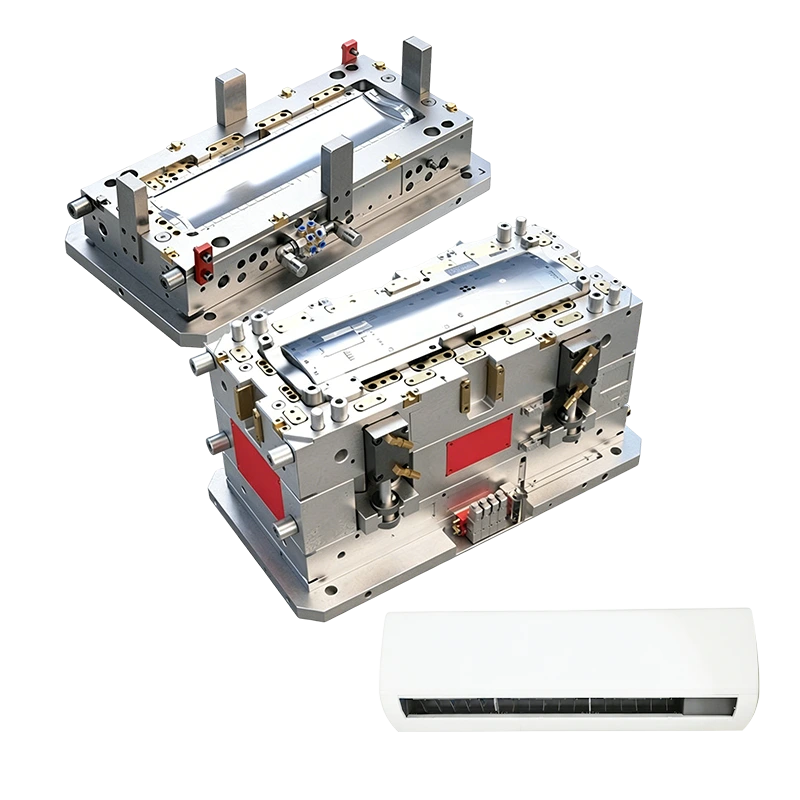
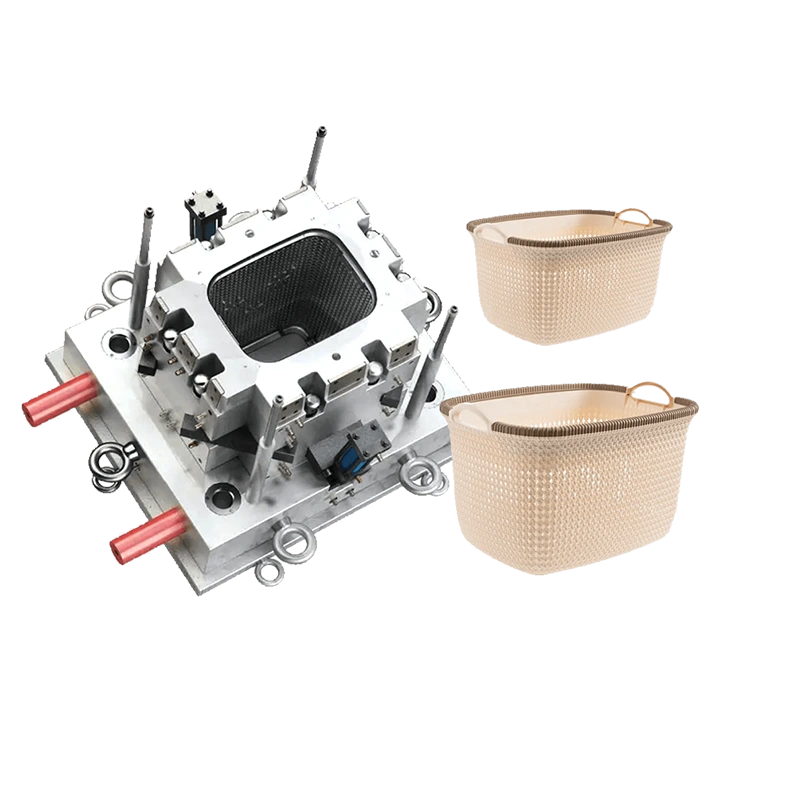
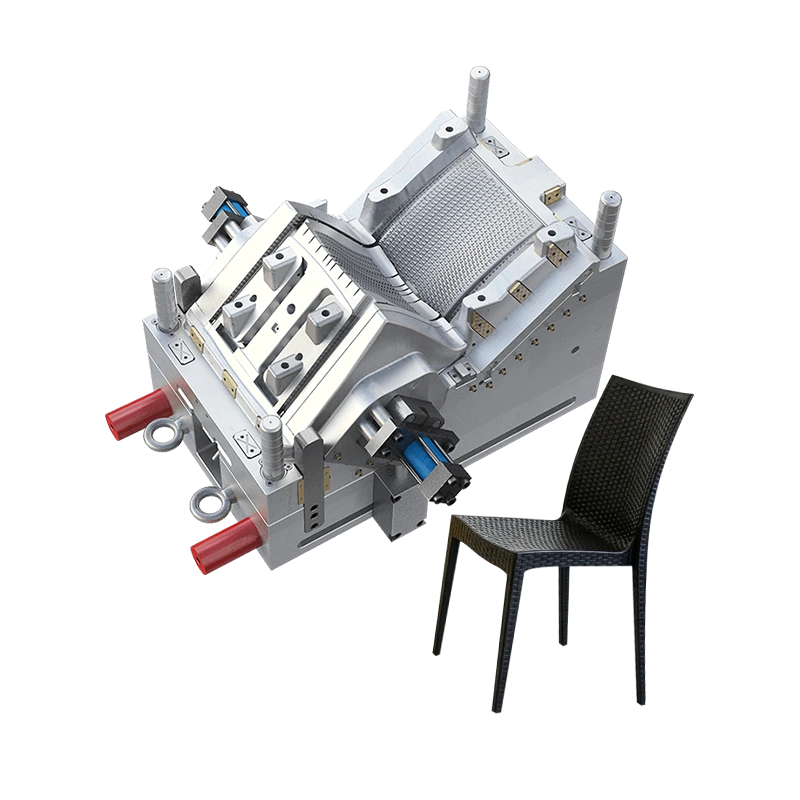
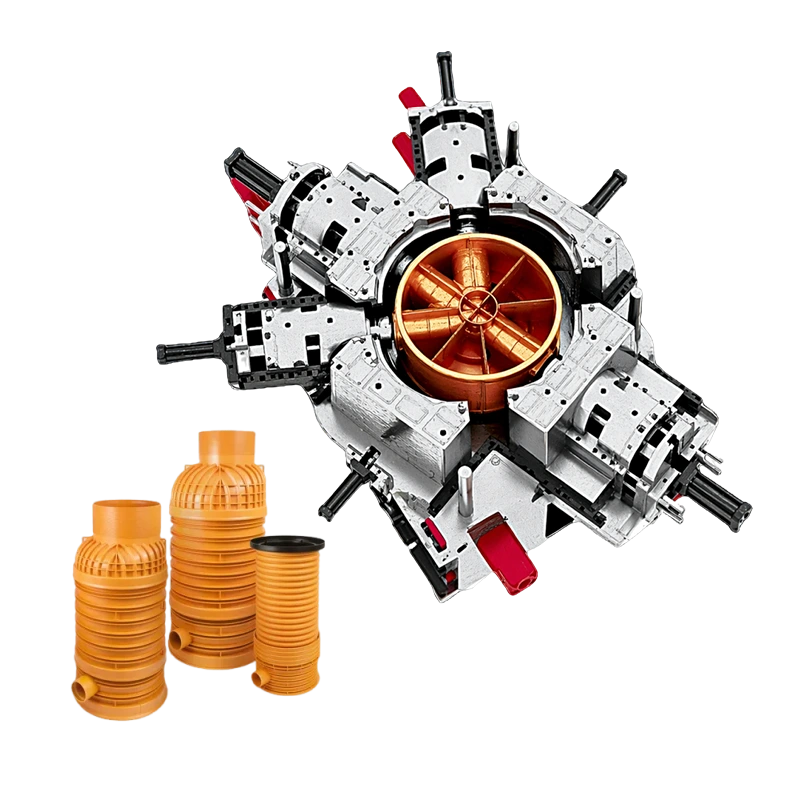
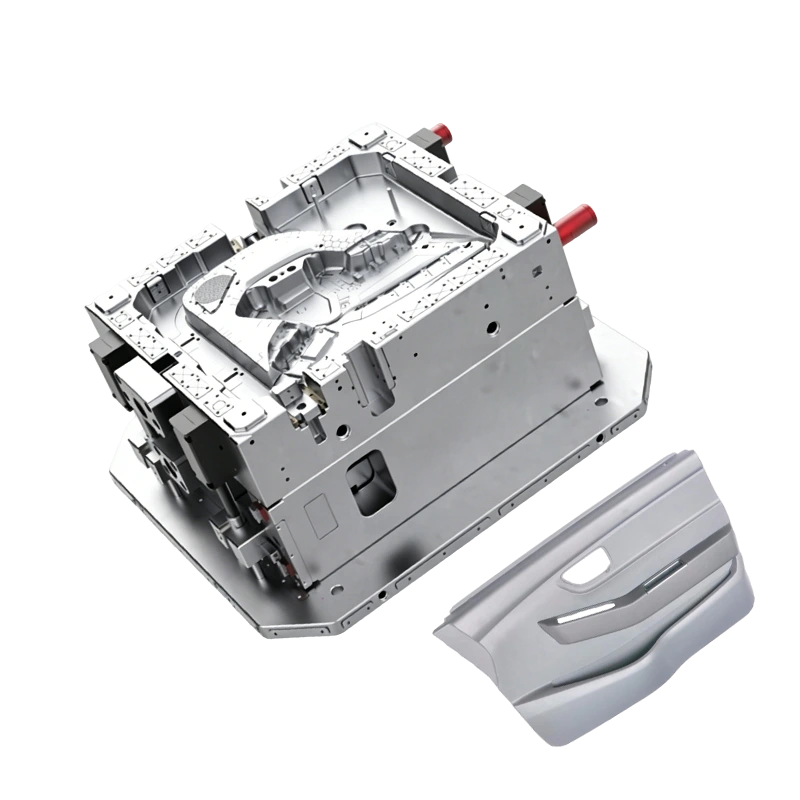
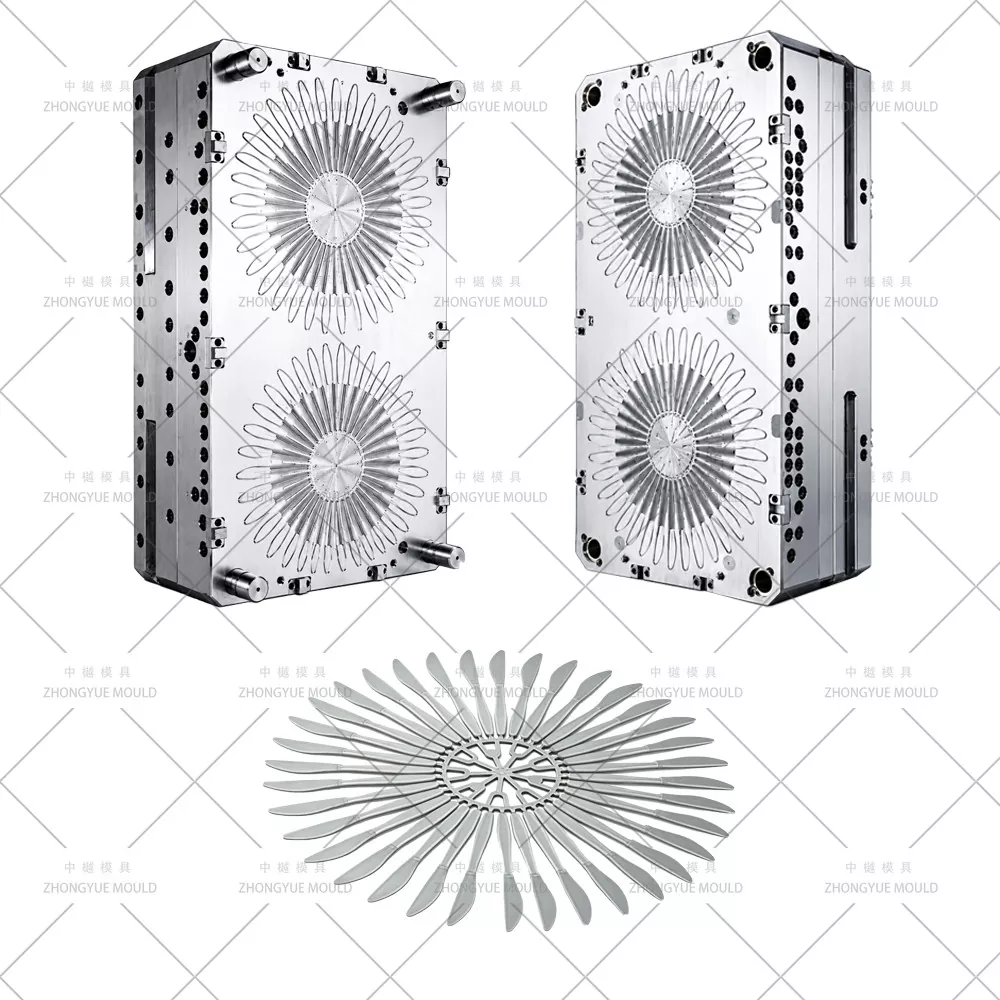
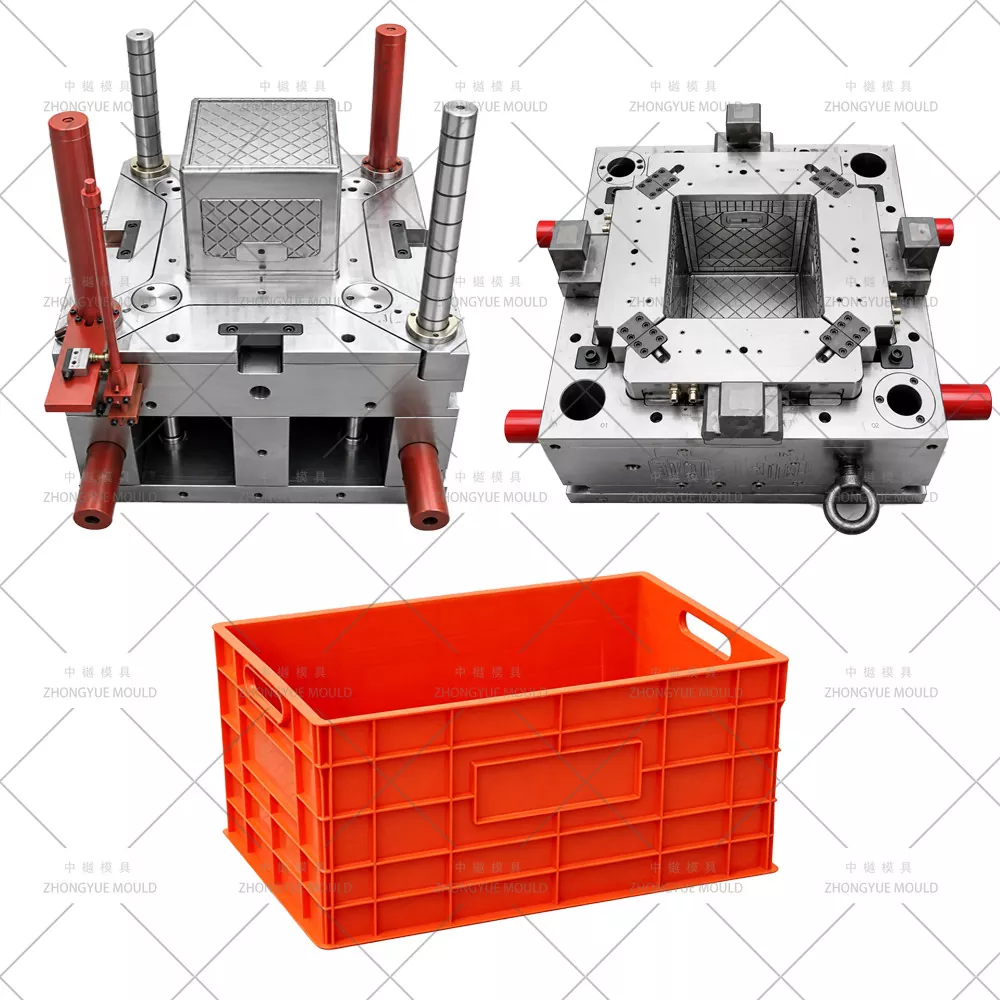
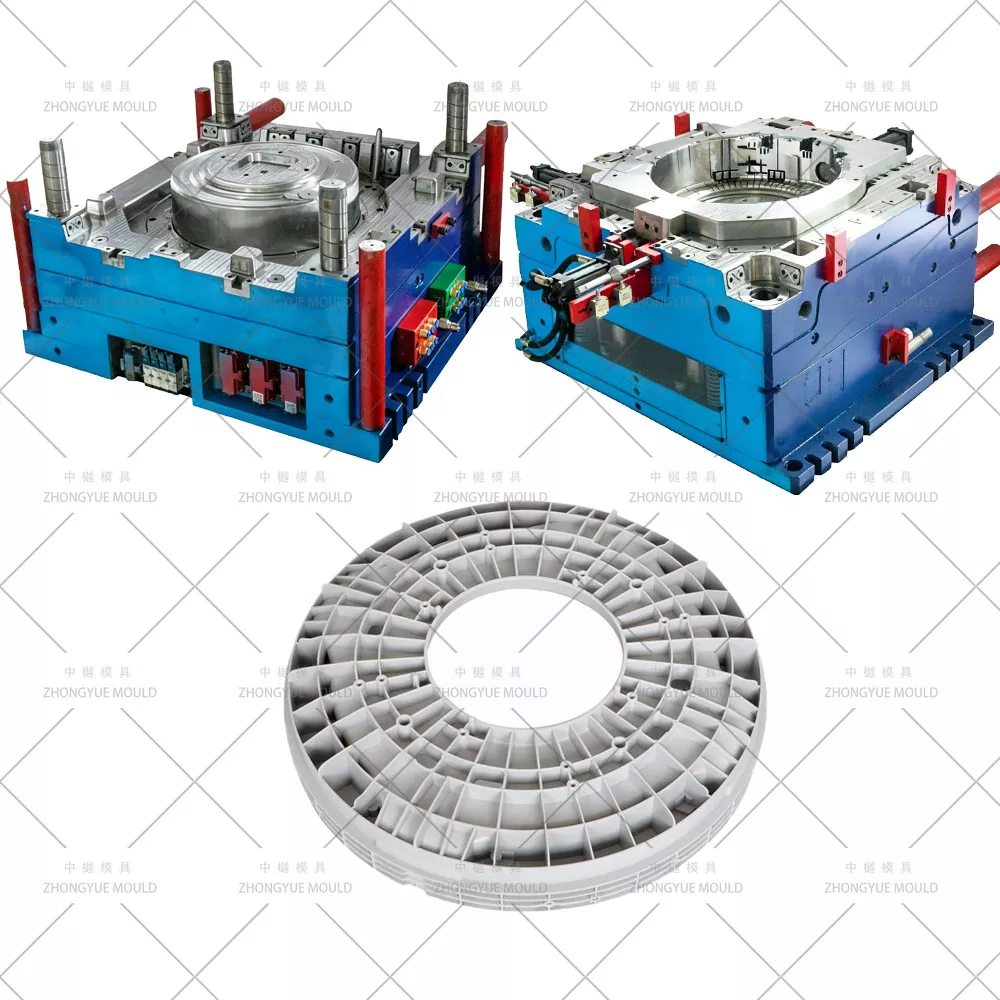
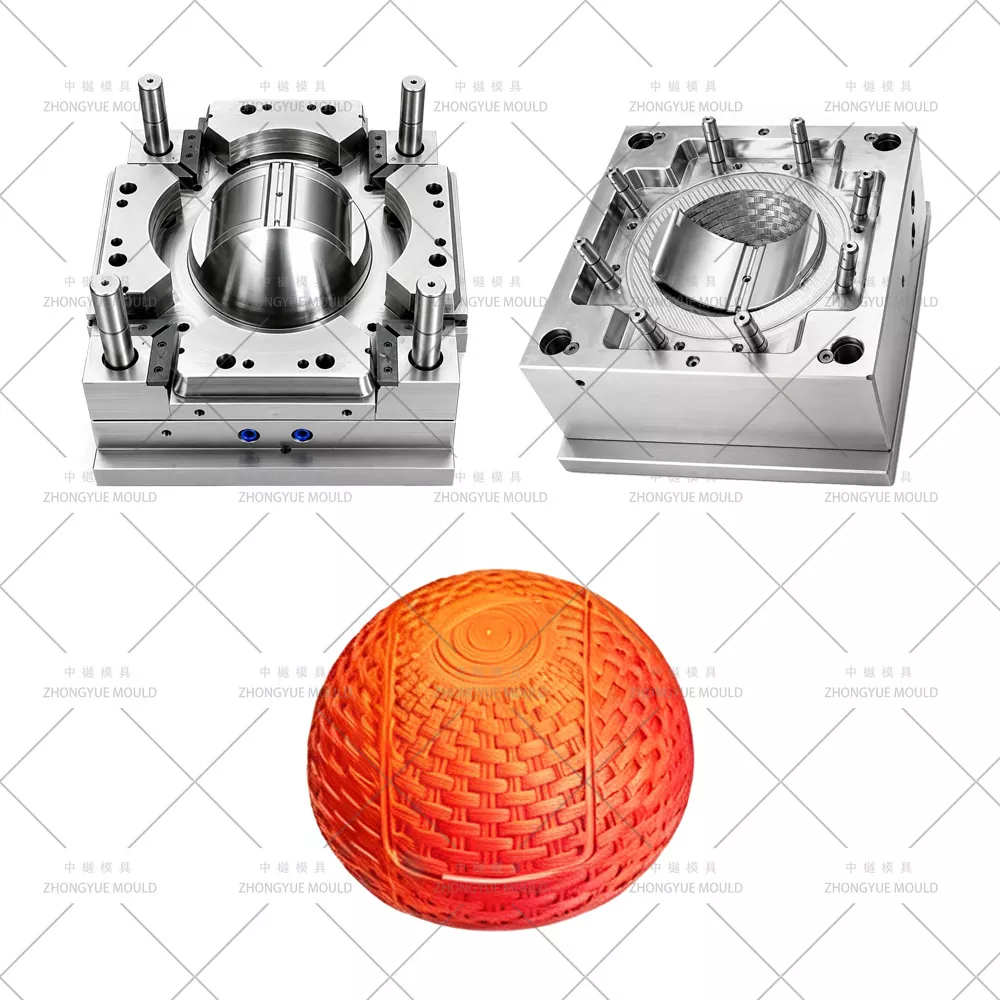
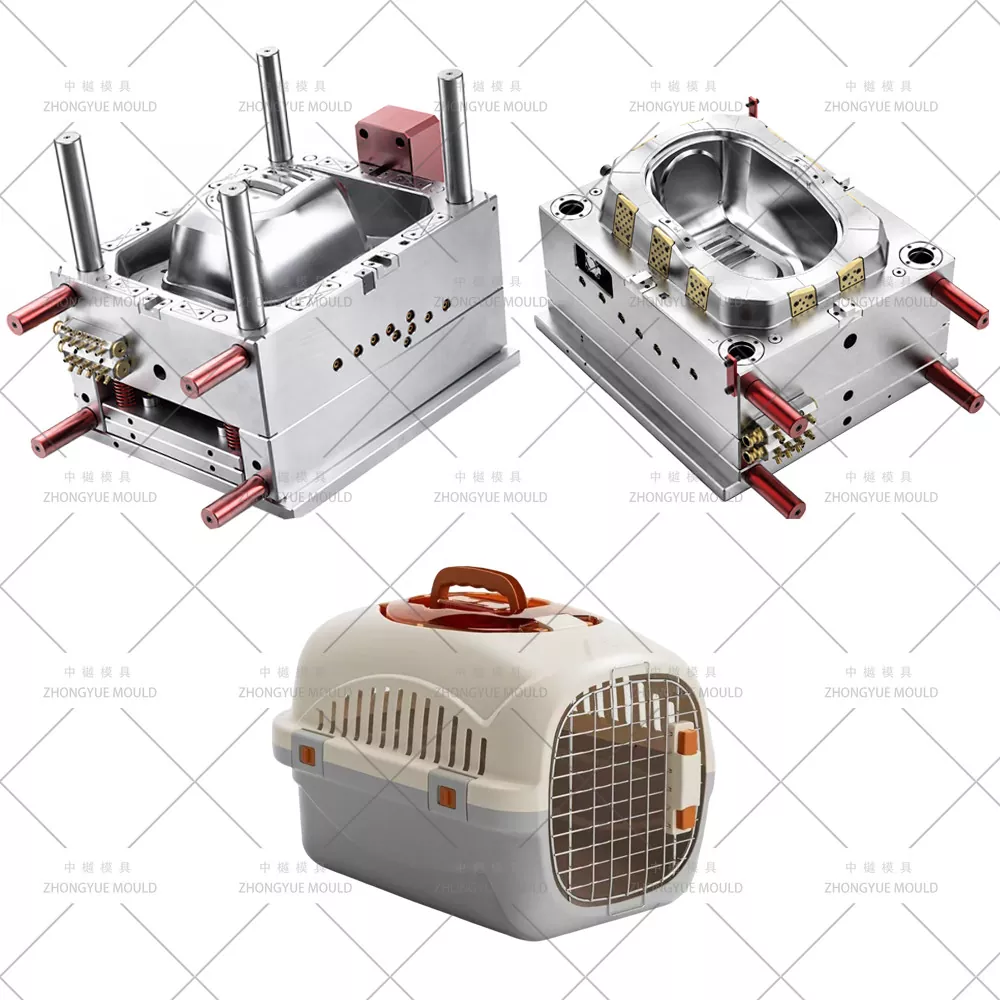
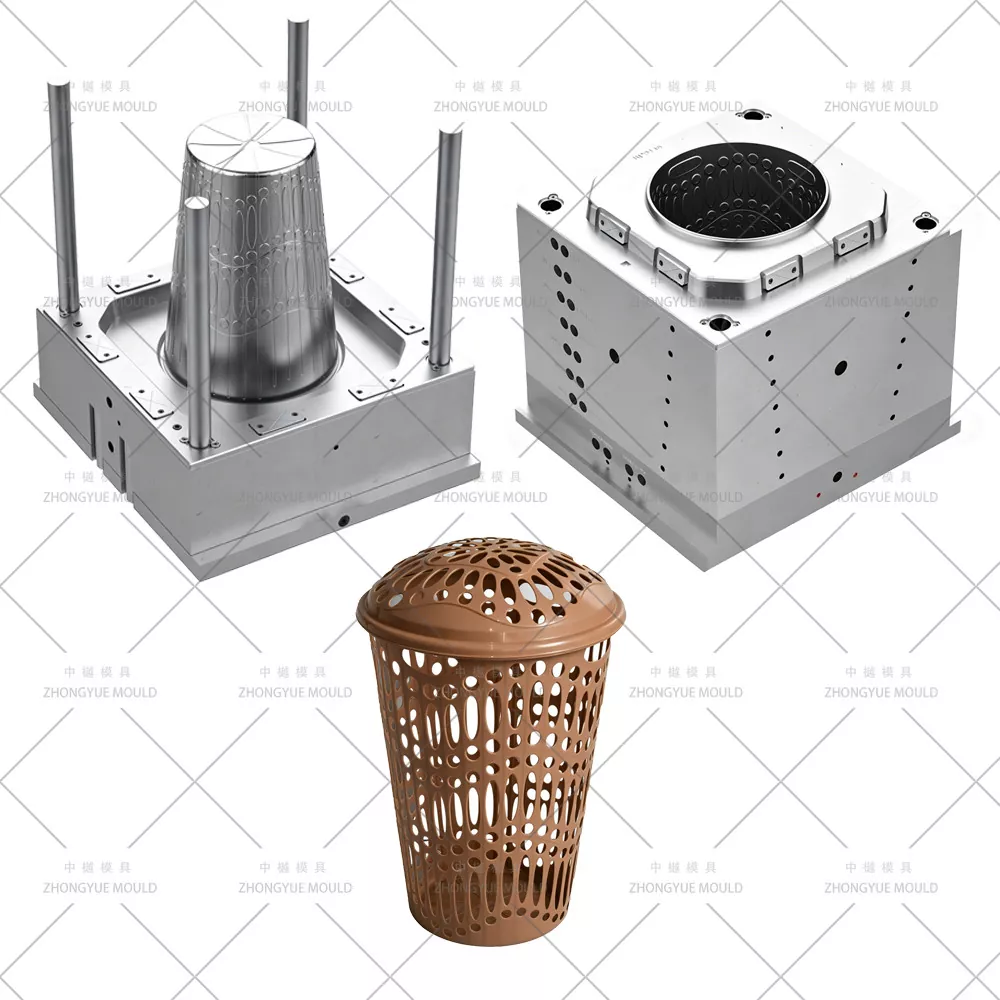
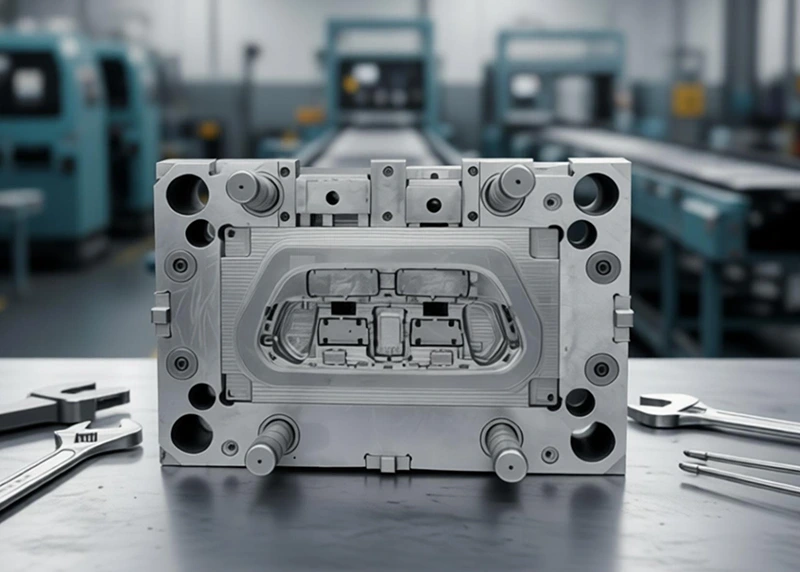
The washing machine industry relies heavily on precision manufacturing to ensure durable, aesthetically appealing, and cost-effective products. One of the most critical components behind successful production is the Washing Machine Mould. A high-quality mould directly affects product consistency, production efficiency, dimensional accuracy, and overall manufacturing costs. Whether producing washing machine tubs, panels, covers, bases, detergent drawers, or other plastic components, manufacturers require reliable mould solutions that can withstand high-volume production while maintaining excellent quality standards.
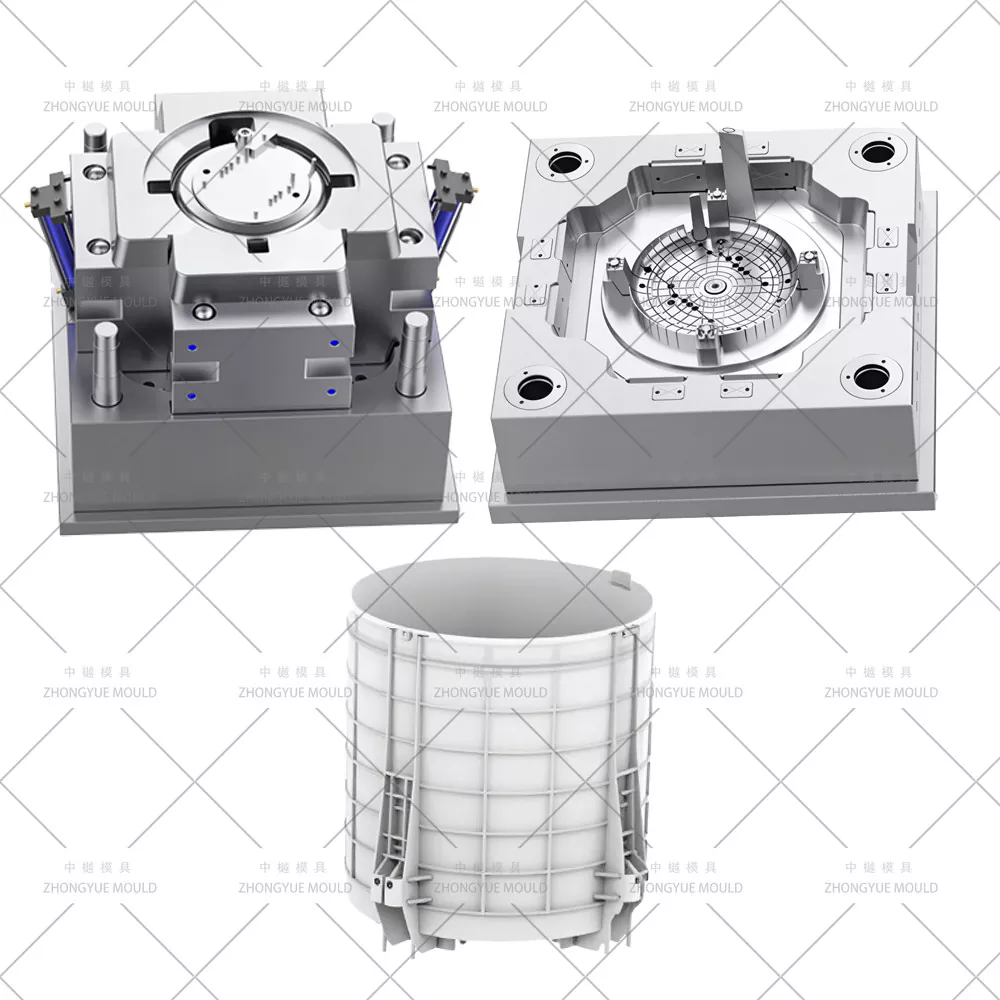
This article explores how a Washing Machine Mould works, why it is essential in appliance manufacturing, the key factors to consider when selecting a mould supplier, and how advanced mould technologies help businesses improve productivity and reduce operational costs.
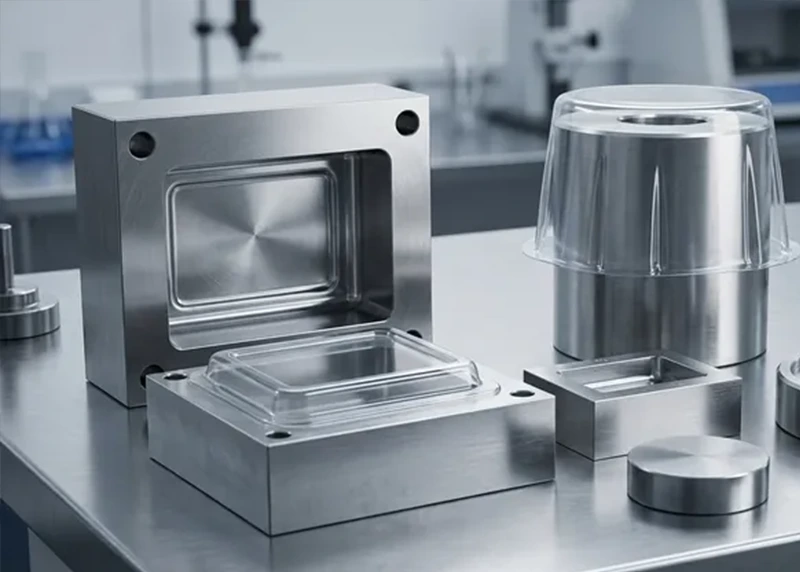
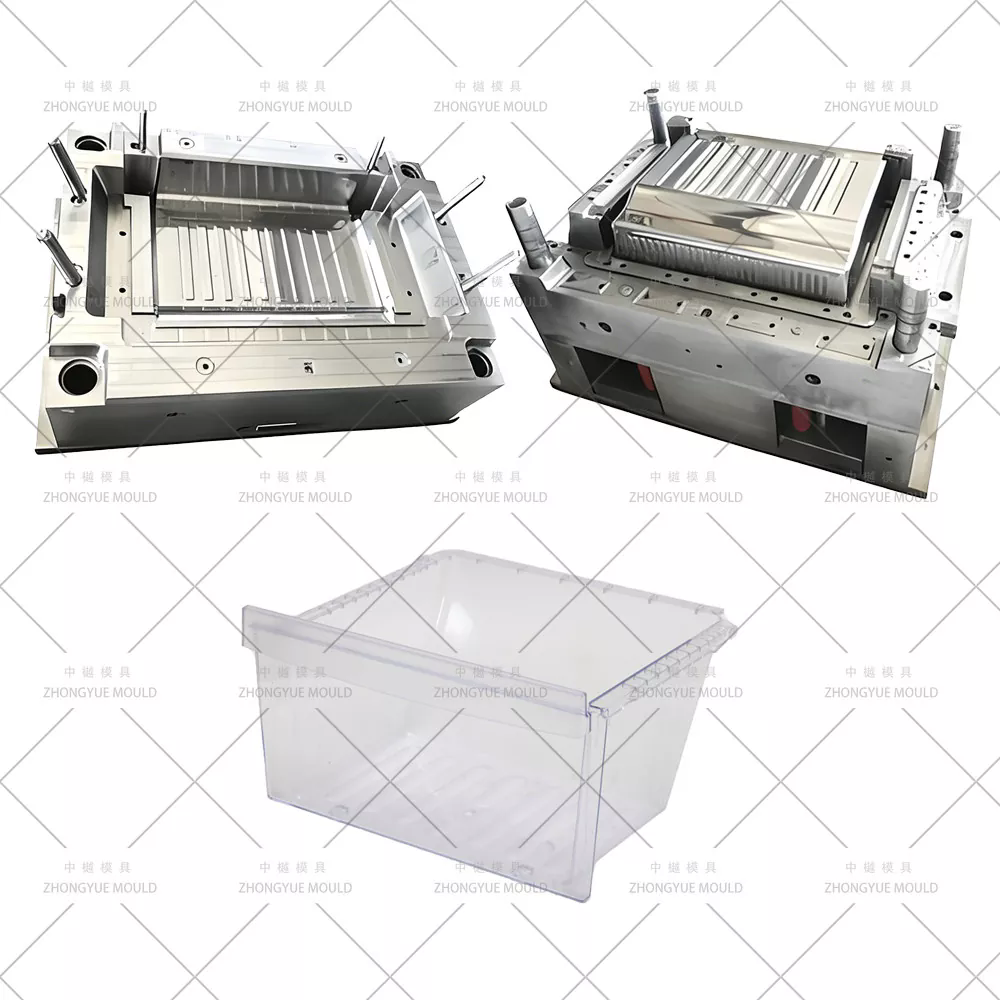
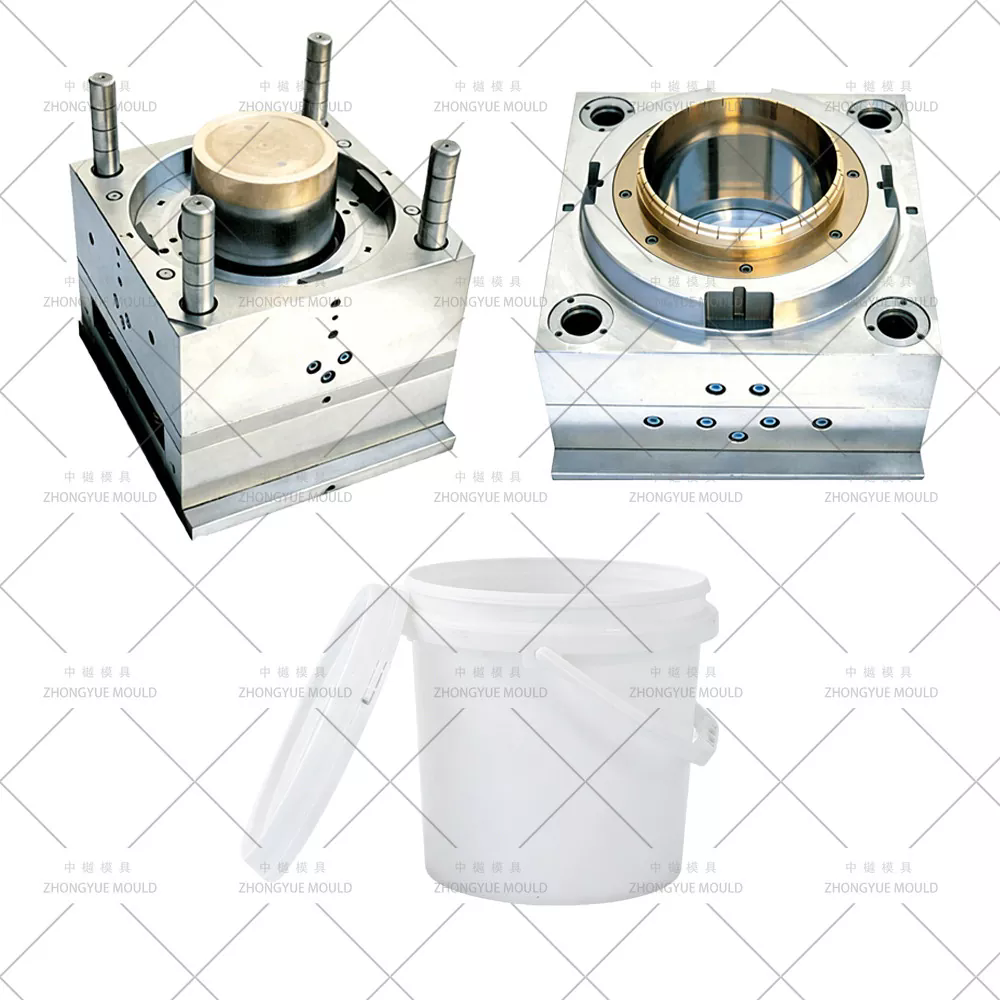
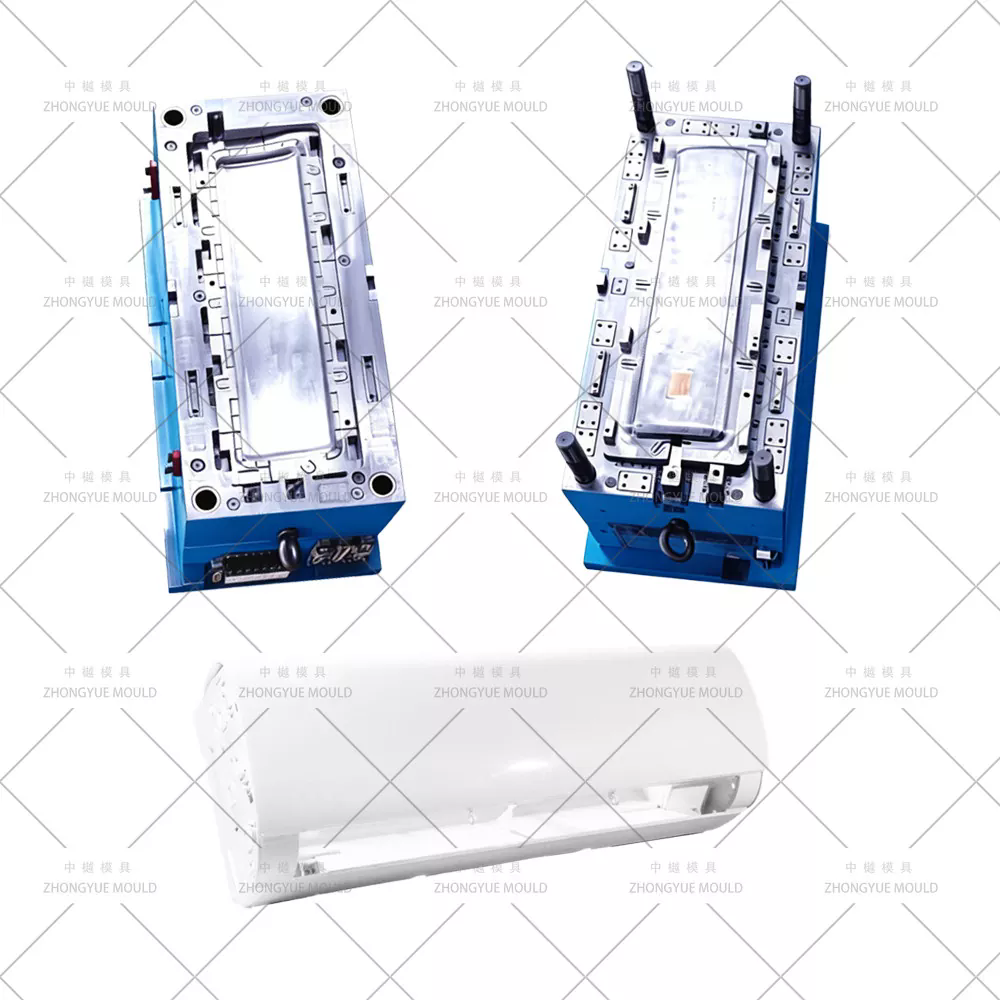
A Washing Machine Mould is a specialized tooling system used in plastic injection molding processes to manufacture various plastic components of washing machines. These moulds are engineered with high precision to ensure that every produced part meets strict dimensional and performance requirements.
Typical components produced using washing machine moulds include:
Since modern washing machines require both functionality and visual appeal, mould accuracy plays a critical role in achieving excellent results.
Manufacturers face increasing pressure to improve production speed while maintaining high product quality. A well-designed mould provides several benefits that directly address these challenges.
Without a precision mould, manufacturers may encounter issues such as warpage, shrinkage, flashing, poor surface finish, and assembly problems that lead to costly production delays.
The injection molding process begins when plastic resin is melted and injected into the mould cavity under controlled pressure and temperature conditions.
The efficiency of this process depends largely on the mould's structural design, cooling channels, venting system, and material selection.
Understanding the structure of a mould helps manufacturers evaluate quality and performance.
| Component | Function |
|---|---|
| Mould Base | Provides structural support and stability. |
| Cavity and Core | Form the shape of the plastic part. |
| Cooling System | Controls temperature and cycle time. |
| Ejection System | Removes finished products safely. |
| Runner System | Guides molten plastic flow. |
| Gate System | Controls material entry into the cavity. |
| Vent System | Allows trapped air to escape. |
Each component must work together precisely to ensure smooth production and long-term reliability.
Investing in premium mould solutions offers significant operational benefits.
| Benefit | Impact on Production |
|---|---|
| High Precision | Improves product consistency and assembly accuracy. |
| Long Service Life | Reduces replacement costs. |
| Fast Cycle Time | Increases production output. |
| Low Defect Rate | Minimizes scrap and rework. |
| Excellent Surface Finish | Enhances product appearance. |
| Stable Production | Reduces unexpected downtime. |
For manufacturers producing thousands of washing machine parts daily, these advantages translate into substantial cost savings and stronger market competitiveness.
Modern washing machines contain numerous injection-molded plastic components. Specialized moulds are developed to meet different structural and aesthetic requirements.
Each application requires customized engineering to achieve optimal performance and production efficiency.
Selecting the right mould partner is one of the most important decisions for appliance manufacturers.
When evaluating suppliers, consider the following factors:
A professional supplier should not only provide tooling but also offer engineering solutions that help customers optimize production and reduce manufacturing costs.
Taizhou Zhongyue Mould Co.,Ltd. specializes in developing high-performance washing machine mould solutions for global appliance manufacturers. Through advanced design methodologies and precision manufacturing processes, the company delivers moulds engineered for durability, accuracy, and efficient mass production.
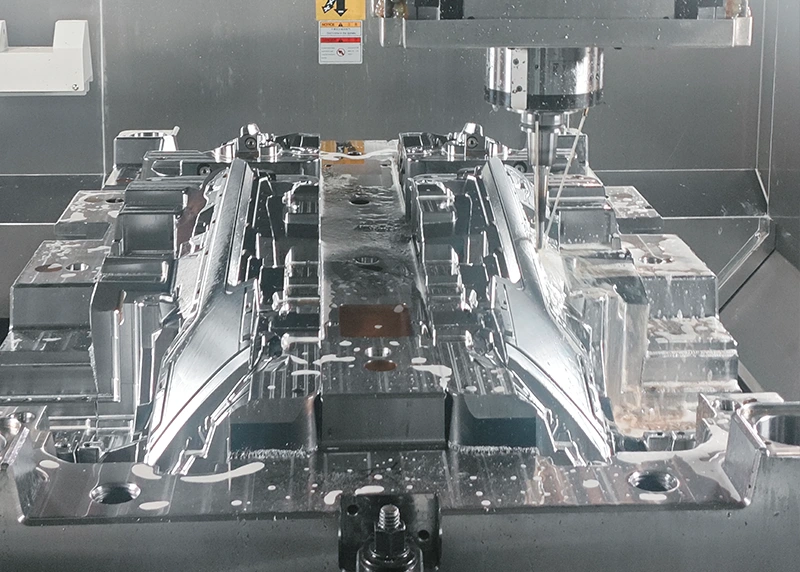
Technology plays an increasingly important role in mould development. Modern manufacturing facilities utilize advanced tools and systems to enhance precision and reliability.
These technologies help reduce development cycles while improving mould performance and production stability.
Even the highest-quality moulds require regular maintenance to achieve maximum lifespan.
Proper maintenance reduces unexpected downtime and preserves production accuracy over the long term.
| Factor | Quality Mould | Low-Quality Mould |
|---|---|---|
| Dimensional Accuracy | Excellent | Inconsistent |
| Cycle Time | Short | Long |
| Product Defects | Minimal | Frequent |
| Tool Life | Long-Term | Short-Term |
| Maintenance Cost | Lower | Higher |
| Production Stability | Reliable | Unstable |
Although premium moulds may require a higher initial investment, they often deliver a significantly lower total cost of ownership throughout their service life.
Q1: What materials are commonly used for washing machine moulds?
High-grade tool steels such as P20, H13, 718, and S136 are commonly used because of their durability, wear resistance, and machining performance.
Q2: How long does a washing machine mould typically last?
Depending on material quality, maintenance practices, and production volume, a mould can often support hundreds of thousands or even millions of production cycles.
Q3: Can a mould be customized for specific washing machine designs?
Yes. Most manufacturers require customized mould solutions tailored to their product specifications, dimensions, and production requirements.
Q4: What factors affect mould cost?
Cost is influenced by product complexity, mould size, steel material, cavity quantity, hot runner systems, and required production volume.
Q5: Why is cooling system design important?
An efficient cooling system reduces cycle time, improves dimensional stability, and enhances overall production efficiency.
A high-performance Washing Machine Mould is far more than a production tool—it is a strategic investment that directly impacts product quality, manufacturing efficiency, operational costs, and customer satisfaction. Precision engineering, advanced manufacturing technologies, and proper maintenance all contribute to achieving consistent and reliable production results.
As global competition continues to increase, manufacturers need mould partners capable of delivering durable, efficient, and customized tooling solutions. Taizhou Zhongyue Mould Co.,Ltd. is committed to providing professional washing machine mould solutions designed to support high-volume production, superior product quality, and long-term business growth.
Looking for a reliable and experienced washing machine mould manufacturer? Partner with Taizhou Zhongyue Mould Co.,Ltd. to receive customized mould solutions tailored to your production needs. Our engineering team is ready to help you improve efficiency, reduce manufacturing costs, and achieve outstanding product quality.
Contact us today to discuss your next washing machine mould project and discover how our expertise can help your business gain a competitive advantage in the appliance manufacturing industry.