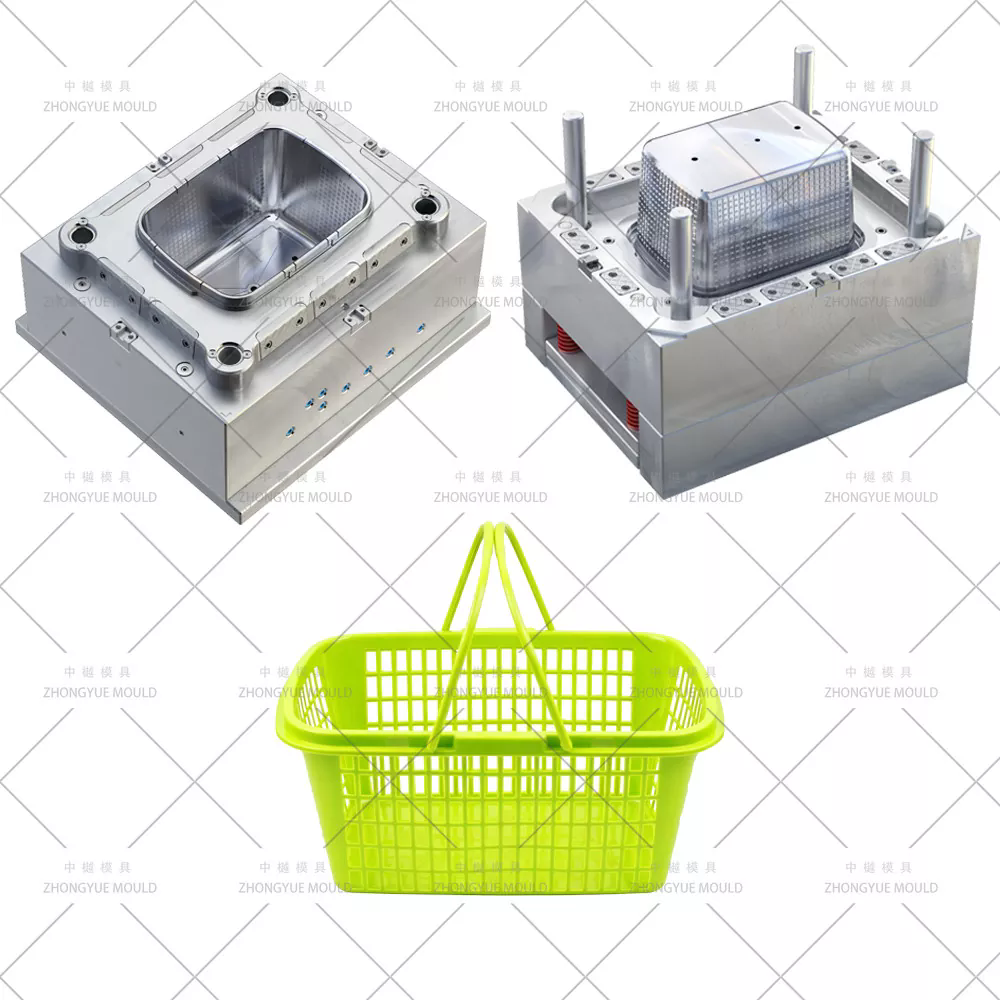
What Is Injection Molding? Process, Machines, and Applications
Injection molding is one of the most widely used manufacturing processes for producing plastic parts in large volumes. From automotive components to household appliances, this method enables fast, repeatable, and high-precision production.
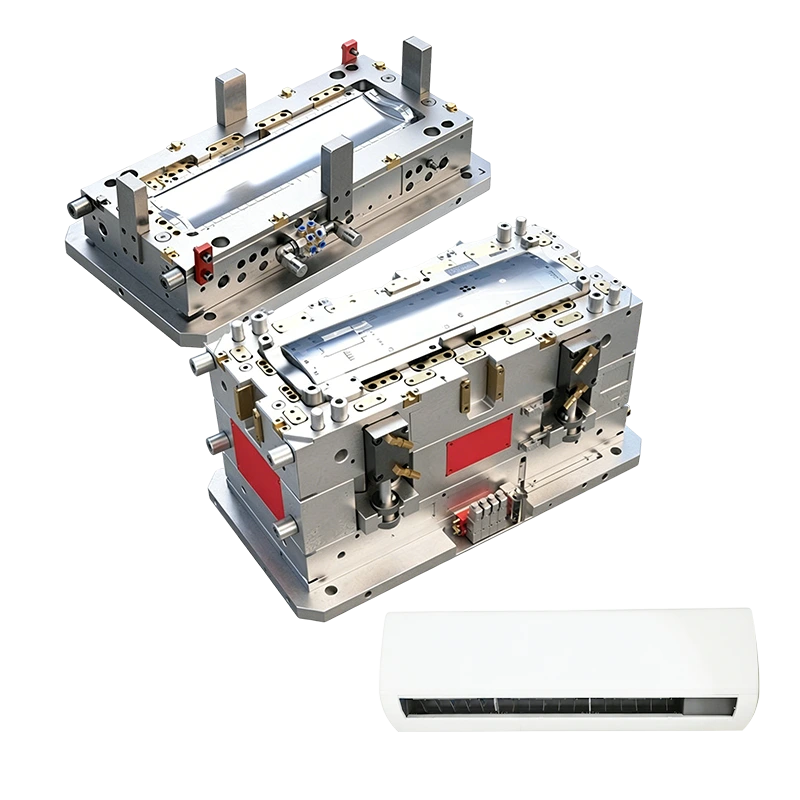
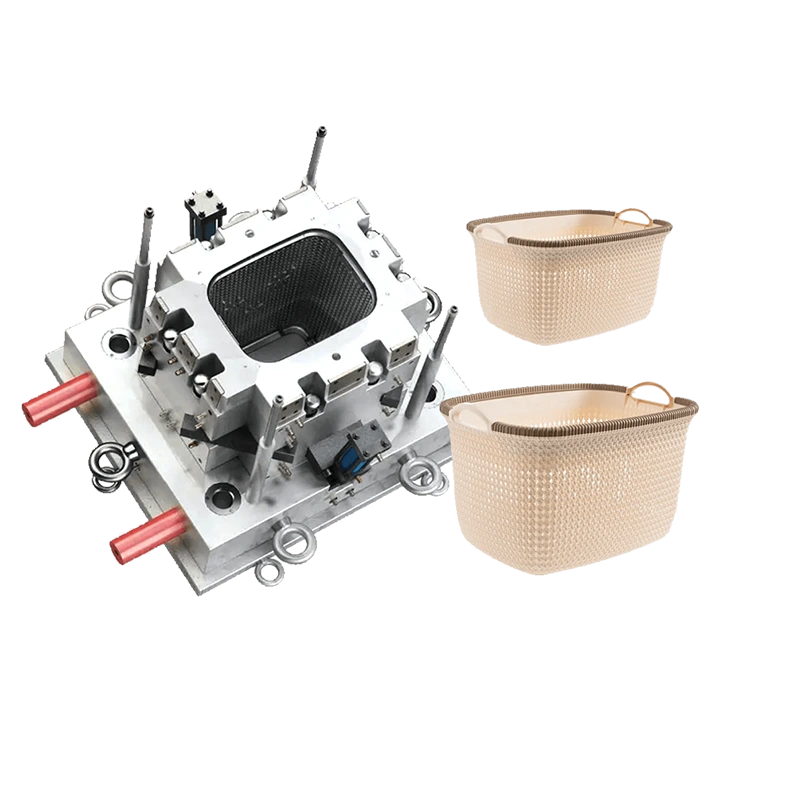
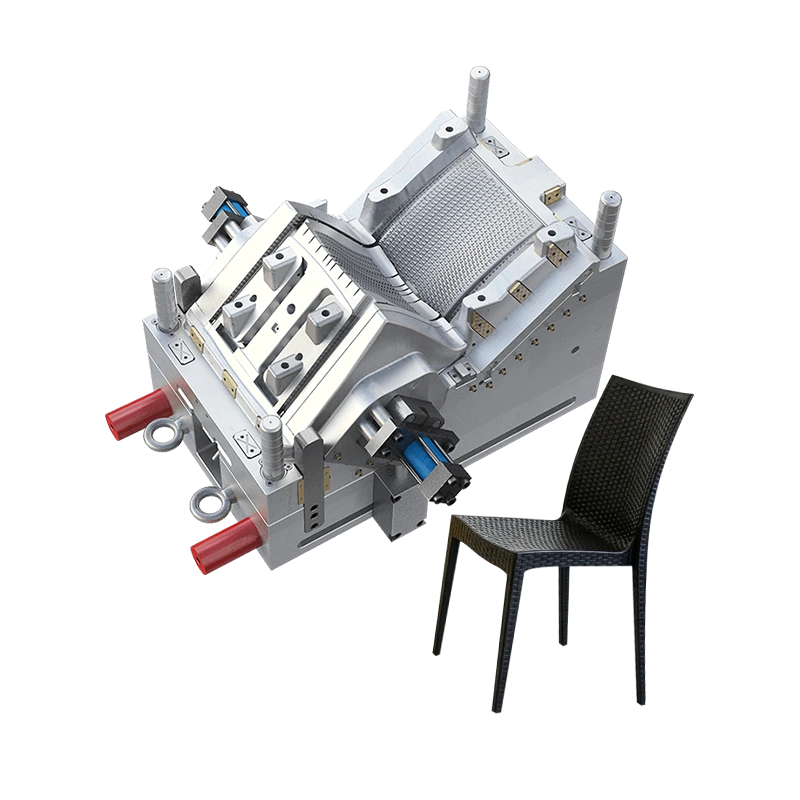
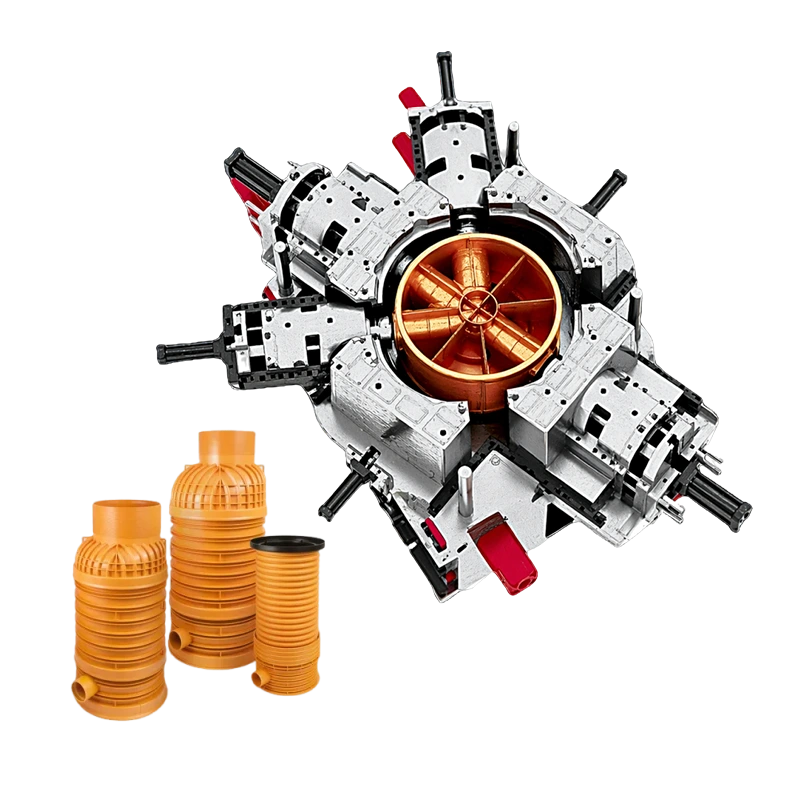
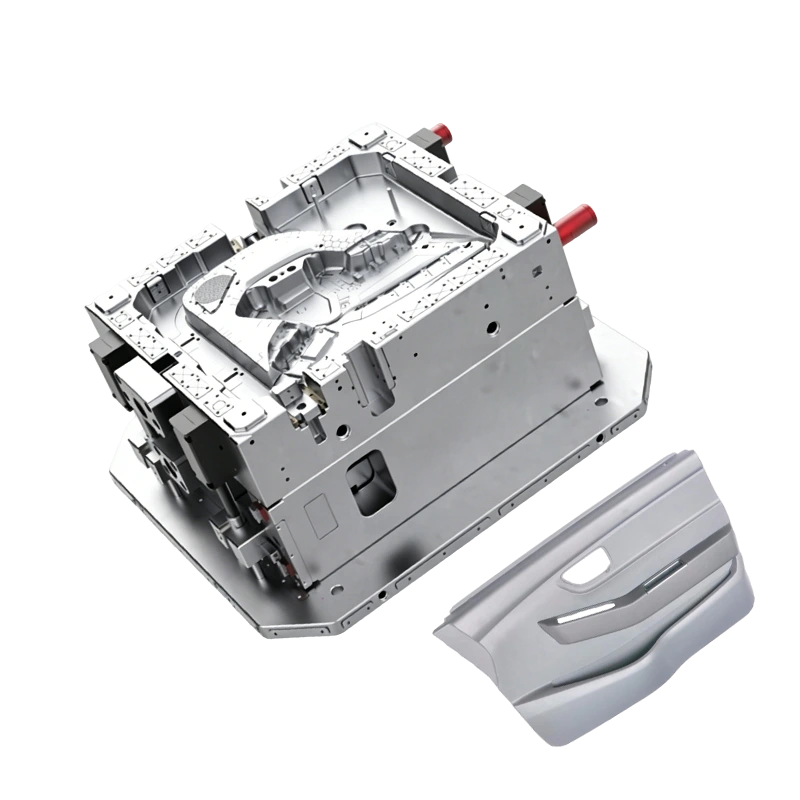
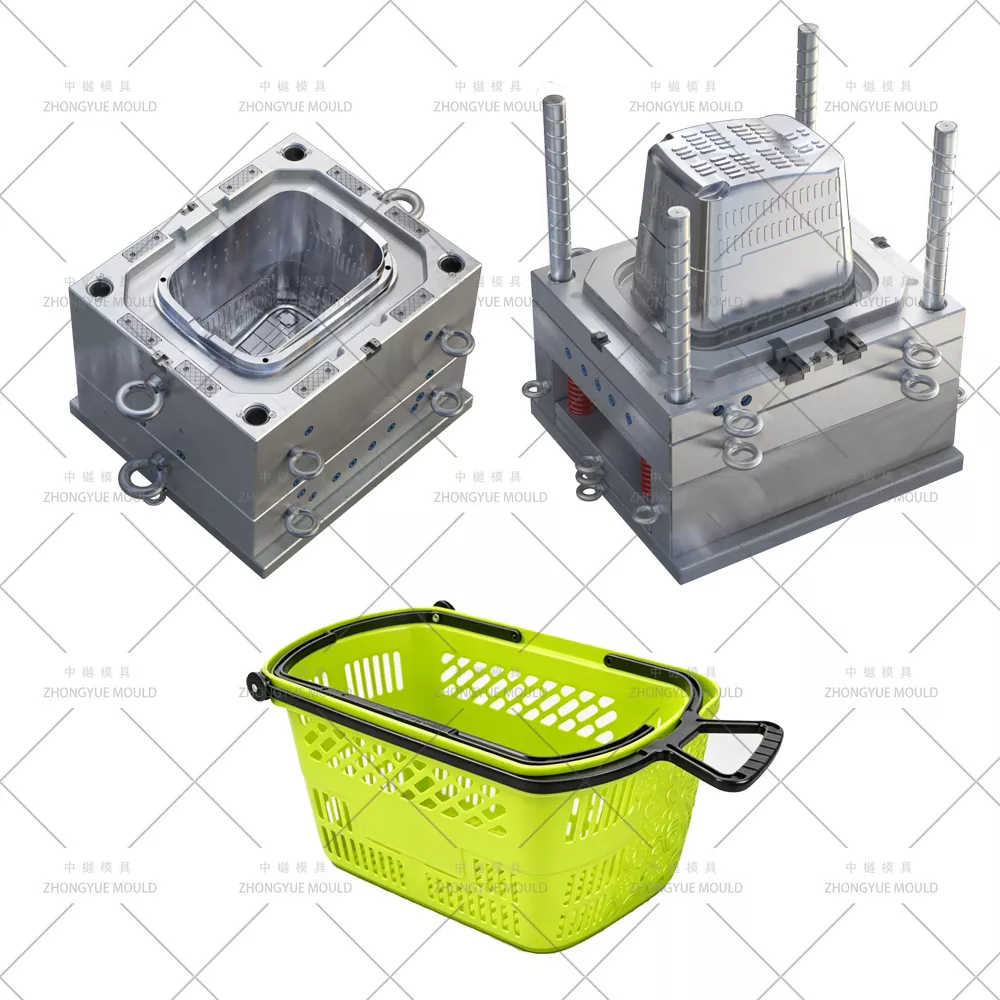
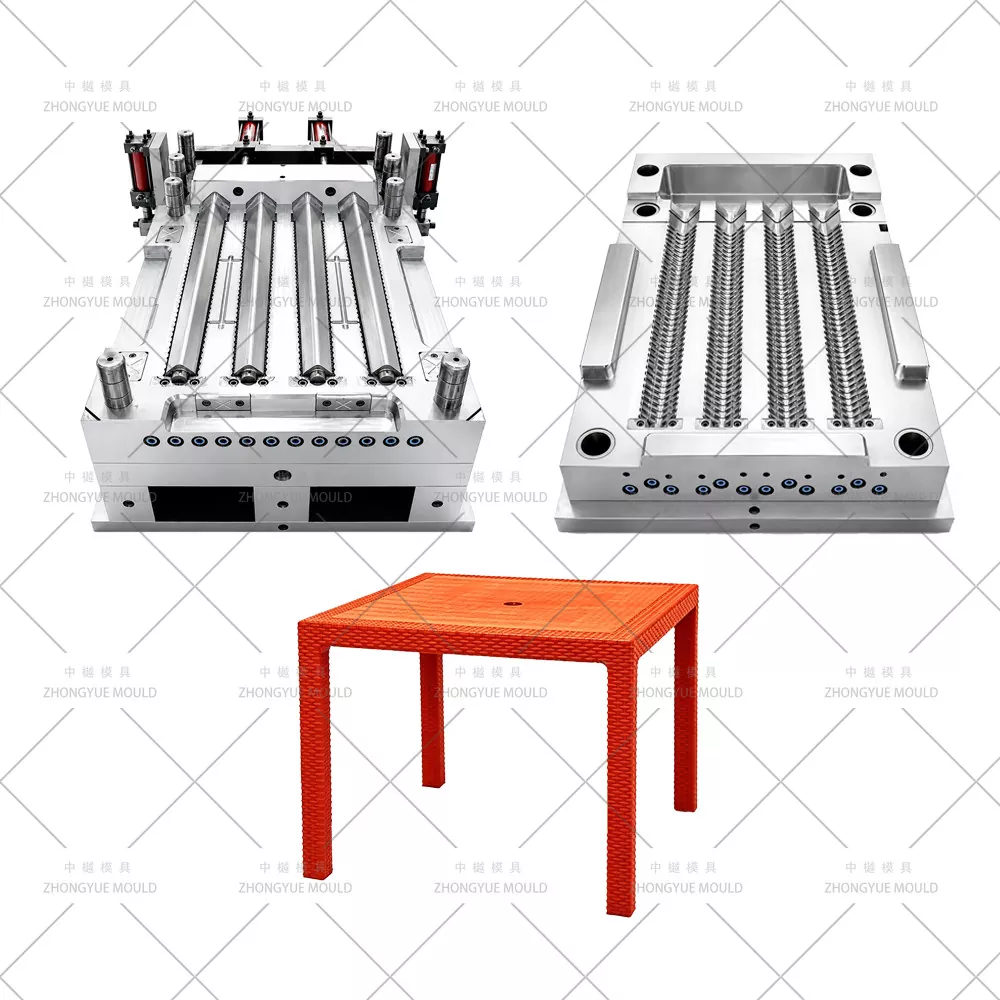
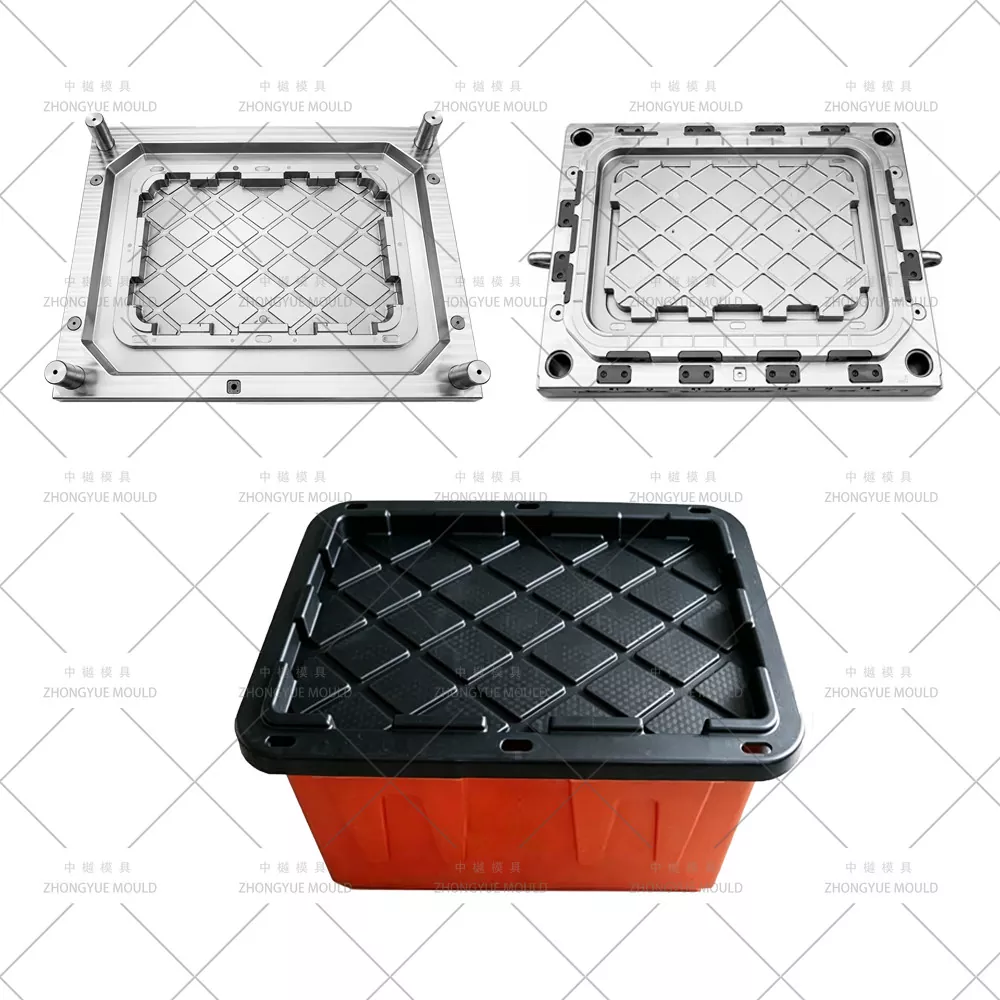
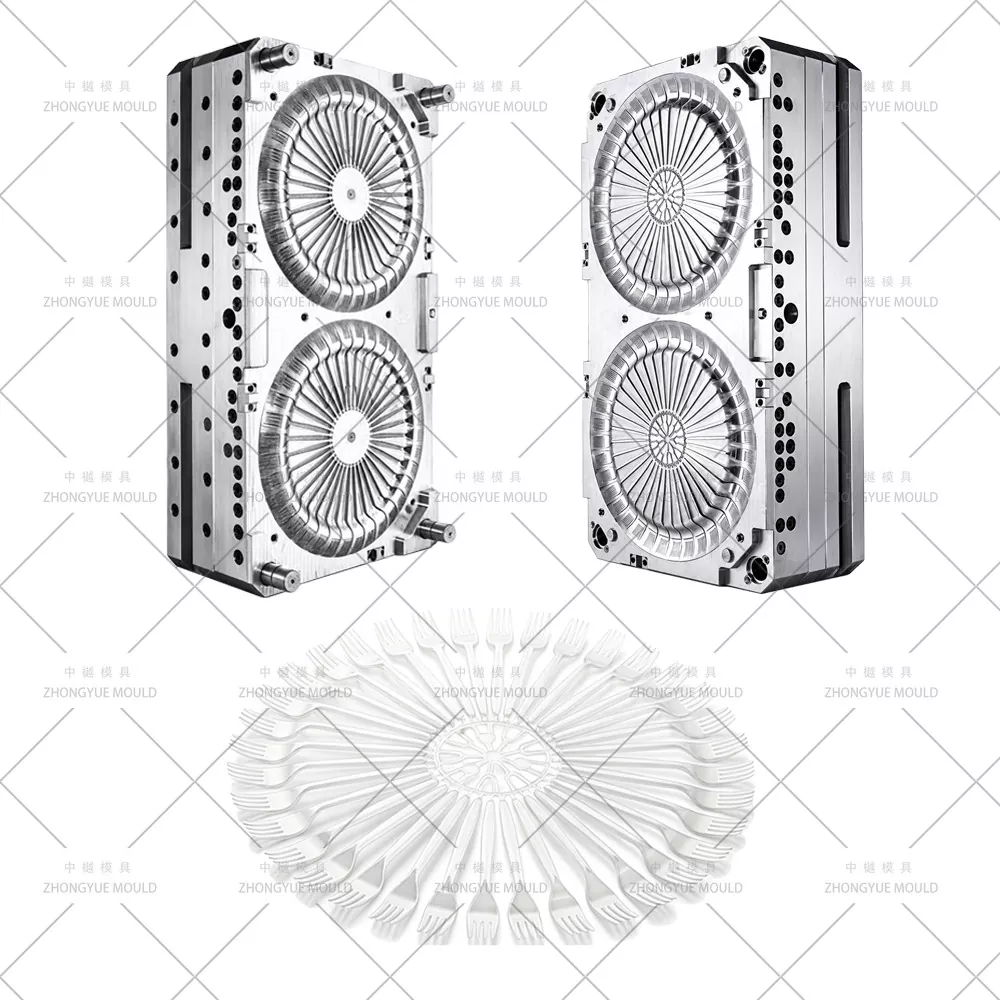
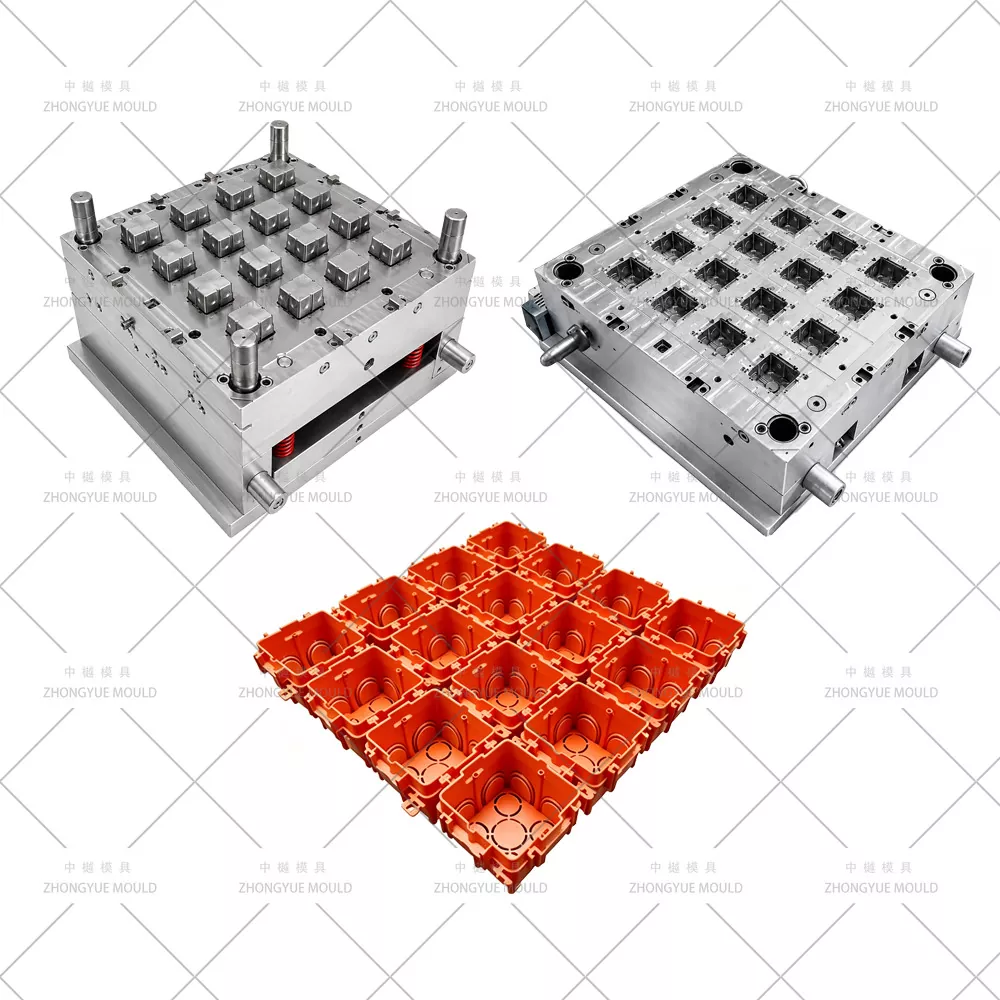
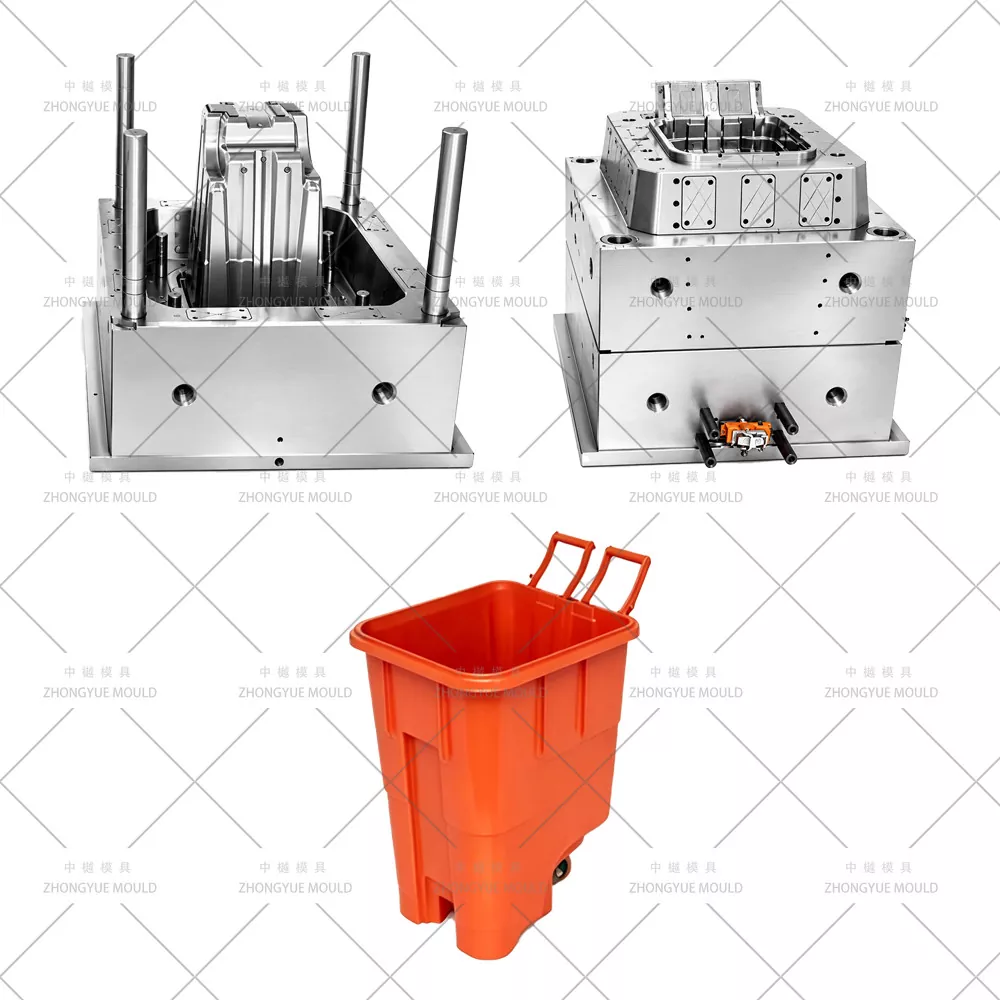
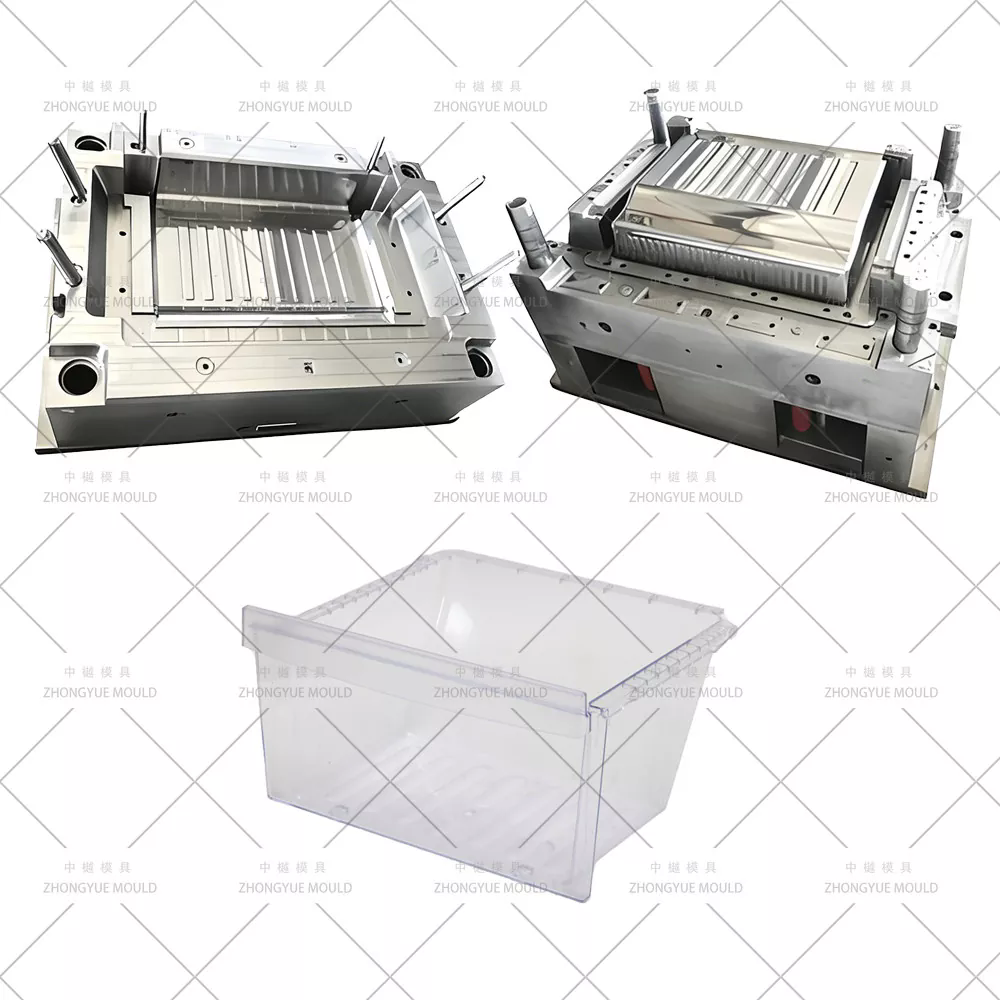
At Zhongyue Mould, we specialize in custom injection molds designed for industries including home appliances, automotive, furniture, logistics, and more. In this article, we explain what injection molding is, how it works, and why it matters for your next project.
1. Definition and Key Features
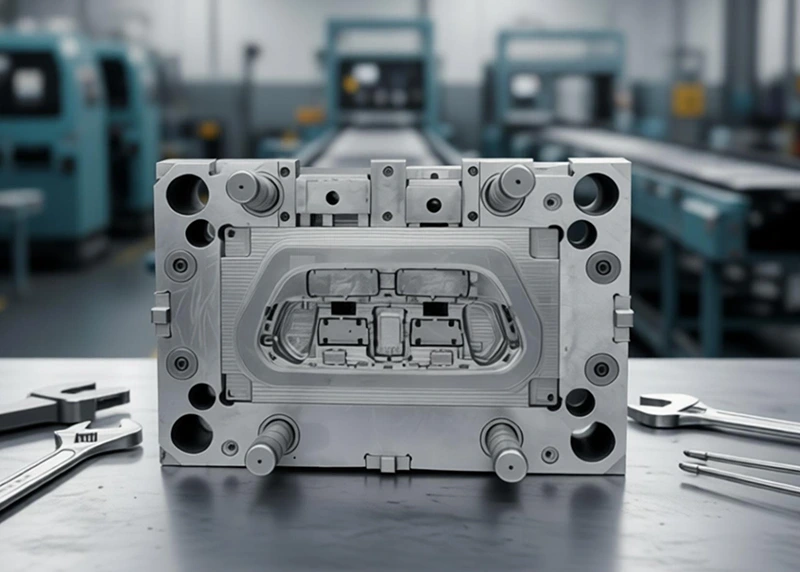
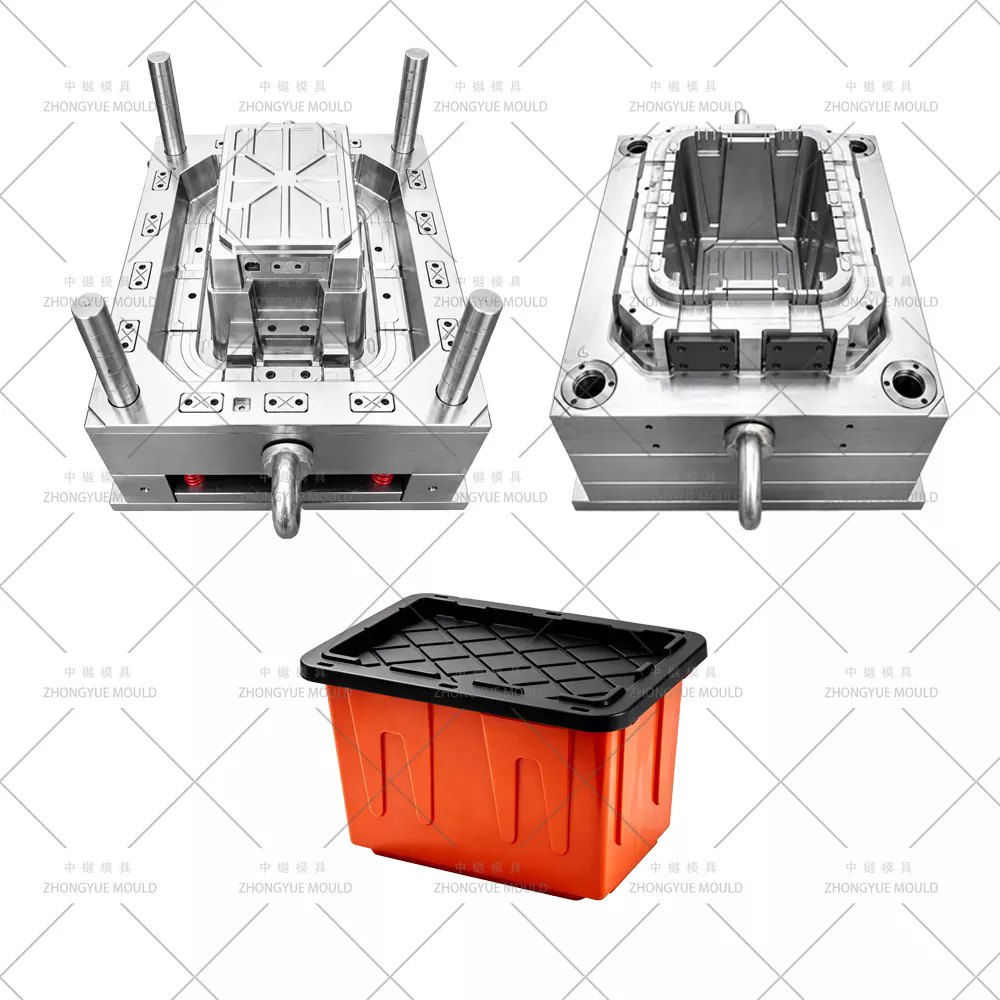
Injection molding is a forming process that uses a mold to shape molten material — typically thermoplastic or thermosetting polymers — into a desired geometry.
The name comes from its similarity to a medical syringe: melted plastic is "injected" under high pressure into a closed metal mold, where it cools and solidifies.
Key characteristics:
Suitable for mass production of identical parts
Capable of producing complex geometries with tight tolerances
Fast cycle times, often ranging from 15 to 60 seconds per shot
Compatible with hundreds of resin materials, including ABS, PP, PC, Nylon, and more
This combination of speed, precision, and scalability makes injection molding a preferred choice across many industries.
2. Injection Molding Machine Structure
An injection molding machine consists of two main units:
Injection Unit: Melts and injects the plastic material into the mold.
Clamping Unit: Holds the mold closed during injection and opens it for part ejection.
Types of injection molding machines:
Type
Drive Mechanism
Typical Application
Hydraulic
Hydraulic motor
General-purpose, low-cost molding
Electric
Servo motor
High precision, energy saving
Hybrid
Servo + hydraulic
Balance of performance and cost
Modern machines increasingly use CNC control systems, enabling precise temperature, pressure, and speed adjustments throughout the cycle.
Basic components of an injection molding machine:
Component
Function
Hopper
Feeds plastic granules into the barrel
Barrel (Cylinder)
Heats and melts the material
Screw / Plunger
Pushes molten plastic toward the nozzle
Nozzle
Injects melt into the mold
Mold (Die)
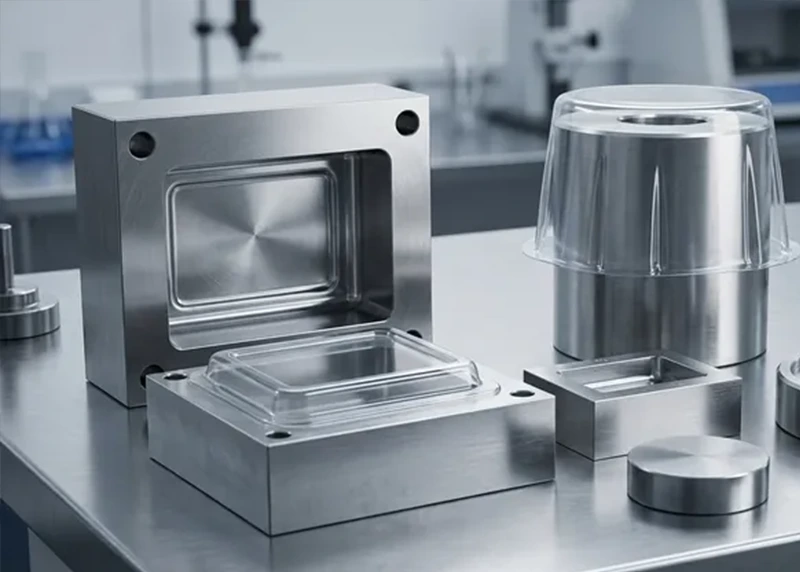
Shapes the molten plastic into the final part
Ejector pins
Push the cooled part out of the mold
3. The Injection Molding Process Step by Step
Here is the typical injection molding cycle:
Material Feeding – Plastic granules are loaded into the hopper.
Melting – The granules travel through a heated barrel, melting into a viscous liquid.
Injection – The screw pushes the melt through the nozzle and into the mold cavity via the sprue, runners, and gates.
Cooling – The plastic solidifies inside the mold. Cooling time depends on wall thickness and material type.
Mold Opening & Ejection – The clamping unit opens the mold, and ejector pins push the finished part out.
Post-processing – Runners and gates are trimmed off; secondary operations like surface finishing or assembly may follow.
💡 For multi-cavity molds, balanced runner design is essential to ensure all cavities fill evenly.
4. Why Material and Mold Design Matter
To achieve consistent quality in injection molding, three factors must be carefully controlled:
Resin selection – Each material has different shrinkage rates, flow properties, and thermal requirements.
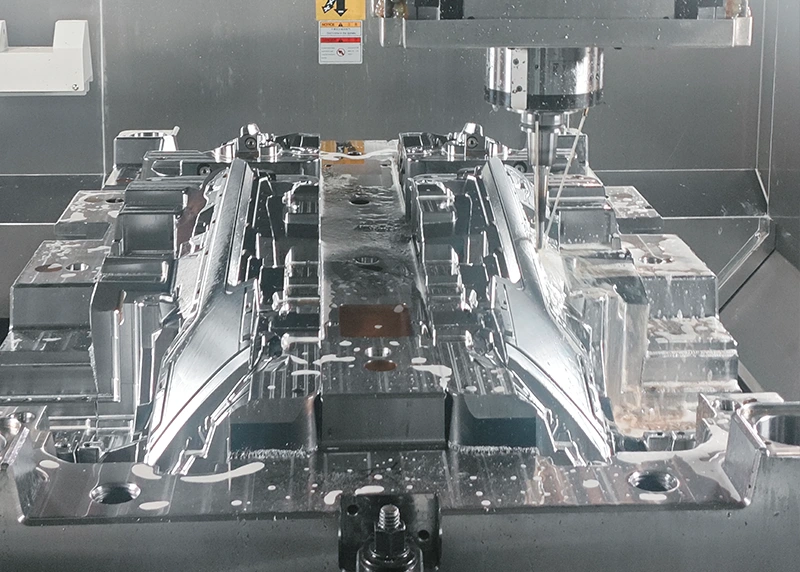
Mold precision – Tolerances as tight as ±0.01 mm can be achieved with well-designed tooling.
Process parameters – Melt temperature, injection speed, holding pressure, and cooling time all affect final part quality.
At Zhongyue Mould, we engineer every mold to meet these requirements, using premium steel grades such as 718H, P20, and S136, and offering mold life ratings from 300,000 to over 1,000,000 shots.
5. Common Applications of Injection Molding
Injection molding is used across virtually every industry that requires plastic parts:
Syringe barrels, IV connectors, diagnostic device casings
Consumer Goods
Bottle caps, toothbrush handles, toy parts
Conclusion
Injection molding remains the backbone of modern plastic manufacturing. Whether you need a simple prototype mold or high-volume production tooling, understanding the fundamentals helps you make better sourcing decisions.
Looking for a reliable injection mold manufacturer in China?
👉Contact Zhongyue Mould today for a free quotation. We support OEM/ODM projects with full mold design, DFM analysis, and trial-run support.
We use cookies to offer you a better browsing experience, analyze site traffic and personalize content. By using this site, you agree to our use of cookies. Privacy Policy