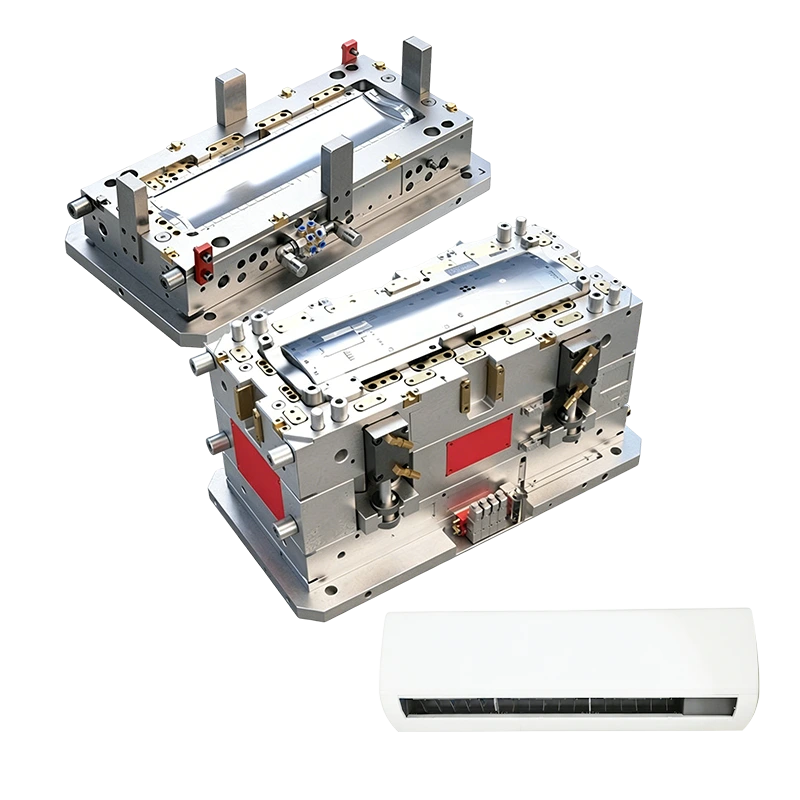
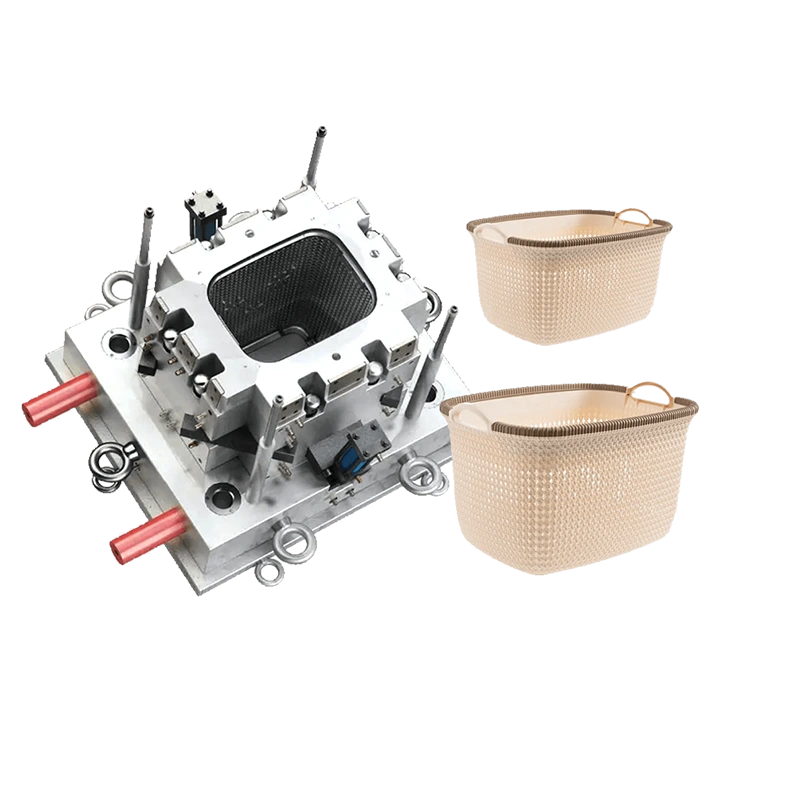
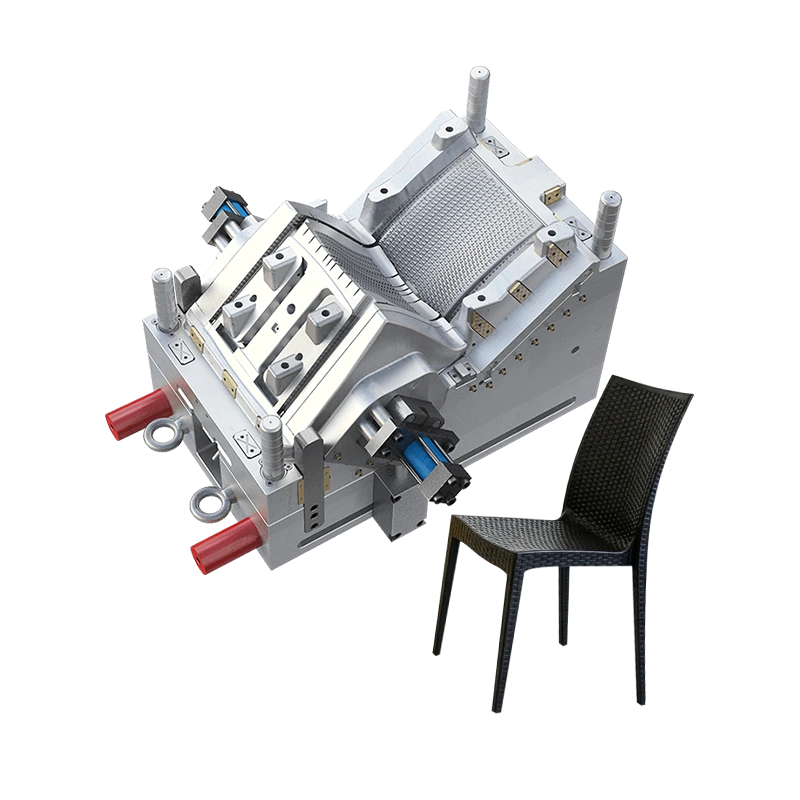
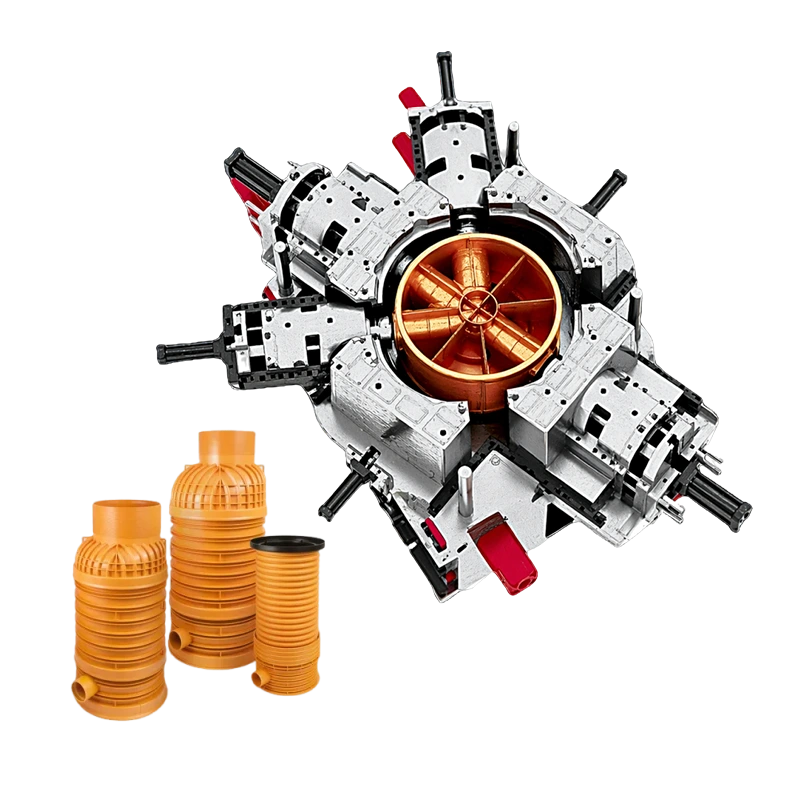
Article Summary: A refrigerator mould is a critical tool for producing accurate, durable, and visually consistent plastic components used in modern refrigeration appliances. From door liners and drawers to trays, frames, cabinets, and other interior parts, mould design directly affects dimensional stability, surface quality, assembly accuracy, cycle time, and long-term production costs. This article explains how a well-engineered Refrigerator Mould works, what manufacturers should consider before ordering one, how common production problems can be prevented, and how ZHONGYUE approaches customized mould solutions for demanding refrigerator applications.
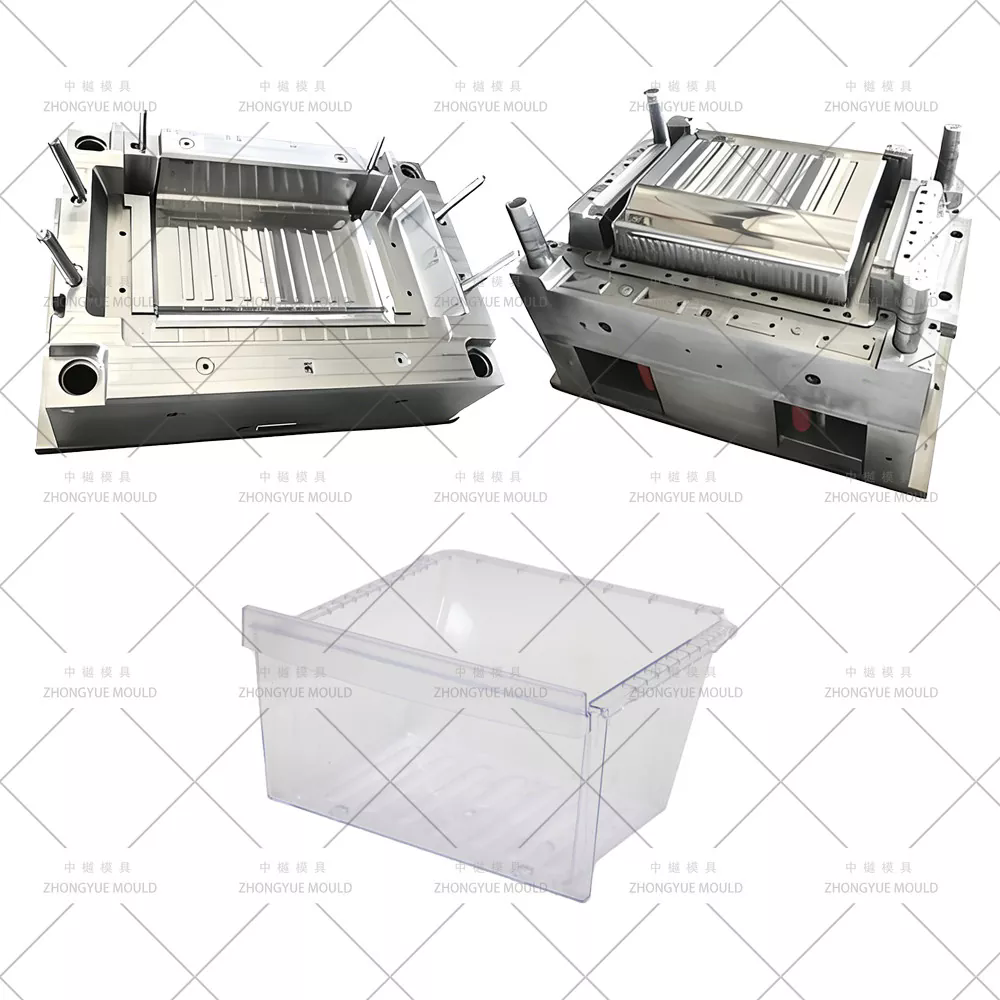
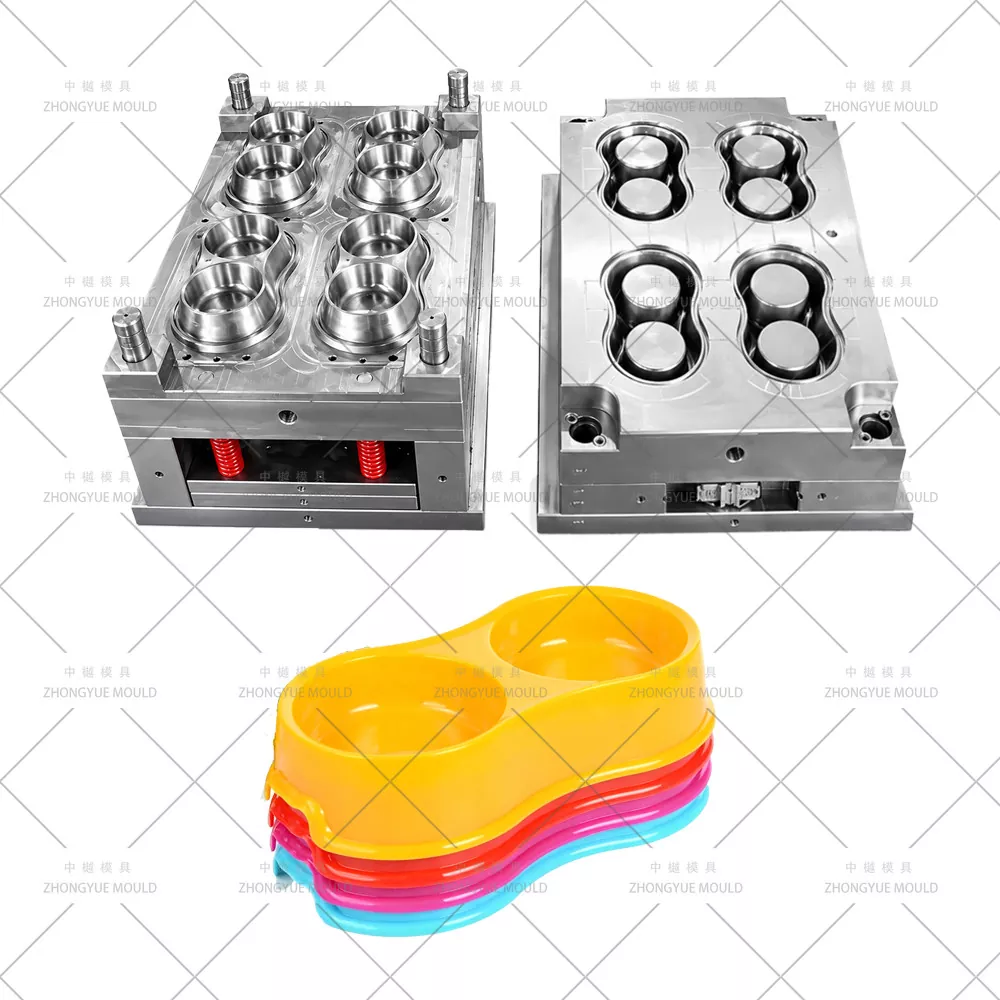
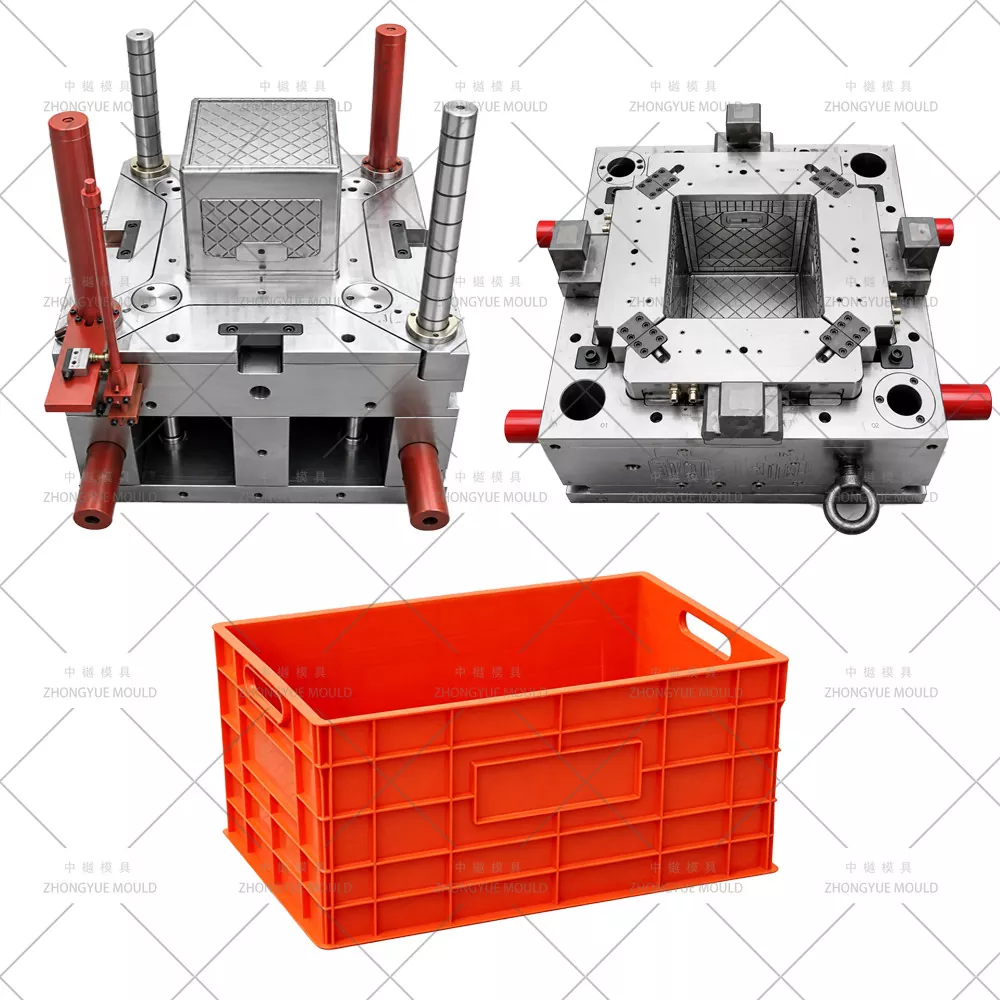
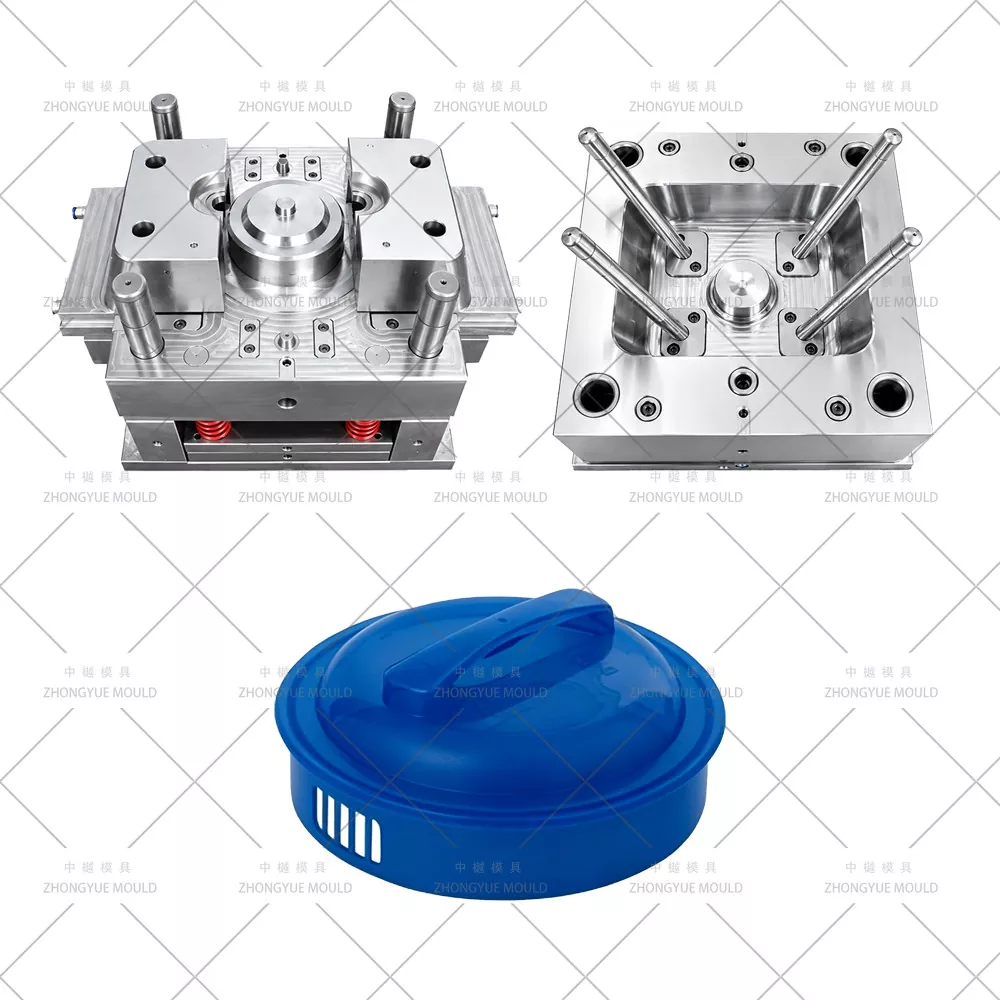
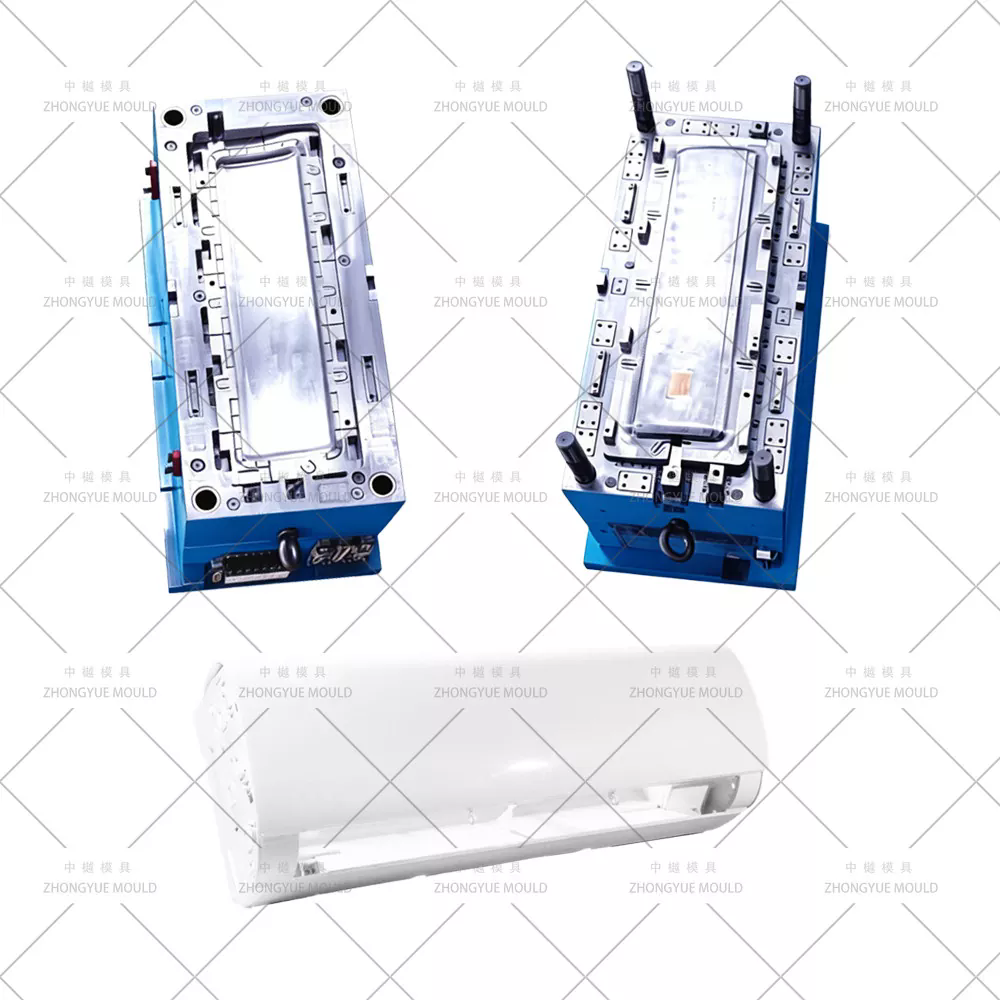
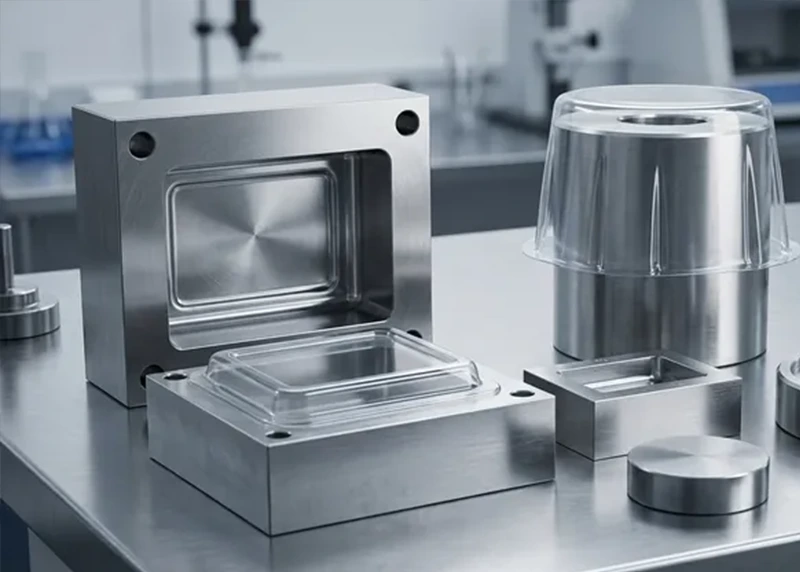
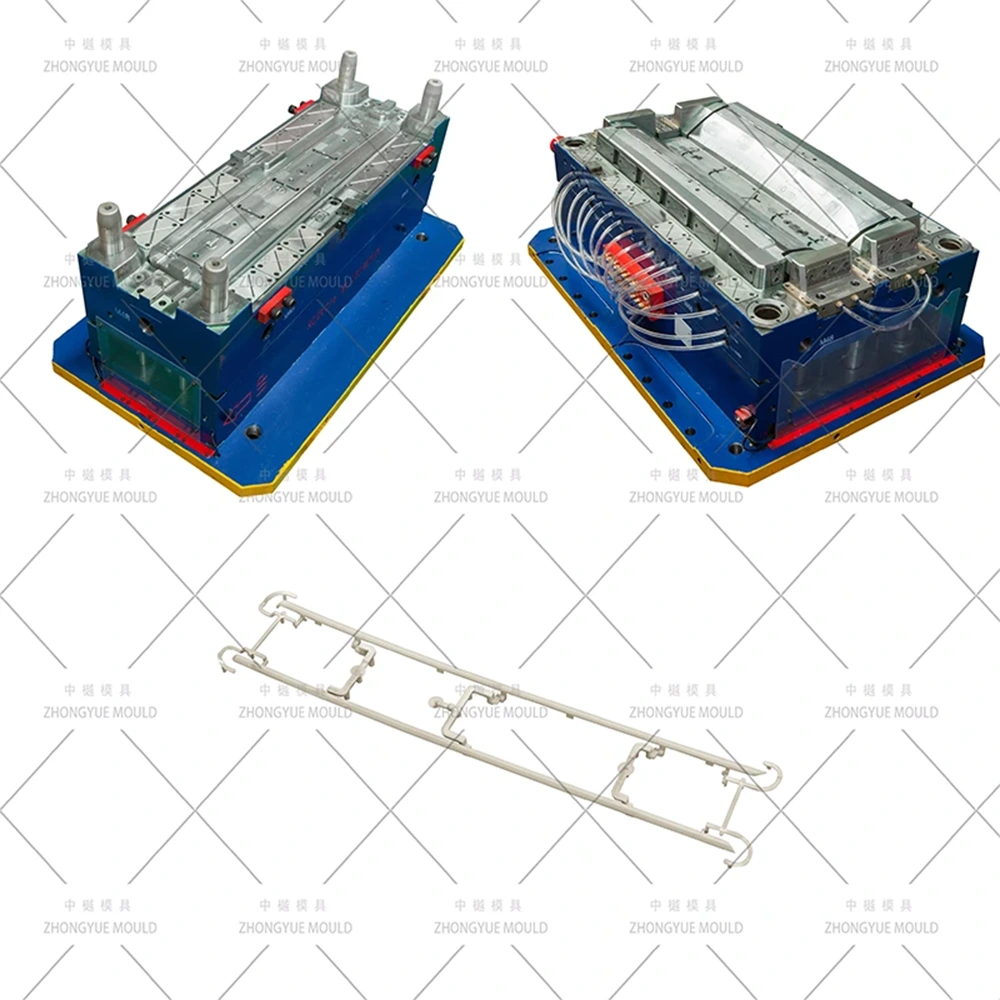
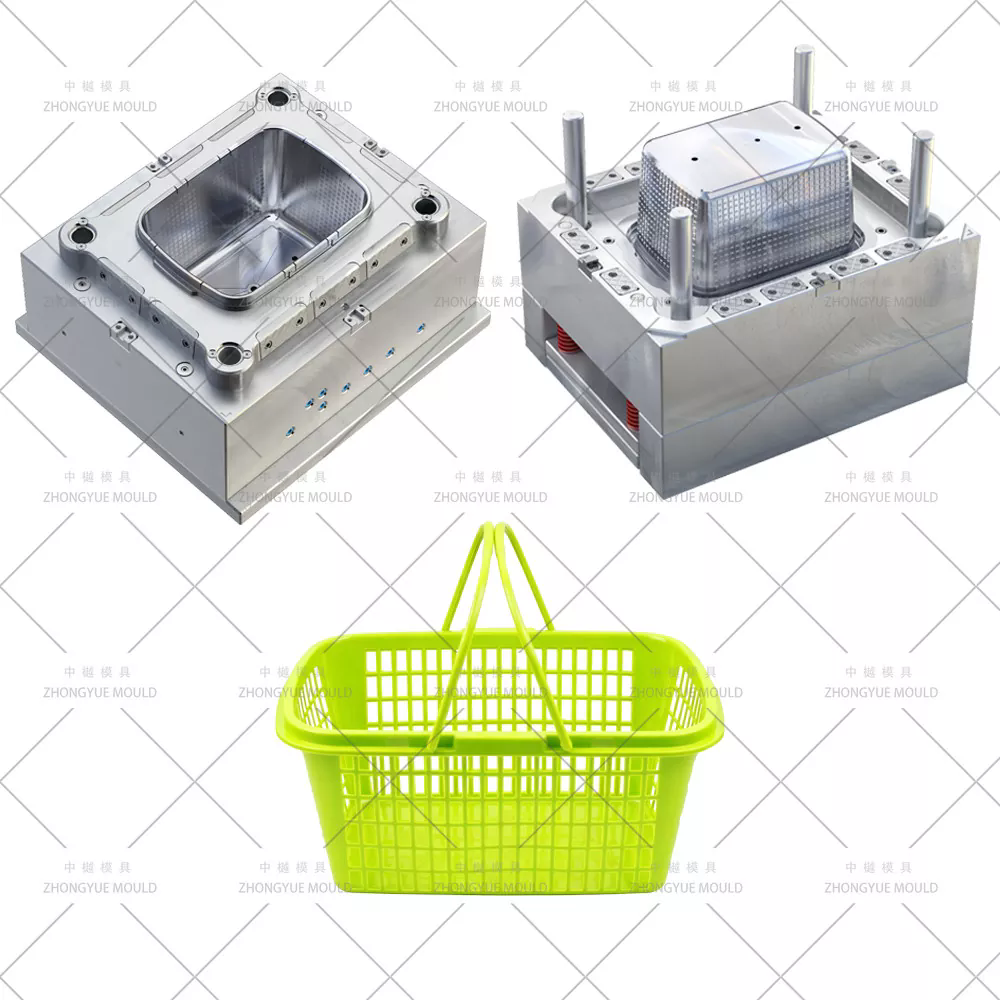
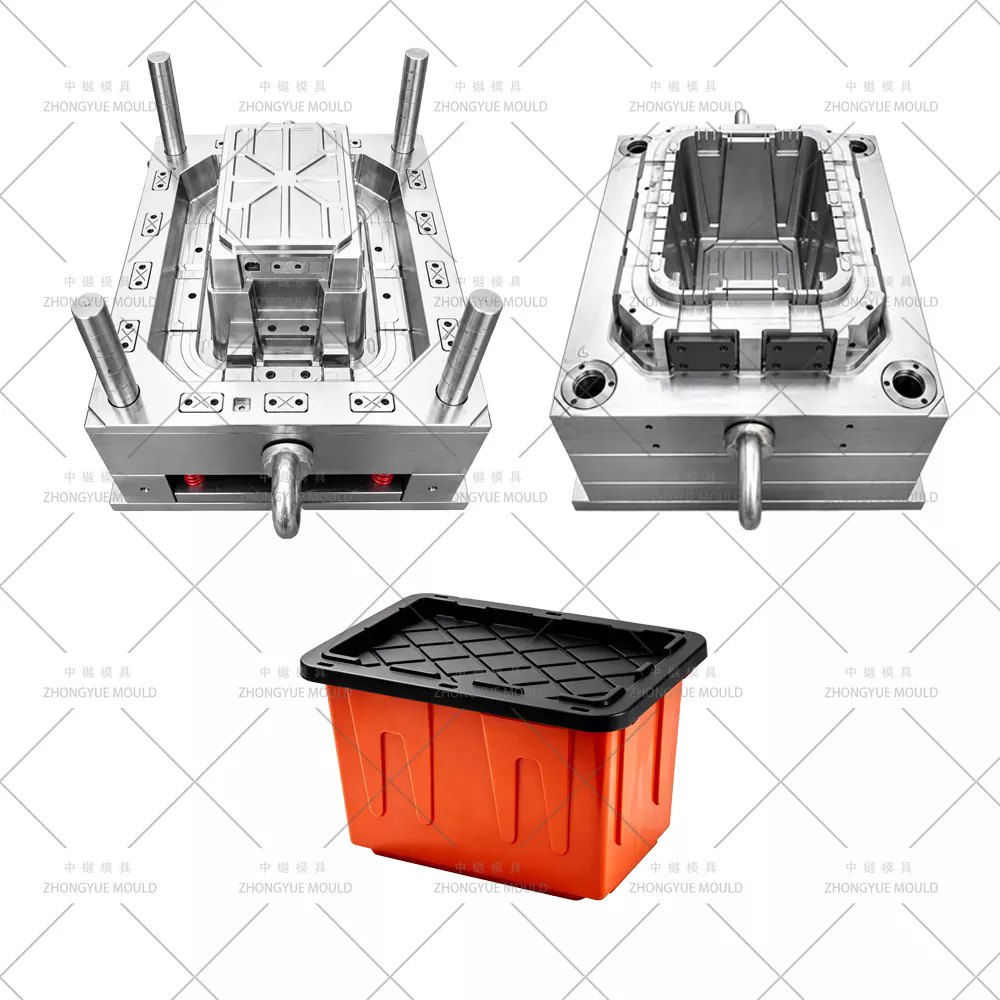
A Refrigerator Mould is a precision tooling system used to manufacture plastic components for refrigerators and freezers through injection moulding. Unlike simple plastic moulds, refrigerator tooling often needs to handle large part dimensions, complex geometries, tight assembly tolerances, demanding surface requirements, and repeated production cycles.
Modern refrigerators contain many moulded plastic components. These can include door liners, refrigerator drawers, freezer boxes, crisper bins, trays, frames, shelves, interior compartments, cabinet-related components, and other structural or functional parts.
The quality of the mould directly influences the quality of the finished component. If the cavity dimensions are inaccurate, the cooling system is poorly balanced, or the ejection structure is unsuitable, manufacturers may experience warpage, sink marks, weld lines, short shots, flash, dimensional deviations, or difficult assembly.
For appliance manufacturers, the objective is therefore not simply to produce a mould that can make one acceptable sample. The real goal is to develop tooling that can repeatedly produce stable parts throughout large-volume manufacturing.
ZHONGYUE focuses on customized appliance mould solutions designed around the geometry, material, production volume, machine conditions, and quality requirements of each refrigerator component.
Refrigerator components often have large surfaces and relatively complicated structures. A small error in tooling can become a significant problem after thousands of injection cycles.
A properly engineered Refrigerator Mould can help manufacturers achieve several important production objectives:
These benefits become particularly important when a refrigerator model is manufactured in high volume. Even a small defect percentage can translate into substantial material waste, labour costs, rework, and production delays.
For this reason, mould engineering should be considered part of the overall manufacturing strategy rather than simply a tooling purchase.
A single refrigerator product family can require numerous different moulds. Each component presents different requirements for size, strength, appearance, transparency, dimensional tolerance, and assembly.
| Refrigerator Component | Main Production Considerations | Typical Quality Concerns |
|---|---|---|
| Door Liner | Large surface area and dimensional stability | Warping, shrinkage, uneven wall thickness |
| Refrigerator Drawer | Smooth movement and accurate dimensions | Deformation, flash, surface defects |
| Crisper Drawer | Functional geometry and appearance | Warping, weld lines, poor transparency |
| Tray | Load-bearing capability and flatness | Sink marks, deformation, uneven thickness |
| Frame | Precise assembly interfaces | Dimensional deviation and flash |
| Freezer Box | Structural strength and repeatability | Warpage and incomplete filling |
| Cabinet-Related Parts | Large dimensions and complex geometry | Deformation, cooling imbalance, dimensional variation |
ZHONGYUE's refrigerator tooling capabilities cover a range of components, including door liners, drawers, inner compartments, trays, frames, crisper drawers, and other customized plastic refrigerator parts.
Good mould design begins before machining starts. The geometry of the plastic component, selected resin, injection machine, expected output, appearance requirements, and assembly conditions all need to be considered together.
The first step is understanding the part itself. Engineers examine wall thickness, ribs, bosses, corners, draft angles, undercuts, mounting points, functional interfaces, and cosmetic surfaces.
Large refrigerator parts can be particularly sensitive to uneven wall thickness. When different regions cool and shrink at different rates, deformation can occur. Therefore, the product design and mould design must work together to control shrinkage.
Plastic needs to reach every region of the cavity with appropriate pressure and temperature. An unsuitable gate location can create unbalanced filling, visible weld lines, excessive pressure requirements, or localized deformation.
For complex refrigerator components, a carefully engineered hot runner or multi-gate configuration may provide more consistent filling. The exact arrangement depends on the part geometry and resin.
Cooling is one of the most important factors affecting injection moulding cycle time and dimensional stability.
If one region of a large mould cools considerably faster than another, differential shrinkage can produce warpage. Properly positioned cooling channels help remove heat more uniformly and maintain predictable production conditions.
After cooling, the moulded component must be removed without damaging its appearance or geometry. Large refrigerator parts may require carefully distributed ejector systems to avoid localized stress.
A poorly balanced ejection structure can leave marks, cause deformation, or make automated demoulding difficult. ZHONGYUE therefore considers ejection requirements during the early design stage rather than treating them as an afterthought.
Material selection affects both mould life and finished-part quality. The correct choice depends on the expected production volume, plastic material, surface requirements, corrosion considerations, machining requirements, and maintenance plan.
Common engineering choices may include different grades of pre-hardened or hardened mould steel depending on the application. For demanding refrigerator tooling, materials such as P20, 718H, or S136 may be considered according to the specific project requirements.
The plastic being moulded is equally important. Refrigerator components can use different resins depending on their function. PP, HIPS, ABS, PC, PET, GPPS, and other materials may be selected for different applications.
The mould should be designed around the actual resin rather than treating all plastics in the same way. Melt temperature, shrinkage, flow characteristics, cooling behaviour, and ejection requirements can vary significantly between materials.
Manufacturers purchasing refrigerator tooling are often most concerned about recurring defects. A mould may produce a visually acceptable first sample but become difficult to control during mass production if the underlying design is not properly optimized.
| Potential Defect | Possible Cause | Design or Process Direction |
|---|---|---|
| Warping | Uneven cooling or shrinkage | Improve cooling balance and wall-thickness control |
| Sink Marks | Thick sections and insufficient packing | Optimize geometry, gate position, and packing conditions |
| Weld Lines | Multiple melt fronts meeting | Review gate configuration and flow direction |
| Flash | Insufficient shut-off or excessive moulding pressure | Improve parting surfaces and mould matching |
| Short Shot | Insufficient filling or restricted flow | Analyze runner, gate, venting, and injection conditions |
| Demoulding Damage | Insufficient draft or unsuitable ejection | Optimize draft angles and ejector distribution |
Simulation can provide valuable information before steel is cut. Mold flow analysis can help engineers evaluate filling behaviour, pressure distribution, weld-line locations, cooling conditions, and potential deformation.
Early analysis is particularly valuable for large refrigerator components because correcting a design problem after mould manufacturing can be considerably more expensive than addressing it during engineering.
Production efficiency does not come from machining the mould quickly alone. A better result comes from creating tooling that is predictable, maintainable, and compatible with the intended production process.
A high-quality Refrigerator Mould can improve manufacturing efficiency in several ways:
For high-volume refrigerator manufacturing, these improvements can have a significant cumulative effect. Saving only a few seconds per cycle can become a substantial productivity gain when a mould operates continuously over long production periods.
ZHONGYUE uses precision machining capabilities and engineering analysis to develop mould structures intended for stable production. Its manufacturing resources include more than 20 CNC machines, including advanced multi-axis machining equipment, supporting complex tooling projects.
Choosing a mould supplier should involve more than comparing the initial quotation. A lower purchase price can become expensive if the tooling requires repeated modifications, produces unstable parts, or has poor maintenance support.
Before selecting a manufacturer, buyers should evaluate the following factors:
It is also useful to ask how the supplier handles design changes. Refrigerator products may evolve during development, and the mould manufacturer needs enough engineering flexibility to accommodate reasonable revisions without creating unnecessary risk.
A successful mould project benefits from a clearly defined workflow. Although the exact procedure varies according to the component, a typical project can follow these stages:
This structured approach helps reduce surprises and gives the customer clearer control over project progress.
Even a well-built mould requires proper maintenance. Refrigerator tooling can perform reliably for a long production period when maintenance procedures are incorporated into daily manufacturing management.
Manufacturers should pay particular attention to:
Maintenance should also be preventive rather than purely reactive. Waiting until a mould fails can lead to unplanned production downtime and emergency repair costs.
A Refrigerator Mould is used to manufacture plastic components for refrigerators and freezers, including drawers, door liners, trays, frames, freezer boxes, crisper bins, and other customized appliance parts.
The appropriate material depends on the function of the component. PP, HIPS, ABS, PC, PET, GPPS, and other engineering or appliance-grade plastics may be considered according to requirements such as strength, transparency, chemical resistance, appearance, and dimensional stability.
Large refrigerator components can be sensitive to uneven shrinkage. A properly designed cooling system helps remove heat more consistently, supporting dimensional stability and reducing deformation while also helping control production cycle time.
Yes. ZHONGYUE develops customized refrigerator mould solutions based on the customer's component geometry, plastic material, production requirements, injection machine conditions, surface finish, and dimensional specifications.
Mould flow analysis can help engineers evaluate how molten plastic fills the cavity and identify potential issues such as unbalanced filling, excessive pressure, weld lines, air traps, cooling differences, and deformation before the mould is manufactured.
There is no universal cavity number. The appropriate configuration depends on component size, production volume, injection machine capacity, cycle requirements, tooling budget, and part geometry. Some refrigerator components may benefit from a single cavity, while other applications can use multiple cavities.
Buyers should consider the complete production lifecycle rather than only the initial mould price. Durable steel, stable cooling, efficient ejection, optimized cycle time, low rejection rates, easy maintenance, and dependable technical support can all contribute to lower long-term manufacturing costs.
Useful information includes the 2D or 3D part drawing, plastic material, expected production volume, target cycle time, injection machine information, surface requirements, dimensional tolerances, number of cavities, delivery expectations, and any special packaging or assembly requirements.
A Refrigerator Mould is much more than a metal tool for forming plastic. Its engineering quality affects the consistency, appearance, dimensional accuracy, production speed, maintenance requirements, and overall manufacturing cost of refrigerator components.
For large appliance parts, careful attention to product geometry, material behaviour, gating, cooling, ejection, mould steel, machining accuracy, and trial validation is essential. A well-planned mould can help manufacturers avoid recurring defects and maintain stable output throughout demanding production schedules.
ZHONGYUE provides customized refrigerator mould solutions for manufacturers seeking reliable tooling for different refrigerator plastic components. By combining engineering analysis, precision machining, appropriate mould materials, optimized structures, and production validation, ZHONGYUE aims to help customers move from product concept to dependable mass production with fewer tooling-related problems.
If you are developing a new refrigerator component, replacing existing tooling, or looking for a reliable customized Refrigerator Mould solution, contact us to discuss your drawings, material requirements, production targets, and tooling needs with the ZHONGYUE team.
-