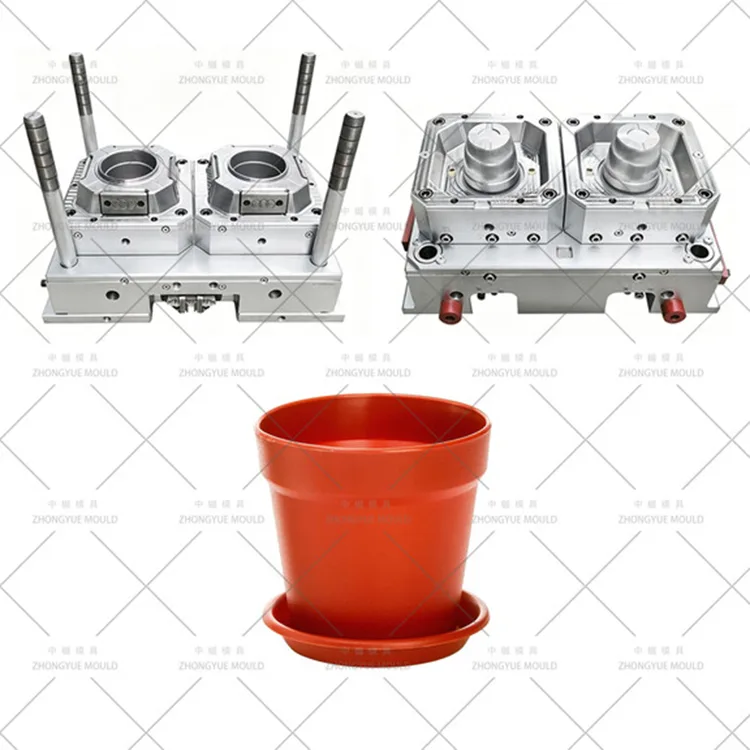
When you need reliable plastic storage organizers baskets mould, ZHONGYUE combines decades of mould-making expertise with advanced manufacturing to deliver durable, precise, and cost-effective solutions. This article explores what plastic storage organizers baskets mould is, why it matters, how to choose the right mould, which factors affect quality, and when to invest—helping you make informed decisions for your production line.
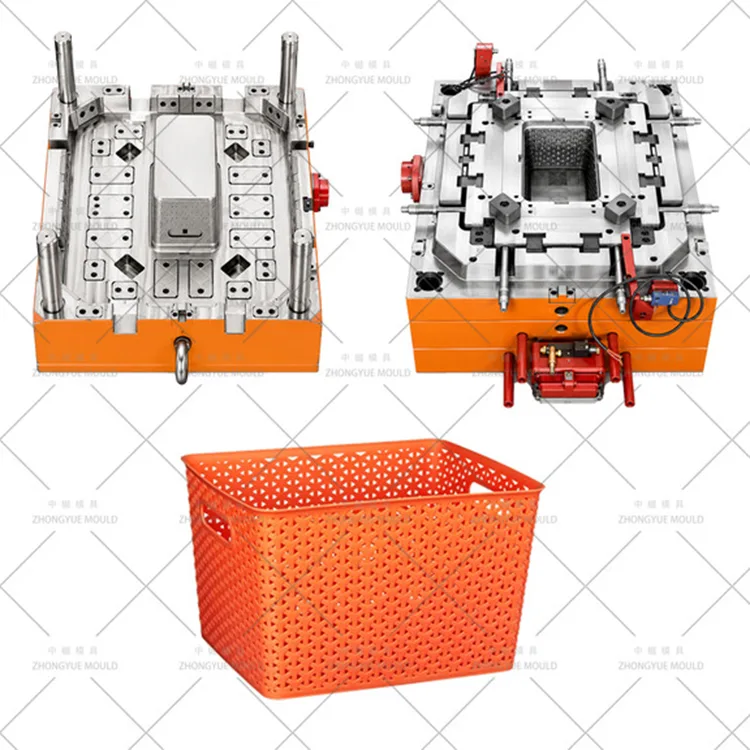
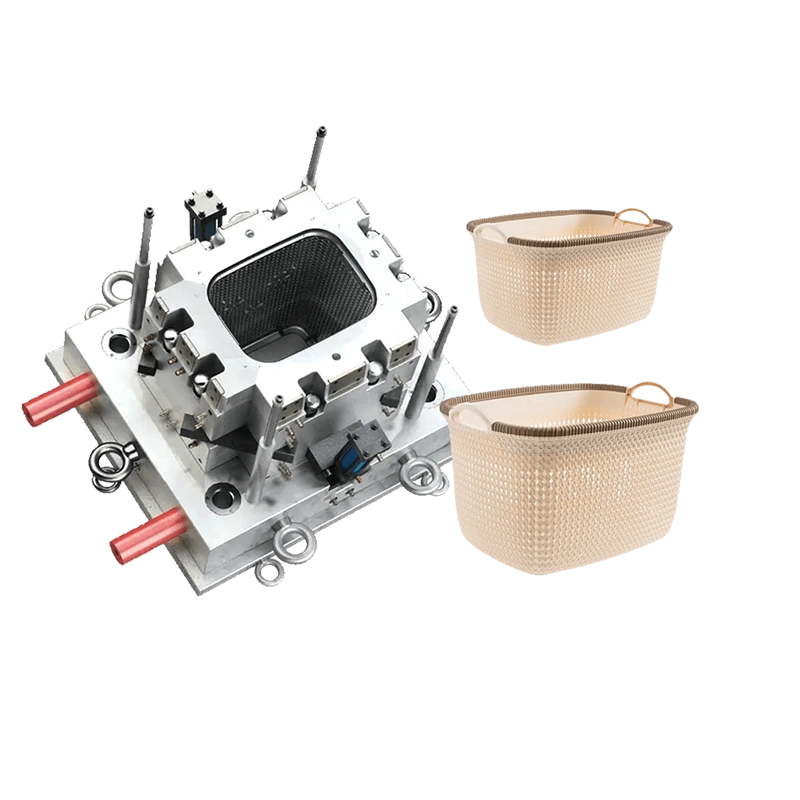
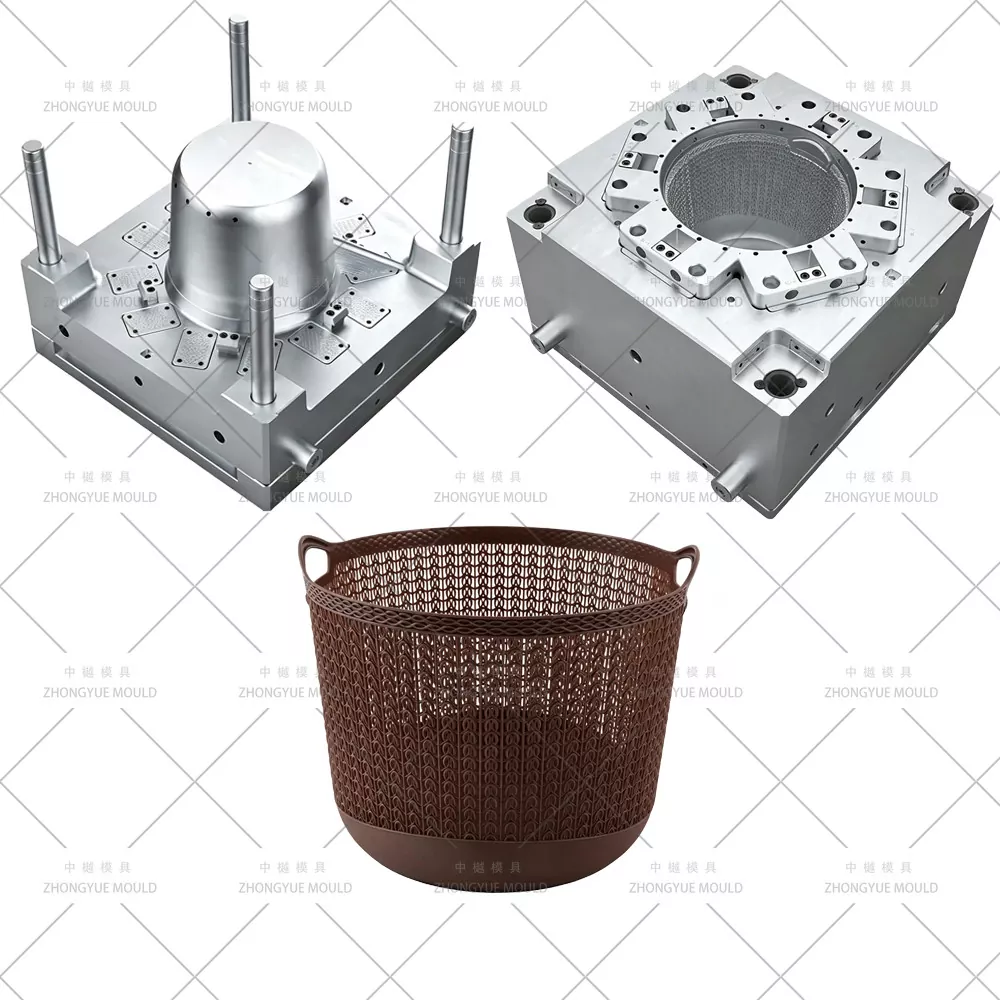
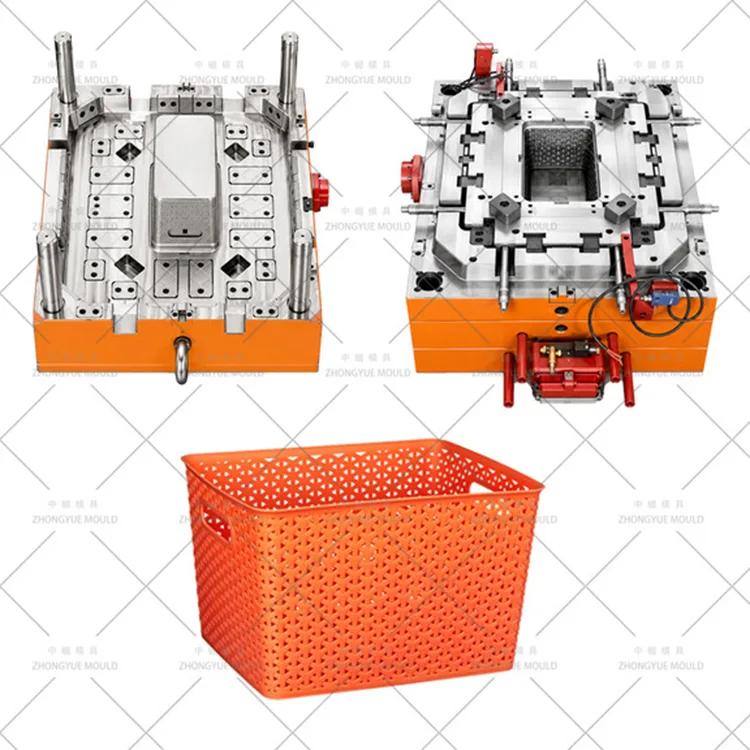
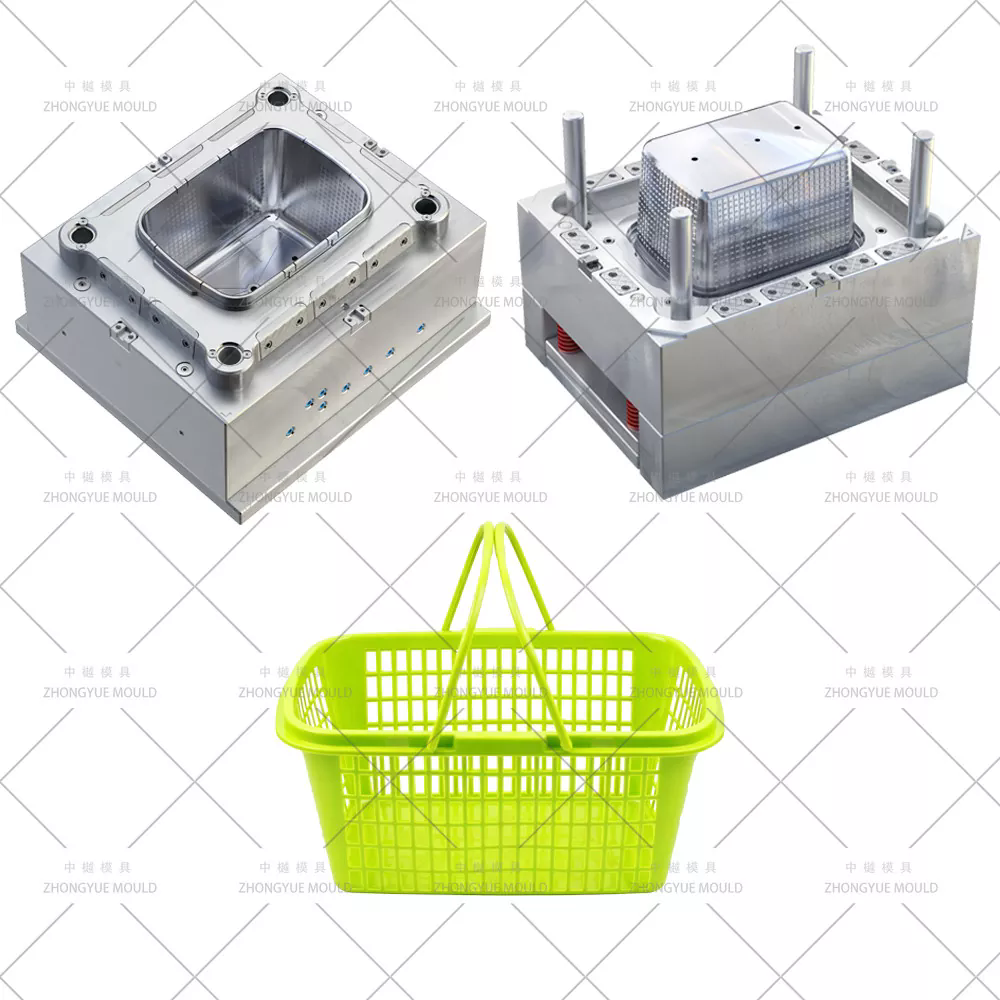
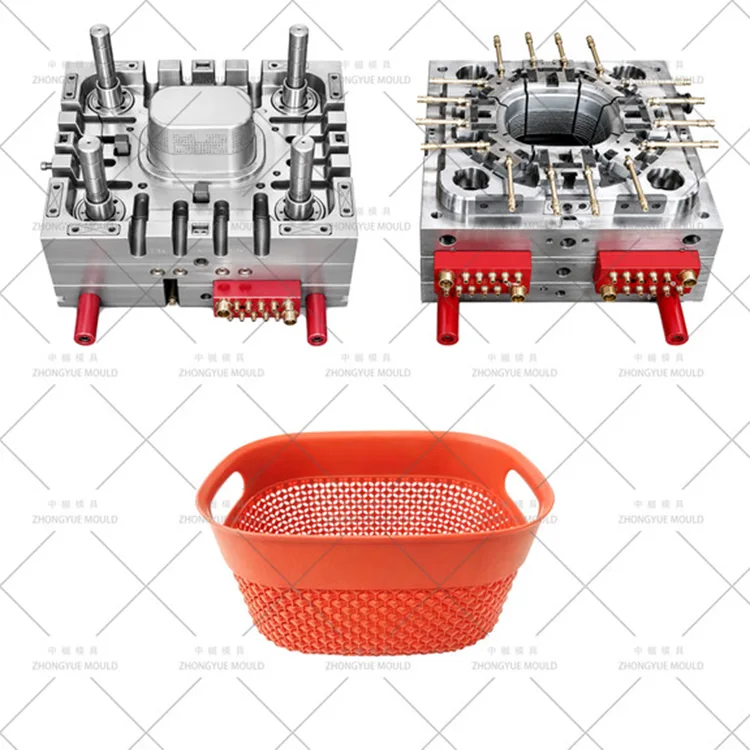
Plastic storage organizers baskets mould is a specialized tooling system used to produce plastic baskets and organizers through injection molding. It defines the shape, size, wall thickness, and surface finish of the final product. A high-quality mould ensures consistent part dimensions, smooth surfaces, and long production life. At ZHONGYUE, we design and manufacture molds tailored to various basket styles—from stackable storage bins to ventilated organizer baskets—using premium mold steels and precision machining.
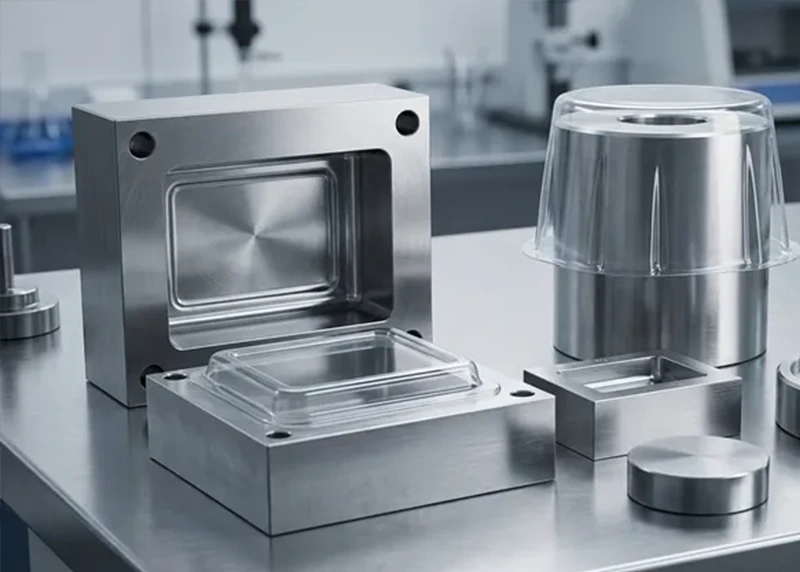
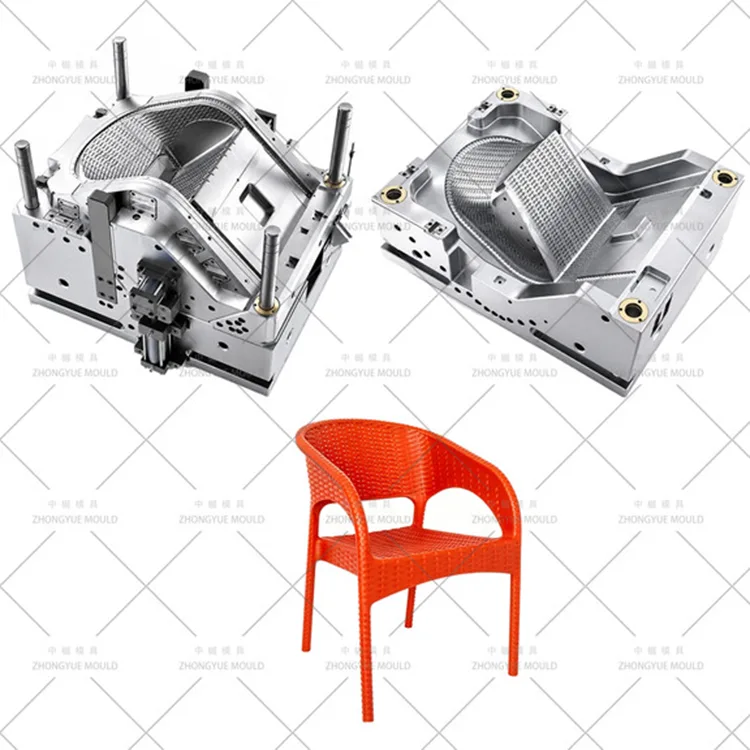
The mould typically consists of a cavity and core, a runner system, cooling channels, ejection mechanisms, and a mold base. The design must account for plastic shrinkage, draft angles, and part ejection to avoid defects. Whether you need a single-cavity prototype mould or a multi-cavity high-volume mould, understanding the fundamentals helps you specify the right solution.
The quality of the mould directly affects production efficiency, part quality, and total cost. A well-designed mould reduces cycle time, minimizes scrap, and ensures repeatable part dimensions. For storage organizer baskets, which often have complex geometries, thin walls, and ventilation slots, the mould must handle intricate details without compromising strength or aesthetics.
Key benefits of a high-quality plastic storage organizers baskets mould include:
Selecting the right mould involves evaluating product design, production volume, material choice, and budget. Start with a clear 3D model and define critical tolerances. Consider the plastic material—PP, PE, ABS, or PC—since shrinkage and flow behavior differ. For high-volume production, multi-cavity molds with hot runner systems are often recommended. For low-volume or prototype runs, single-cavity molds with standard runners may be more economical.
Work with an experienced mould maker like ZHONGYUE to review mold flow analysis, cooling design, and ejection strategy. We provide DFM (Design for Manufacturability) feedback to optimize wall thickness, draft angles, and rib design. This proactive approach avoids costly rework and ensures the mould meets your production goals.
Several factors influence mould quality and lifespan:
The table below compares common mould materials and their typical applications for storage organizer baskets.
| Mould Steel | Hardness (HRC) | Typical Application | Advantages |
|---|---|---|---|
| P20 | 28–32 | Prototype and low-volume molds | Good machinability, cost-effective |
| 718H | 30–34 | Medium-volume production | Better polishability and toughness |
| S136 | 48–52 | High-volume, corrosive plastics | Excellent corrosion resistance, long life |
| H13 | 48–54 | High-impact or abrasive materials | High toughness and wear resistance |
Invest in a custom mould when your product design is stable, your production volume justifies the tooling cost, and you need consistent quality. If you are launching a new line of storage baskets, a custom mould ensures brand differentiation and optimized functionality. For seasonal or limited runs, consider a modular mould or a family mould that produces multiple sizes.
Typical scenarios for custom mould investment include:
Choosing between a prototype mould and a production mould depends on your timeline and budget. The table below outlines key differences.
| Mould Type | Cavities | Steel Grade | Lead Time | Best For |
|---|---|---|---|---|
| Prototype | 1 | P20 or aluminum | 2–4 weeks | Design validation, small batches |
| Production | 2–8+ | 718H, S136 | 6–12 weeks | High-volume, long-term runs |
1. What is the typical lead time for a plastic storage organizers baskets mould?
Lead time depends on complexity and cavity count. A single-cavity prototype mould may take 2–4 weeks, while a multi-cavity production mould typically requires 6–12 weeks after design approval.
2. Can you produce moulds for recycled plastics?
Yes. We design moulds compatible with recycled PP and PE, adjusting shrinkage and cooling parameters to accommodate material variations.
3. How do you ensure mould quality?
We use premium mould steels, precision CNC machining, and rigorous inspection with CMM. Mold flow analysis is performed before manufacturing to optimize design.
4. Do you provide after-sales support?
Yes. We offer spare parts, technical guidance, and maintenance recommendations to ensure long-term performance.
5. What is the minimum order quantity for a custom mould?
We handle both small and large projects. MOQ depends on mould complexity and cavity number; contact us for a tailored quotation.
Ready to elevate your plastic storage organizer basket production? ZHONGYUE is your trusted partner for high-quality, custom-engineered moulds. With advanced facilities in Taizhou, China, and a team of experienced engineers, we deliver moulds that meet your exact specifications, timelines, and budget. Contact us today to discuss your project, request a quotation, or schedule a technical consultation. Let us help you turn your product ideas into profitable reality.