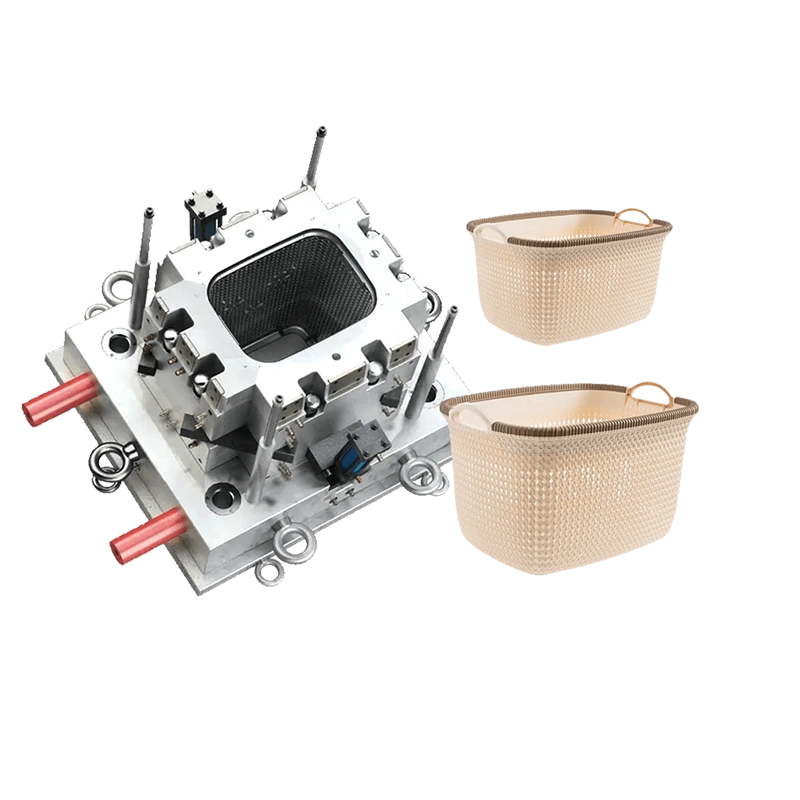
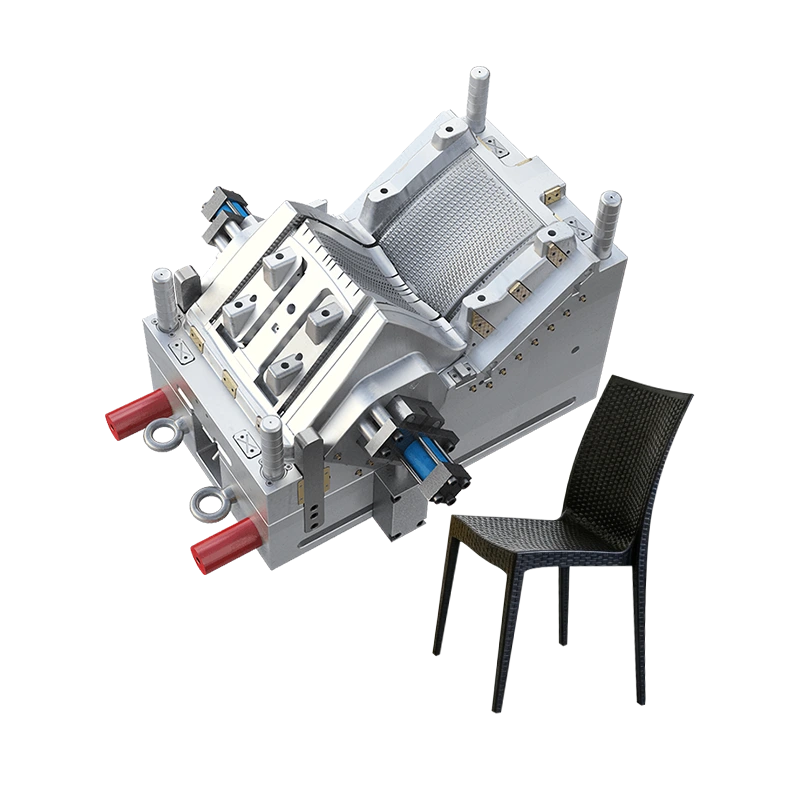
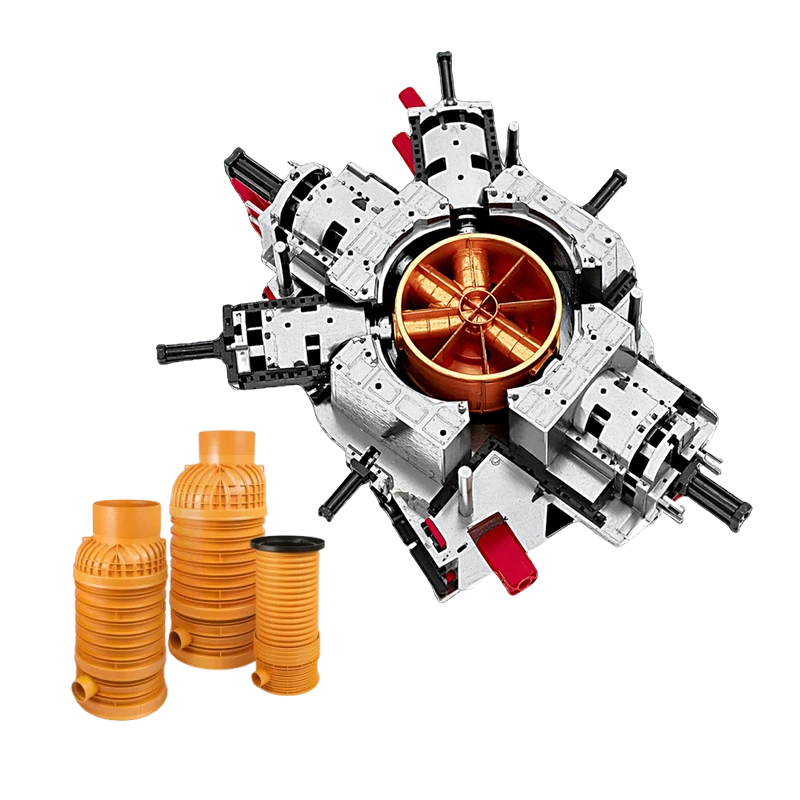
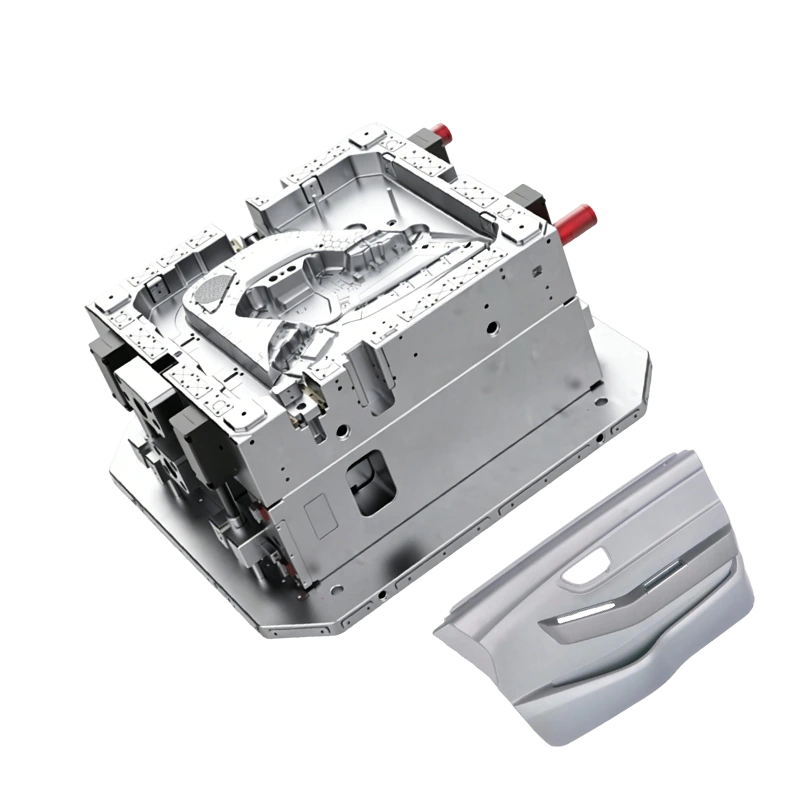
ZHONGYUE, a professional plastic injection mould manufacturer, provides the Plastic Round Ball Shape Rattan Flower Pot Mould for manufacturers seeking distinctive spherical planters with realistic woven textures. By combining specialized cavity engineering, carefully designed cooling systems, and reliable demoulding solutions, this mould helps produce decorative flower pots for indoor gardening, outdoor landscaping, and modern home decoration.
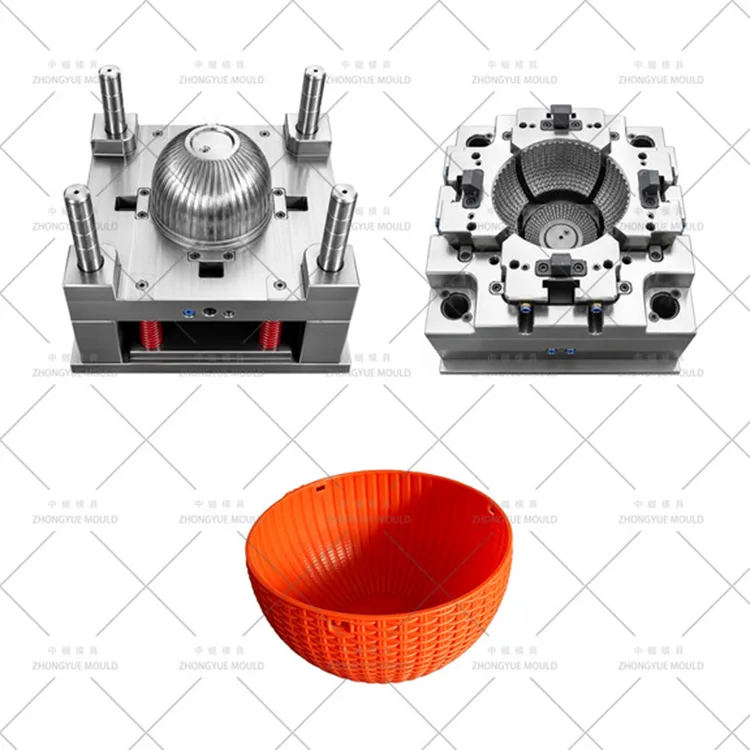
A plastic round ball shape rattan flower pot mould is designed to manufacture spherical or semi-spherical planters with a woven rattan-style surface. Unlike conventional smooth flower pot moulds, this specialized tooling requires precise texture machining, suitable draft angles, an effective split-cavity structure, and balanced cooling. This article explains the mould's working principles, key engineering considerations, material selection, applications, quality-control requirements, and purchasing factors to help buyers make informed sourcing decisions.
1. What Is a Plastic Round Ball Shape Rattan Flower Pot Mould?
2. Why Is Rattan Texture Important in Modern Planter Design?
3. What Are the Key Technical Features of This Mould?
4. How Does the Injection Moulding Process Work?
5. How Should Manufacturers Select Materials and Mould Specifications?
6. Where Can Ball-Shaped Rattan Flower Pots Be Used?
7. How Can Buyers Evaluate Mould Quality and Production Value?
9. Start Your Custom Flower Pot Mould Project
A Plastic Round Ball Shape Rattan Flower Pot Mould is a specialized injection mould used to manufacture decorative plastic planters with a spherical profile and a woven surface pattern. The design combines the visual appeal of traditional rattan products with the manufacturing consistency and versatility of injection-moulded plastic.
Depending on the intended application, the finished product may take the form of a complete spherical hanging planter, a half-ball wall-mounted flower pot, or a rounded decorative container. Manufacturers can also customize the opening diameter, wall thickness, drainage arrangement, hanging features, and surface texture to meet different market requirements.
The main engineering challenge lies in producing a rounded geometry with textured surfaces without damaging the woven pattern during ejection. The mould must therefore account for cavity separation, texture depth, draft angles, cooling efficiency, and the movement of mechanical components.
ZHONGYUE develops mould solutions around these requirements, helping customers translate product concepts into practical injection moulding designs. Buyers can explore the company's plastic injection mould manufacturing services for additional information about its engineering capabilities.
Surface appearance plays an important role in the commercial appeal of garden products. A smooth plastic planter may serve its functional purpose, but a woven texture introduces visual depth and helps the product complement natural materials, outdoor furniture, and contemporary interior styles.
Plastic rattan-style flower pots offer several practical advantages:
However, realistic texture requires more than a decorative pattern added to a drawing. The cavity surface must reproduce the intended details accurately, while the mould structure must allow the finished component to release without excessive friction or visible surface damage.
The performance of a Plastic Round Ball Shape Rattan Flower Pot Mould depends on how several engineering elements work together. The following features are particularly important for spherical, textured products.
Electrical discharge machining (EDM) and suitable surface etching techniques can reproduce woven patterns on the cavity. Texture depth, spacing, and consistency should be evaluated against the approved product design. Appropriate draft angles are also essential because deeper patterns generally increase demoulding resistance.
A spherical planter with a textured exterior may contain undercuts that prevent straightforward ejection from a conventional two-piece mould. A two-half split cavity or a multi-slide arrangement can allow the mould sections to retract before the part is released. The final structure depends on the product geometry, opening, and texture layout.
Rounded cavities can create challenging heat-transfer conditions, particularly around thicker sections. Properly positioned cooling channels, bubblers, or other suitable inserts help regulate mould temperature. Copper-alloy cooling inserts may be considered in demanding areas where improved thermal conductivity is beneficial.
A submarine gate or another suitable gate arrangement can help keep gate marks away from the visible woven surface. Gate location must be evaluated alongside resin flow, filling balance, packing pressure, and the finished product's appearance requirements.
Slides, ejector pins, stripper plates, and lifting mechanisms must operate in the correct sequence. Smooth movement reduces the risk of scratches, distortion, and interference between the textured product and the mould components.
The following table summarizes representative design options. Final specifications should be confirmed with the mould manufacturer according to the actual product drawing and production requirements.
| Technical Item | Typical Option | Primary Purpose |
|---|---|---|
| Cavity and core steel | P20 or 718H | Balance machining performance, durability, and mould life |
| Slide steel | H13 or an equivalent suitable grade | Support repeated sliding movement and resist wear |
| Cavity structure | Two-half split cavity or multi-slide system | Release spherical parts with textured surfaces |
| Surface treatment | EDM texture with optional etching | Reproduce the specified rattan pattern |
| Runner system | Cold runner or hot runner | Match filling requirements and production economics |
| Cooling arrangement | Conformal channels, bubblers, or suitable inserts | Improve temperature control and reduce cooling imbalance |
| Plastic material | PP or a suitable modified grade | Meet product strength, flexibility, and environmental requirements |
Manufacturing a consistent spherical planter requires coordinated control of mould design, plastic flow, cooling, and ejection. A well-planned production process typically includes the following stages.
Trial moulding is particularly important for ball-shaped rattan planters because a pattern that looks correct in the cavity may still release poorly under actual processing conditions. Testing helps identify problems before they affect larger production batches.
Material selection should begin with the finished planter's intended use rather than price alone. The resin must flow into the textured cavity, withstand the expected handling conditions, and provide suitable flexibility during ejection.
Polypropylene (PP) is a common candidate for plastic flower pots because of its low weight, chemical resistance, and useful balance of stiffness and flexibility. A suitable PP grade should be selected according to its melt flow characteristics, shrinkage behaviour, impact requirements, and compatibility with the intended moulding process.
For products designed for extended outdoor use, a UV-stabilized grade may help improve resistance to sunlight-related degradation. The required performance depends on the formulation, exposure conditions, colour, and expected service life. Material claims should therefore be verified against relevant supplier data and testing.
Before confirming the mould specification, buyers should establish:
Providing a detailed 3D model alongside a two-dimensional drawing helps engineers evaluate the relationship between product geometry and mould structure. If a finished sample is available, photographs or physical samples can also help clarify the intended texture and appearance.
The combination of rounded geometry and woven texture supports a range of decorative applications. Product dimensions and mounting features can be adapted to the needs of different sales channels.
For each application, the drainage arrangement, mounting strength, load capacity, and material weather resistance should be evaluated independently. A decorative appearance alone does not establish that a planter is suitable for every installation environment.
Choosing a mould supplier involves more than comparing the initial quotation. The mould must meet the product's appearance requirements while remaining practical to operate, maintain, and use over repeated production cycles.
Buyers can use the following checklist when comparing suppliers:
It is also useful to assess total production cost rather than tooling price in isolation. A mould with an effective cooling layout and reliable ejection sequence may help reduce rejected parts, unplanned adjustments, and downtime. Actual savings depend on the production environment and should be evaluated through trial results.
ZHONGYUE offers plastic injection mould solutions for household and gardening products. Buyers can review its round ball shape rattan flower pot mould specifications and discuss the required design details with its engineering team before finalizing a project.
The main differences are its spherical geometry, textured cavity surface, and potential need for split cavities or multiple slides. These features require careful control of demoulding, cooling, and surface reproduction.
PP is a common option because it combines low weight, useful flexibility, and chemical resistance. The final grade should be selected according to texture release, impact performance, outdoor exposure, and the required product dimensions.
Yes, different product sizes can be developed through customized mould designs. Each size should be assessed for cavity dimensions, machine compatibility, cooling requirements, slide configuration, and production economics.
The pattern is formed by machining the desired relief into the mould cavity, commonly using EDM and, where appropriate, surface etching. The final appearance depends on the cavity finish, texture geometry, resin, and processing conditions.
Cooling helps control shrinkage, cycle time, and dimensional stability. An uneven temperature distribution may contribute to sink marks, warpage, or inconsistent wall geometry, so cooling performance should be verified during mould trials.
Prepare a 3D product model, 2D drawings, target dimensions, wall thickness, texture references, resin specifications, production volume, and any drainage or hanging requirements. If complete drawings are unavailable, a sample or clear product photographs can help initiate the discussion.
The product information published by ZHONGYUE indicates a typical lead time of approximately 45–60 days. The confirmed schedule may vary according to texture complexity, mould size, slide structure, steel availability, trial results, and design approval.
Request trial samples and review dimensions, spherical roundness, texture consistency, gate appearance, flash, sink marks, and demoulding performance. The acceptance criteria should be agreed upon before final approval.
A well-engineered Plastic Round Ball Shape Rattan Flower Pot Mould can help manufacturers turn distinctive planter concepts into repeatable products with consistent surface detail and practical production performance. The most effective solution combines suitable mould steel, accurate texture machining, a reliable cavity-release structure, balanced cooling, and systematic sample validation. If you are developing a new gardening product or upgrading your existing production line, explore ZHONGYUE's mould solution and contact us with your drawings, product dimensions, and texture requirements to discuss a customized design, technical recommendations, and a quotation for your next project.