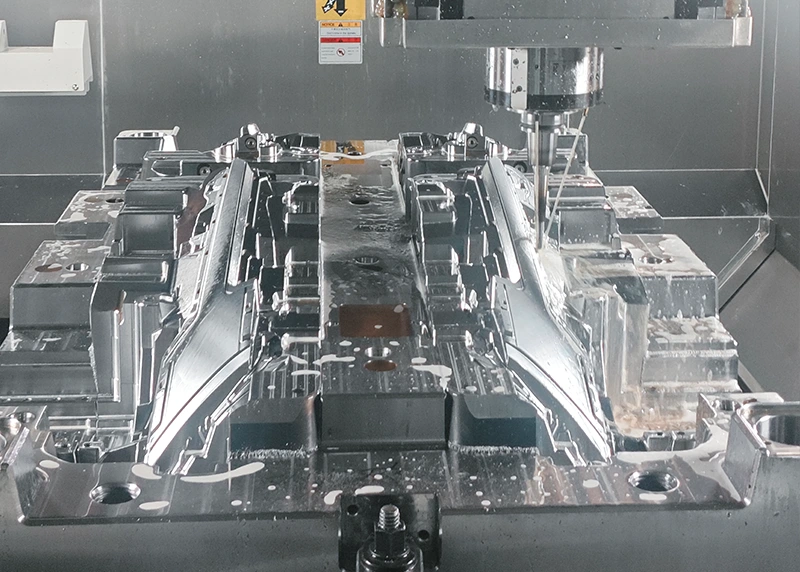
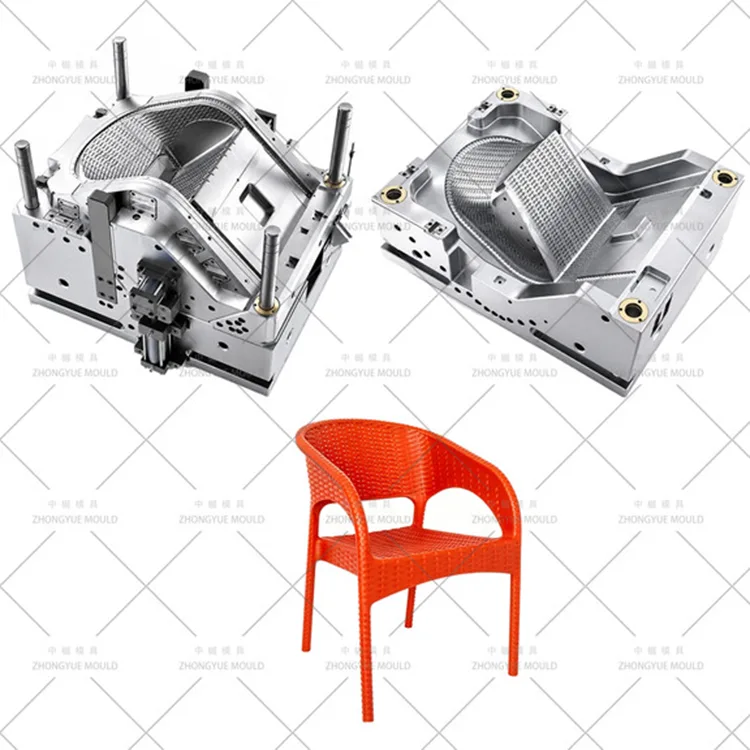
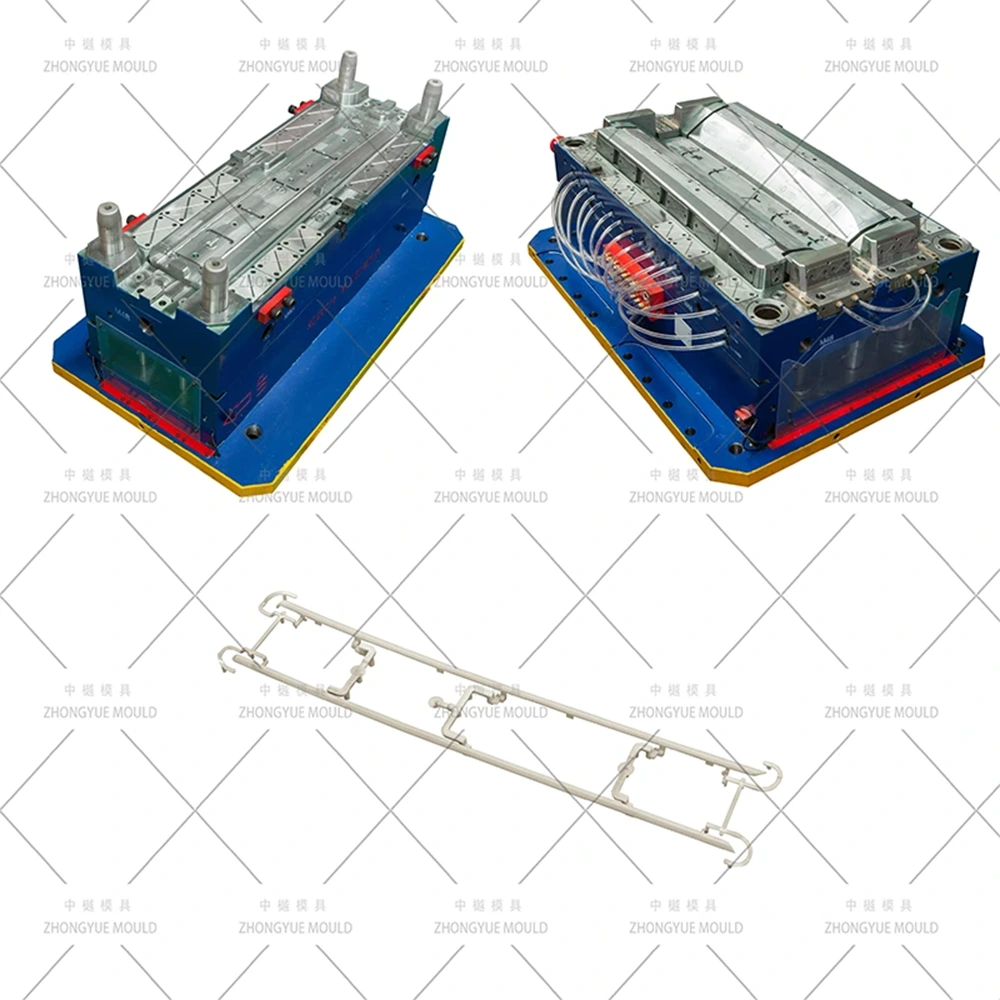
Article Summary: A high-quality Plastic Air Conditioner Panel Mould is essential for producing durable, visually appealing, and dimensionally accurate HVAC components. Zhongyue specializes in customized plastic injection mould solutions for air conditioning applications, combining precision engineering, carefully selected mould steel, and advanced CAD/CAM technology. This guide explores mould structures, material selection, manufacturing processes, quality standards, and key considerations for choosing a reliable mould manufacturer.
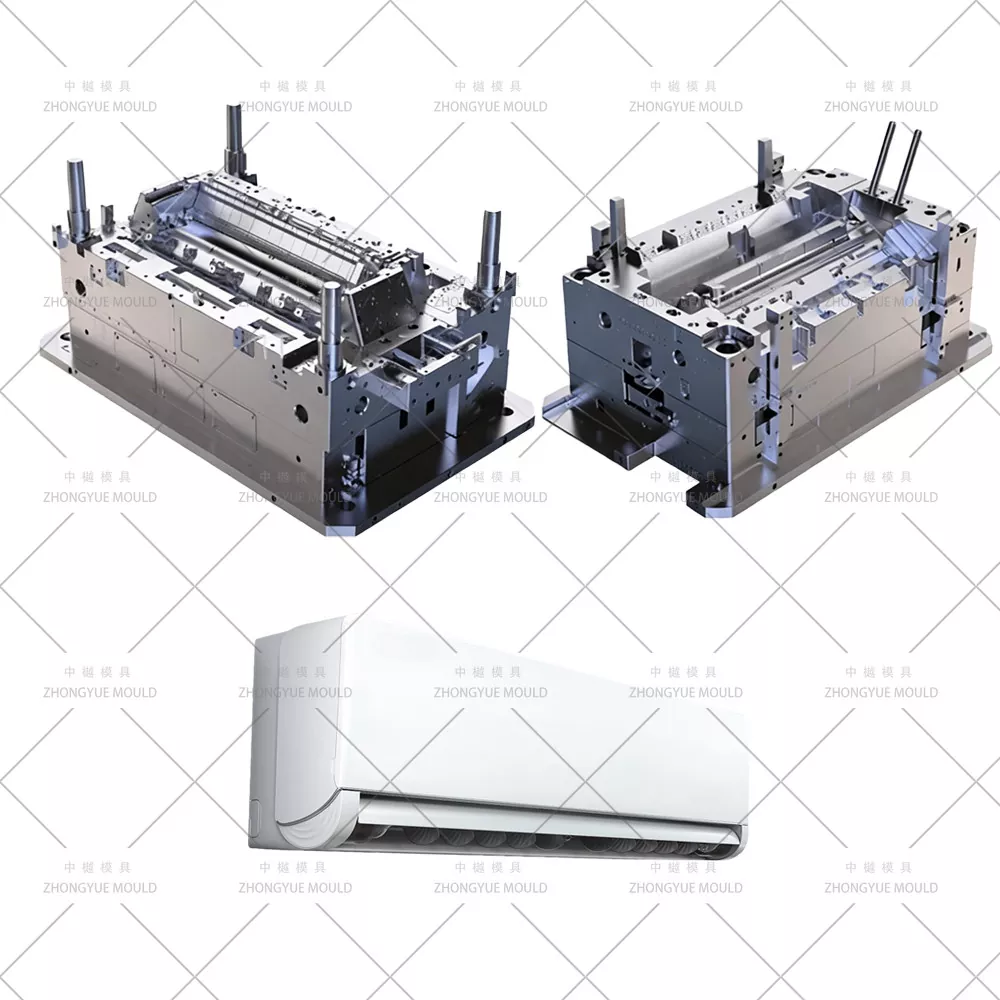
1. What Is a Plastic Air Conditioner Panel Mould?
2. Why Is Mould Precision Important for AC Panel Manufacturing?
3. Which Materials Are Suitable for Air Conditioner Panel Moulds?
4. What Are the Main Mould Structures and Design Options?
5. How Is a Plastic Air Conditioner Panel Mould Manufactured?
6. What Quality Factors Should Buyers Evaluate?
7. Why Choose Zhongyue for Custom AC Panel Moulds?
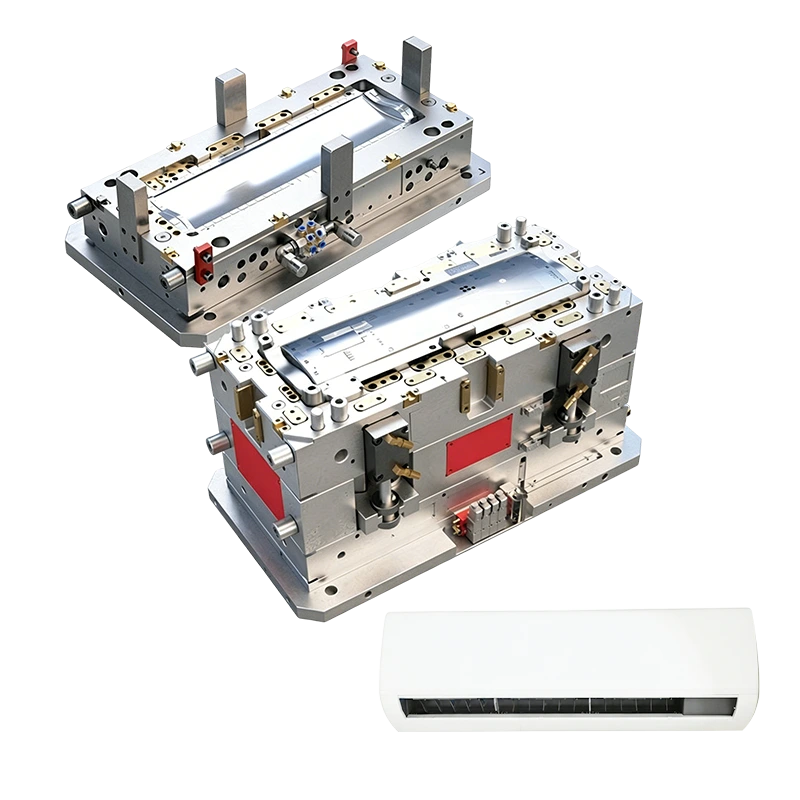
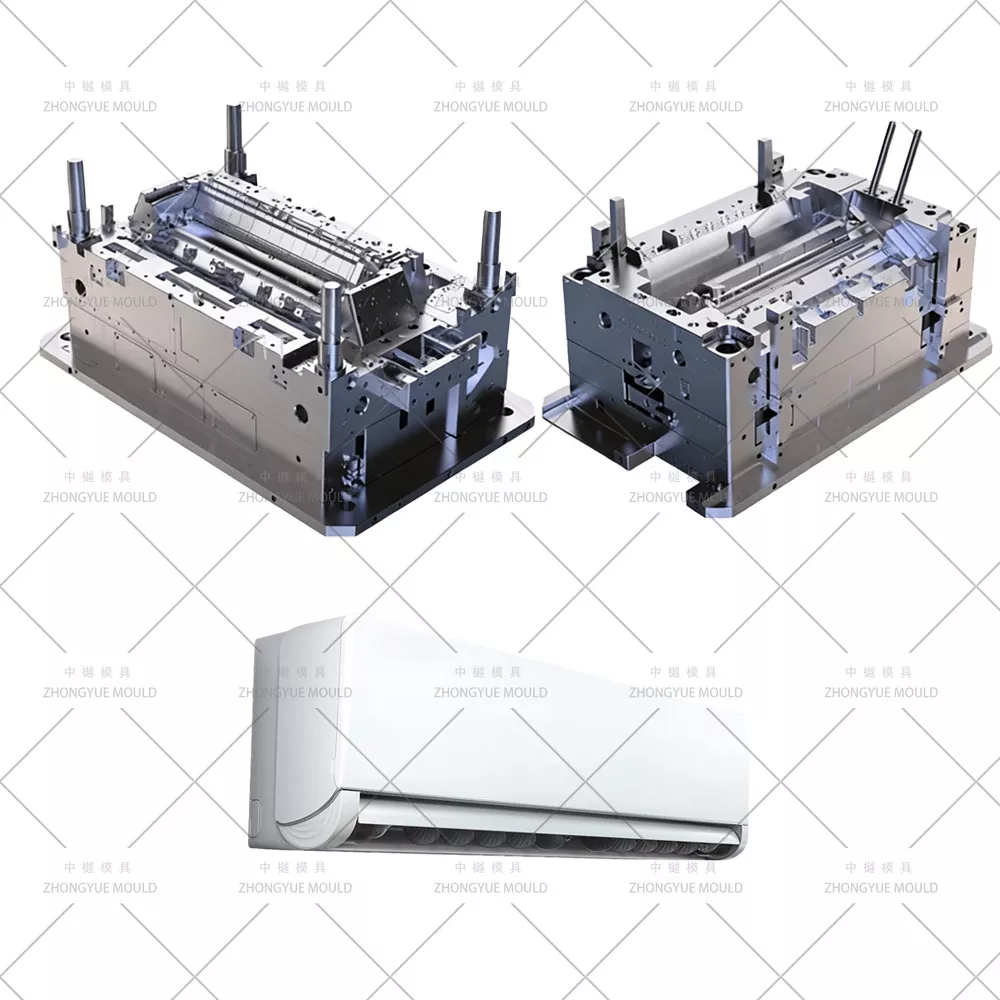
A Plastic Air Conditioner Panel Mould is a precision-engineered injection mould used to manufacture plastic exterior and functional components for residential and commercial air conditioning systems. It shapes molten thermoplastic materials into specific geometries through controlled injection, cooling, and solidification.
Air conditioner panels are more than decorative covers. They protect internal components, provide structural support, accommodate control interfaces, and contribute to the overall appearance of HVAC equipment.
Typical applications include:
Because different air conditioner models have different dimensions and structural requirements, moulds must be customized according to product drawings, material specifications, and production targets.
Precision is one of the most important factors affecting the performance of an air conditioner panel mould. Even minor dimensional deviations can cause assembly difficulties, uneven gaps, poor surface appearance, or interference with other components.
A professionally designed mould helps manufacturers achieve several important production objectives.
Precision-machined mould cavities help maintain consistent product dimensions across production batches. Proper dimensional control ensures that panels fit correctly with air conditioner frames, internal supports, and fastening components.
Air conditioner panels are highly visible components. Surface defects such as scratches, sink marks, weld lines, and uneven textures can negatively affect product perception. Appropriate mould polishing, EDM finishing, and texture processing help achieve the required appearance.
Optimized gate positioning, cooling channels, and cavity design help reduce common injection moulding problems, including warpage, shrinkage, and inconsistent filling.
Efficient cooling and balanced material flow can shorten moulding cycles while maintaining dimensional stability. This is particularly valuable for manufacturers producing large quantities of air conditioner panels.
Mould steel selection directly influences machining performance, wear resistance, surface quality, and service life. The appropriate material depends on production volume, plastic resin, mould complexity, and finishing requirements.
Zhongyue offers multiple mould steel options, including P20, 2738, 718H, NAK80, 2316, S136, and H13.
The following table provides a general comparison of selected mould materials based on the product specifications and reference information available from Zhongyue.
| Mould Steel | Hardness | Reference Mould Life | Typical Considerations |
|---|---|---|---|
| P20 | HRC 28–33 | More than 300,000 shots | General-purpose mould applications |
| 718 | HRC 33–36 | More than 500,000 shots | Improved hardness and durability |
| H13 | HRC above 43 | More than 800,000 shots | Higher hardness requirements |
| 2344 | HRC above 48 | More than 800,000 shots | High-performance mould applications |
| S136 | HRC 48–52 | More than 1,000,000 shots | High-quality mould surfaces and durability |
Note: These are reference values rather than guaranteed service lives for every project. Actual mould life depends on operating conditions, plastic materials, maintenance, and production parameters.
In addition to mould steel, the plastic resin must also be carefully selected. Zhongyue identifies PC and ABS as available plastic material options for its air conditioner panel mould applications.
Different air conditioner components require different mould configurations. Selecting the correct structure helps balance product complexity, production volume, investment costs, and manufacturing efficiency.
A single-cavity mould produces one plastic component per injection cycle. It is suitable for larger parts, including certain air conditioner front panels and exterior housings, where component dimensions and mould layout are important considerations.
Multi-cavity moulds produce several identical components during one cycle. They are particularly useful for smaller parts such as clips, knobs, and accessories when production demand is high.
Family moulds are designed to produce multiple different components within one moulding cycle. Their suitability depends on part geometry, material compatibility, filling balance, and production requirements.
Runner system selection affects material consumption, filling behavior, maintenance, and production costs.
| Design Option | Main Characteristics | Suitable Applications |
|---|---|---|
| Cold Runner | Material in the runner solidifies after injection | Projects prioritizing simpler mould construction |
| Hot Runner | Maintains molten plastic within the runner system | High-volume production and reduced runner waste |
| Single Cavity | Produces one part per cycle | Large or complex AC panels |
| Multi-Cavity | Produces multiple parts per cycle | Small, repetitive plastic components |
Gate configurations can also be customized. Available options include pinpoint gates, edge gates, sub gates, film gates, valve gates, and open gates. The final design should reflect the component geometry and injection requirements.
Manufacturing a reliable mould requires coordinated engineering, machining, assembly, and testing. Each stage contributes to the final product's dimensional accuracy and production stability.
For Zhongyue's Plastic Air Conditioner Panel Mould projects, the published reference information indicates a typical T1 lead time of approximately 45–60 days. Actual schedules depend on mould complexity, design approval, material availability, and testing requirements.
Choosing an air conditioner mould manufacturer requires more than comparing quotations. Buyers should assess engineering capabilities, material traceability, machining precision, testing procedures, and after-sales support.
Important evaluation criteria include:
Zhongyue lists an ISO 9001 quality system and offers customized mould solutions using CAD/CAM engineering. These capabilities provide a foundation for coordinating design, manufacturing, and quality requirements.
Choosing an experienced mould manufacturer can reduce engineering risks and improve the long-term performance of an injection moulding project.
Zhongyue Mould focuses on plastic injection mould manufacturing for home appliances, household products, furniture, automotive components, and other industrial applications.
Key advantages include:
The published product specifications indicate a reference mould life of 50–100 million shots, with a potential service period of 5–6 years or even 10 years under suitable maintenance conditions. Actual performance varies according to mould configuration, steel selection, operating conditions, and maintenance practices. Buyers should confirm the applicable service-life expectations in their project agreement.
For more information about related solutions, explore Air Conditioning Mould, Plastic Air Conditioner Frame Mould, and Plastic Air Conditioner Cover Mould.
Its main function is to manufacture plastic air conditioner panels and related components through injection moulding. It ensures consistent dimensions, structural details, and surface finishes for efficient assembly and attractive product appearance.
ABS and PC are two material options identified by Zhongyue. The final resin should be selected according to impact resistance, heat resistance, appearance, dimensional stability, and the operating environment of the air conditioner.
The typical T1 lead time published by Zhongyue is approximately 45–60 days. Complex structures, special surface treatments, and additional testing requirements may affect the overall project schedule.
Mould steel grade, heat treatment, machining quality, injection pressure, production conditions, and regular maintenance all influence service life. Proper cleaning, lubrication, inspection, and timely replacement of worn components help extend mould usability.
Yes. Customization can cover product dimensions, cavity quantity, mould steel, runner systems, gate positions, surface textures, and cooling channel arrangements. Manufacturers generally require product drawings or 3D files to evaluate the design accurately.
Buyers should compare engineering experience, manufacturing equipment, material specifications, quality management, trial moulding capabilities, delivery schedules, and after-sales support. Reviewing previous project experience and requesting sample inspections can also help reduce purchasing risks.
A high-performance Plastic Air Conditioner Panel Mould plays a critical role in improving HVAC component consistency, production efficiency, and finished product appearance. From mould steel selection and cavity design to cooling optimization and precision machining, every engineering decision influences the final manufacturing result.
With more than 30 years of industry experience, customized engineering capabilities, and multiple mould material and structural options, Zhongyue provides solutions for manufacturers seeking dependable air conditioning injection moulds. Whether you are developing a new AC panel or upgrading an existing production line, choosing the right mould partner is an important step toward long-term manufacturing success. Visit Zhongyue Mould's official website to learn more about its injection mould solutions. If you are looking for a professional manufacturer for your next project, contact us today with your product drawings, material requirements, and production targets to discuss a customized Plastic Air Conditioner Panel Mould solution and request a quotation.