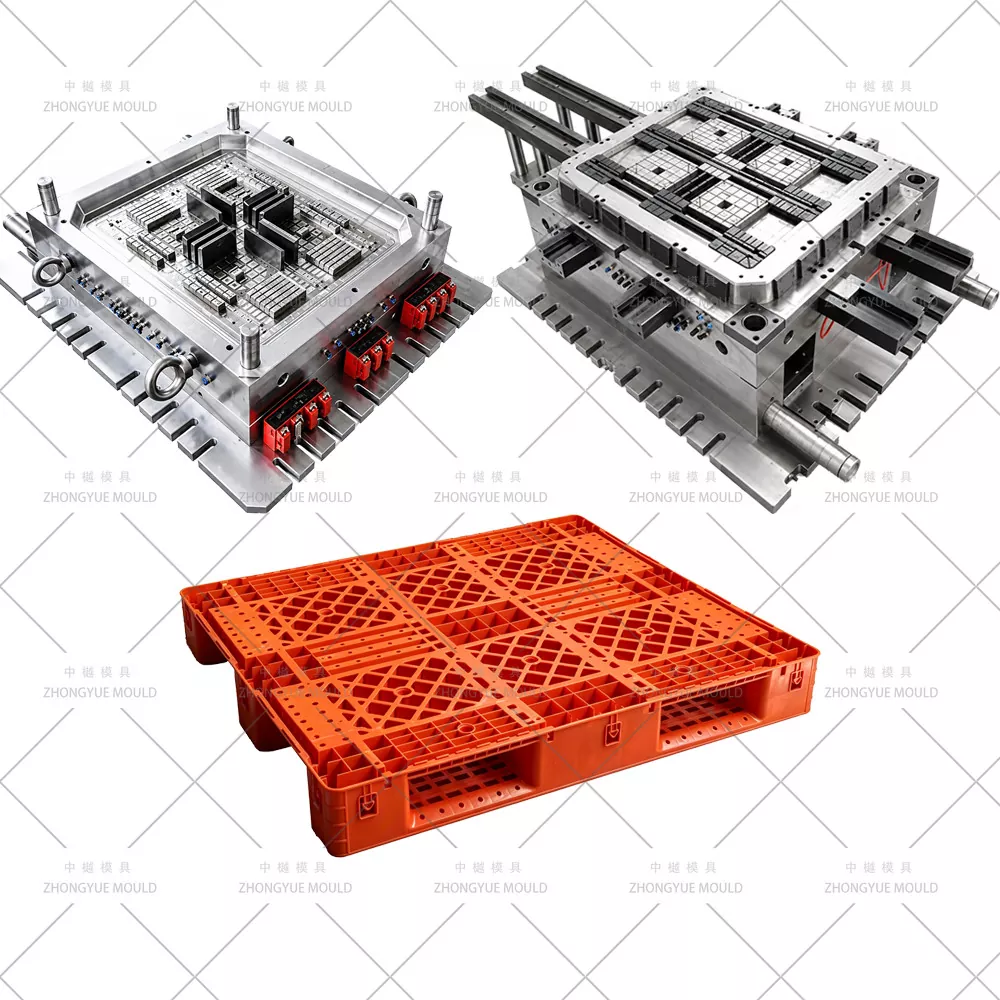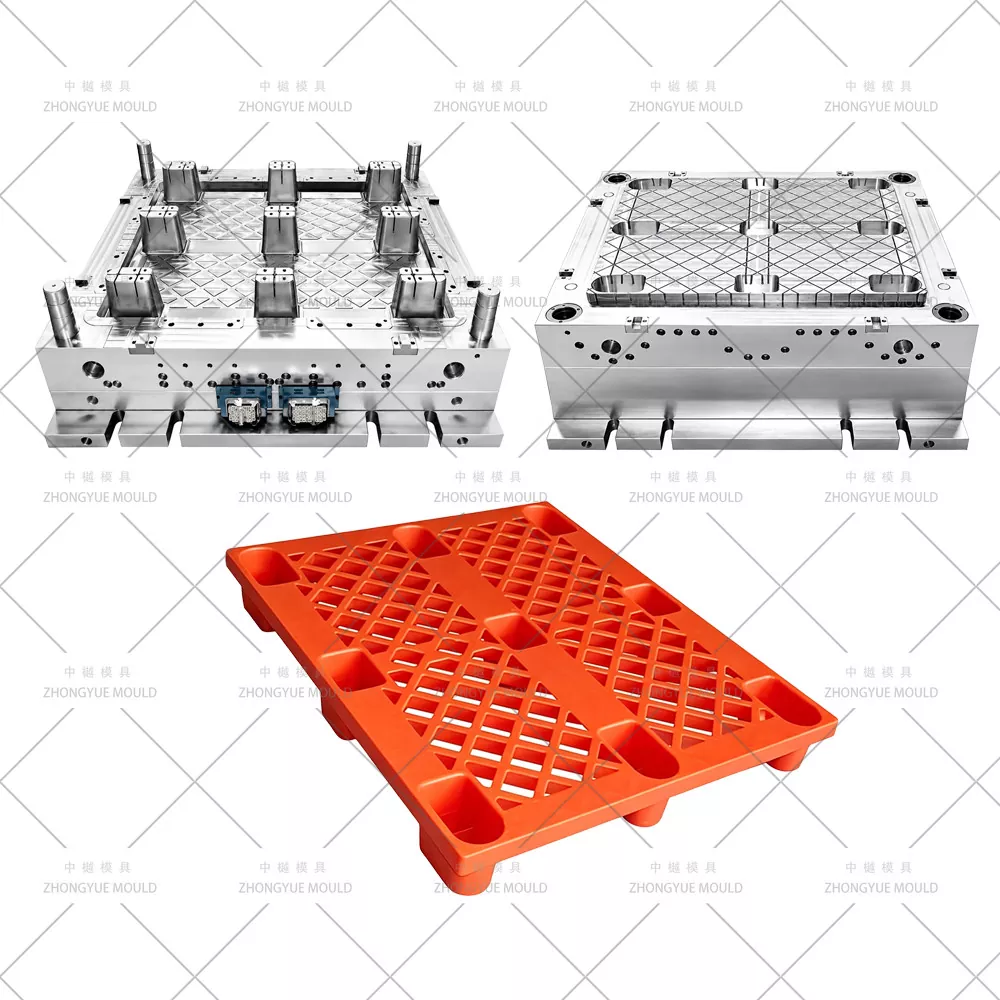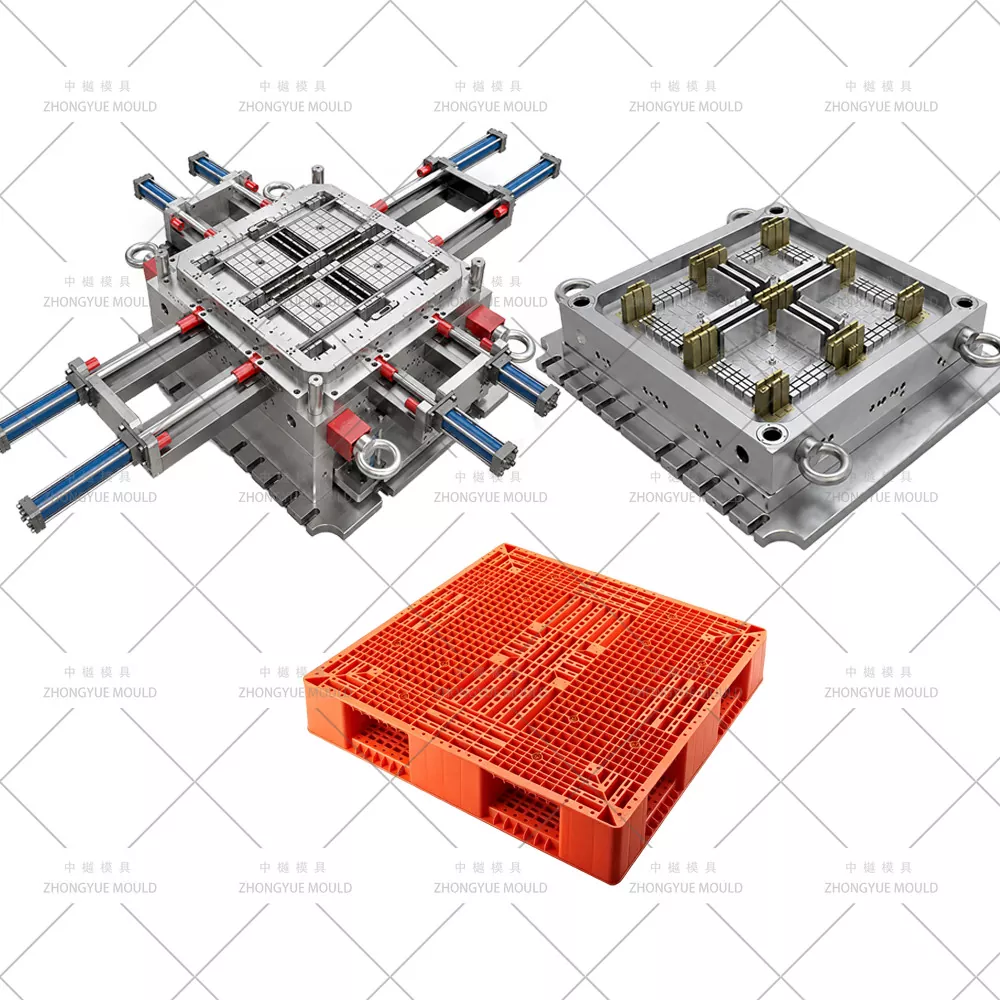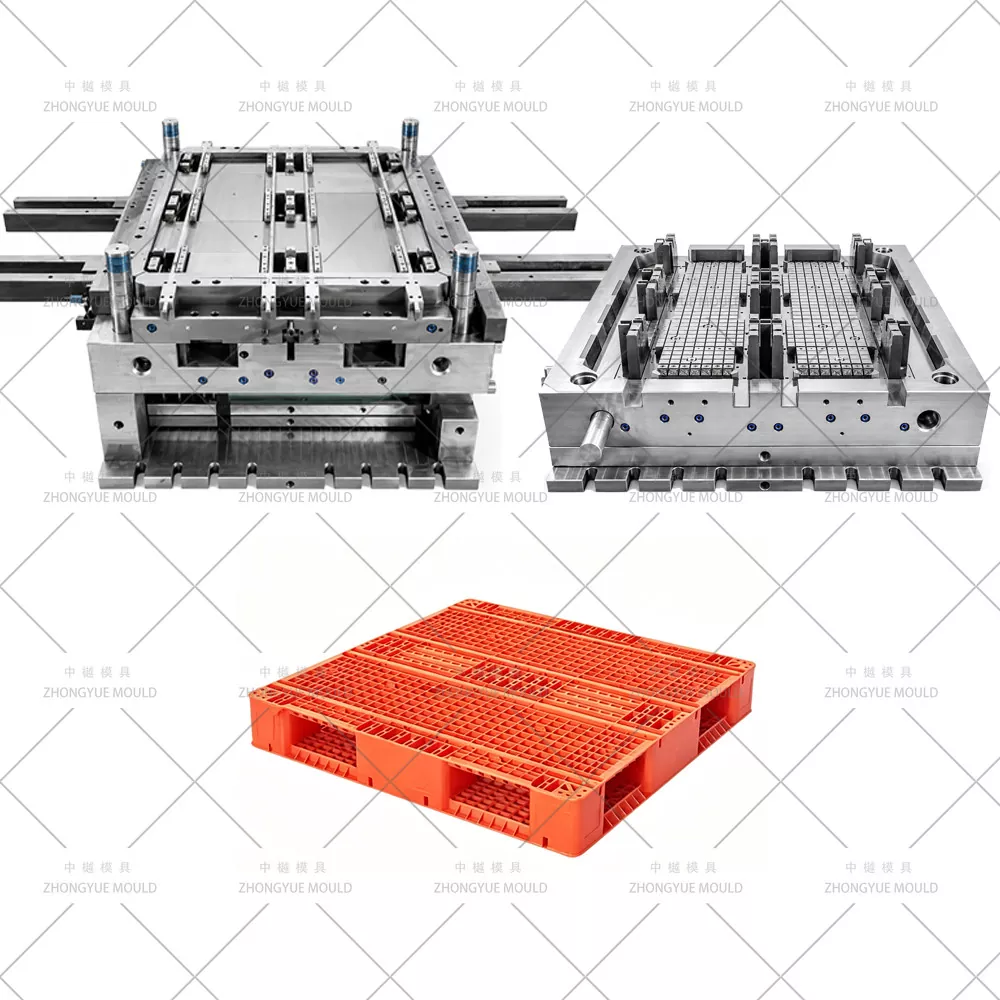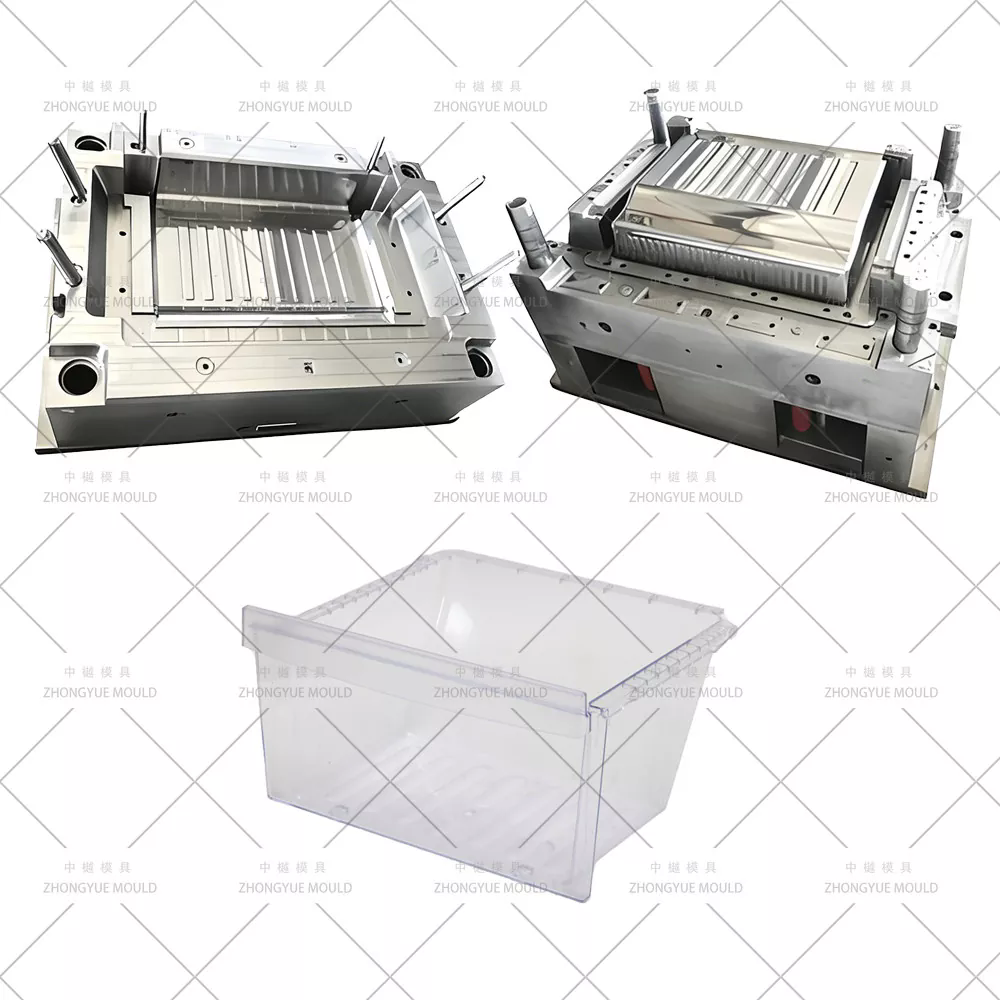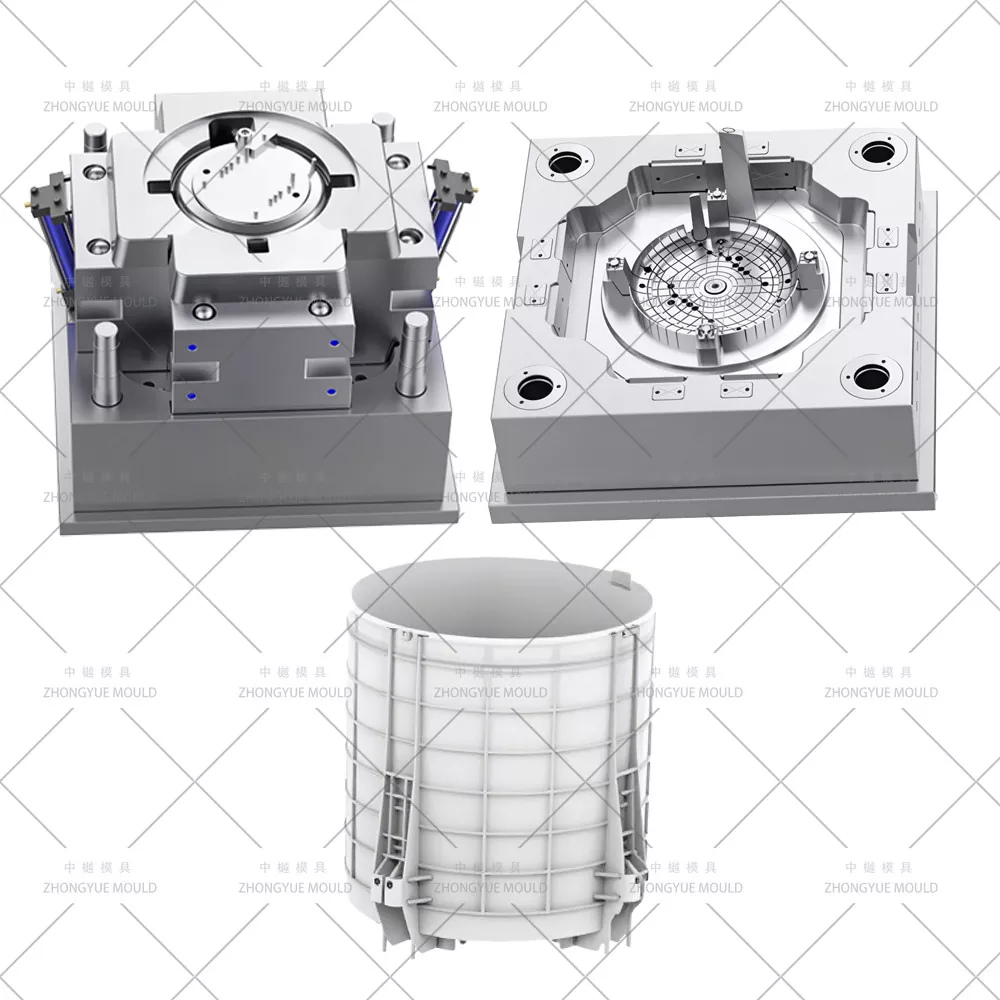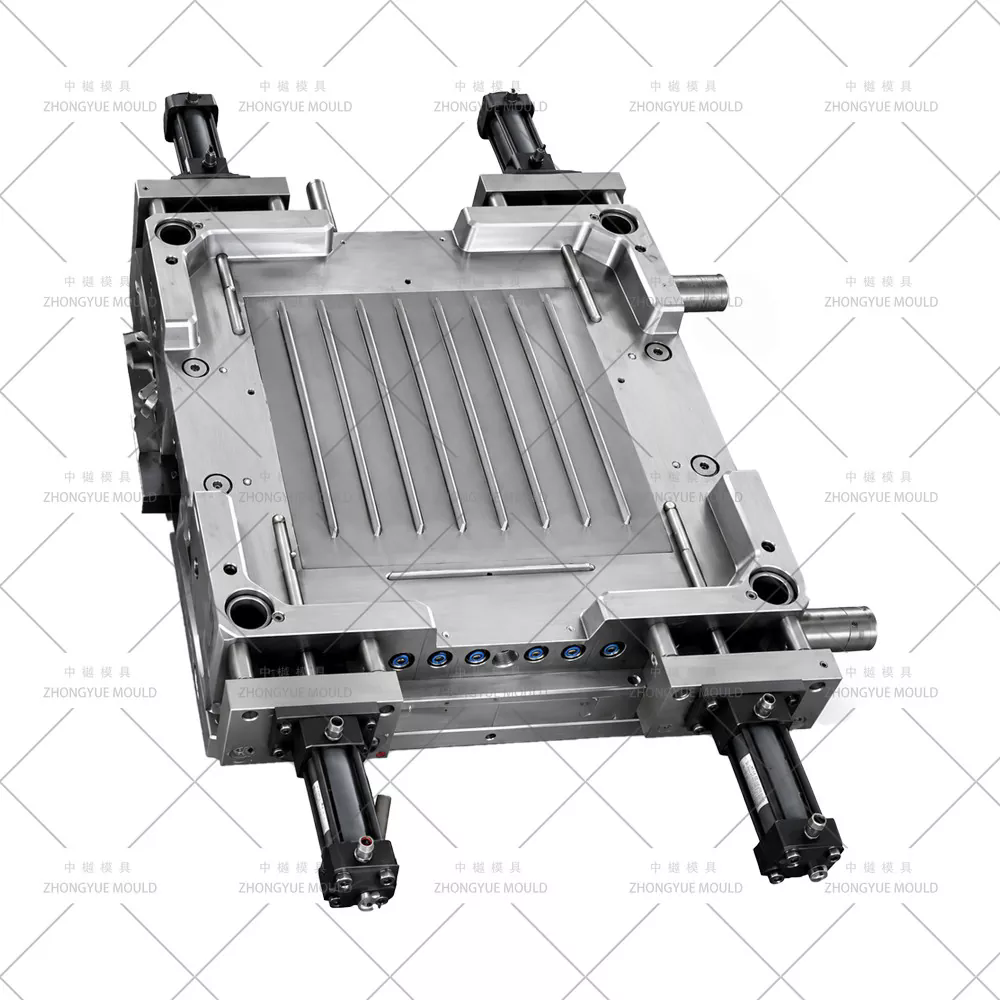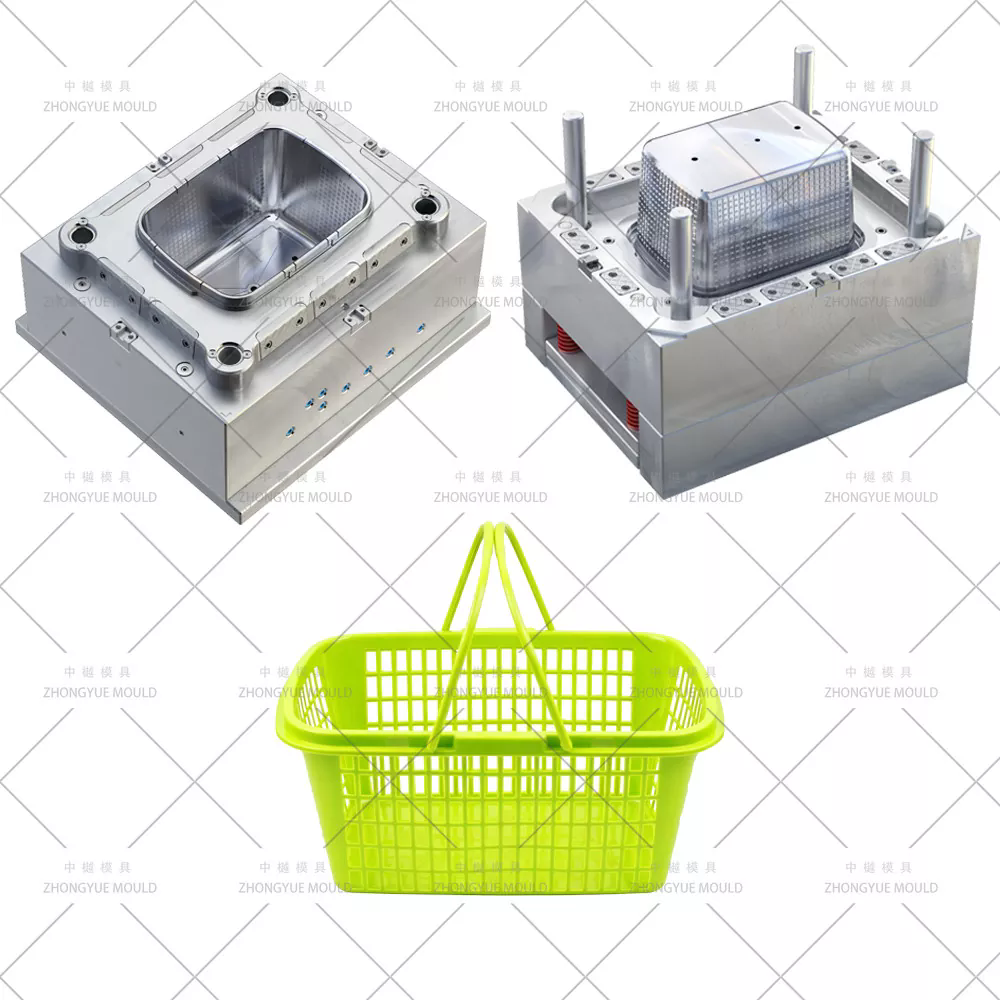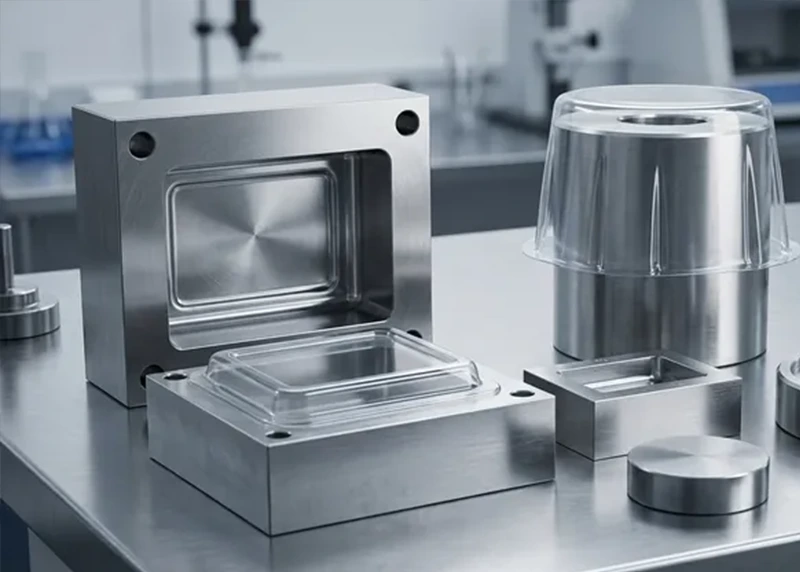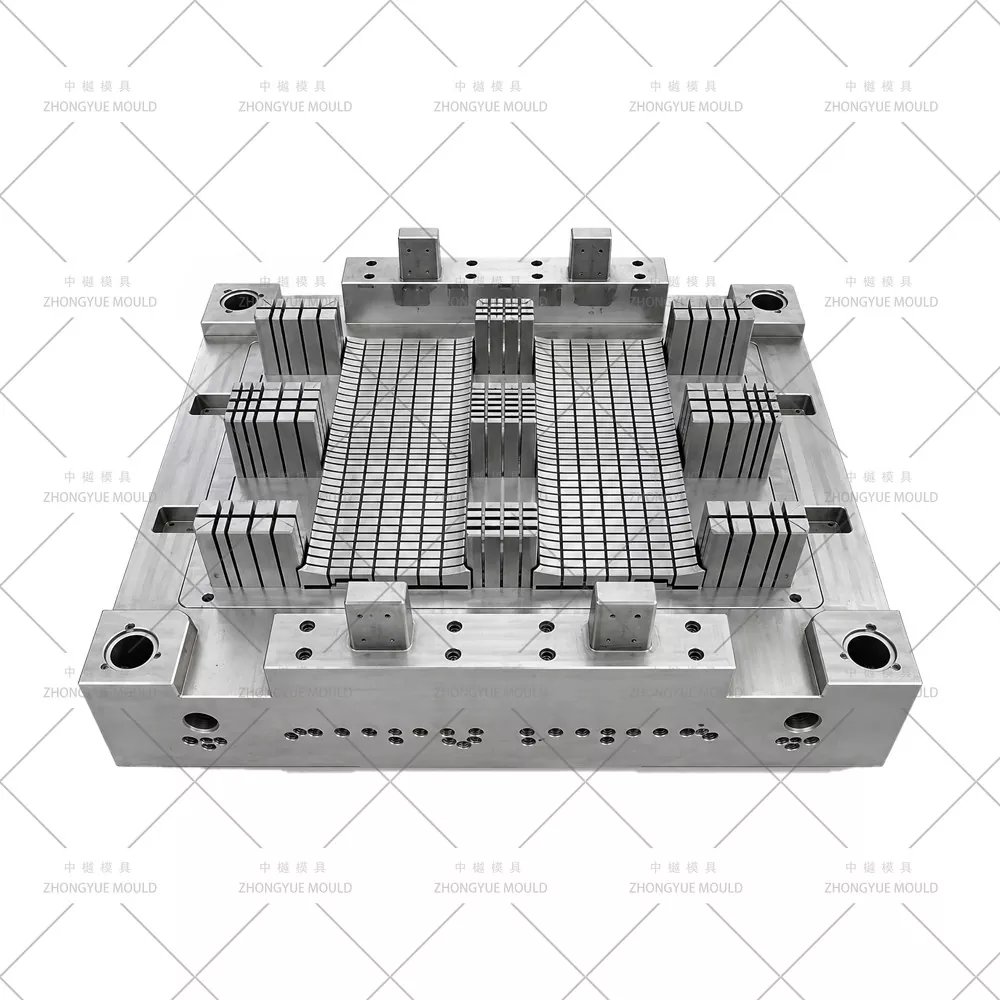
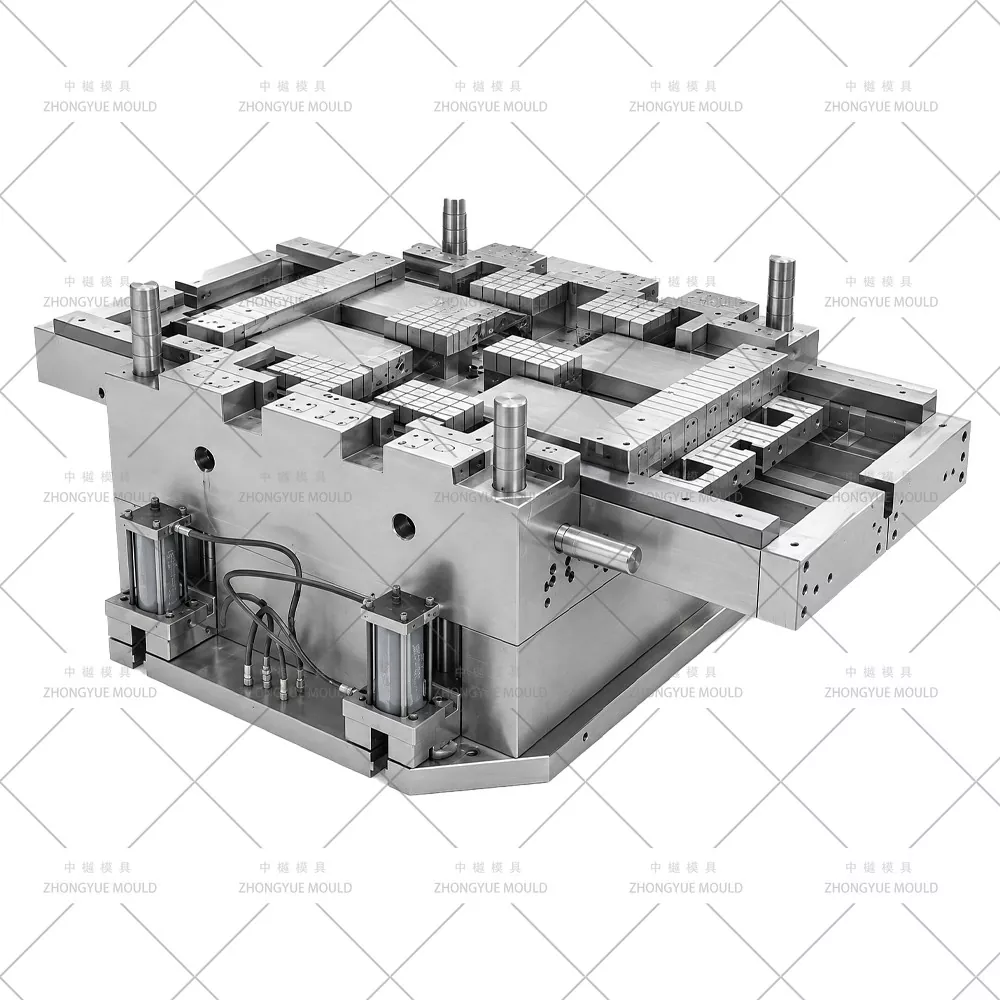
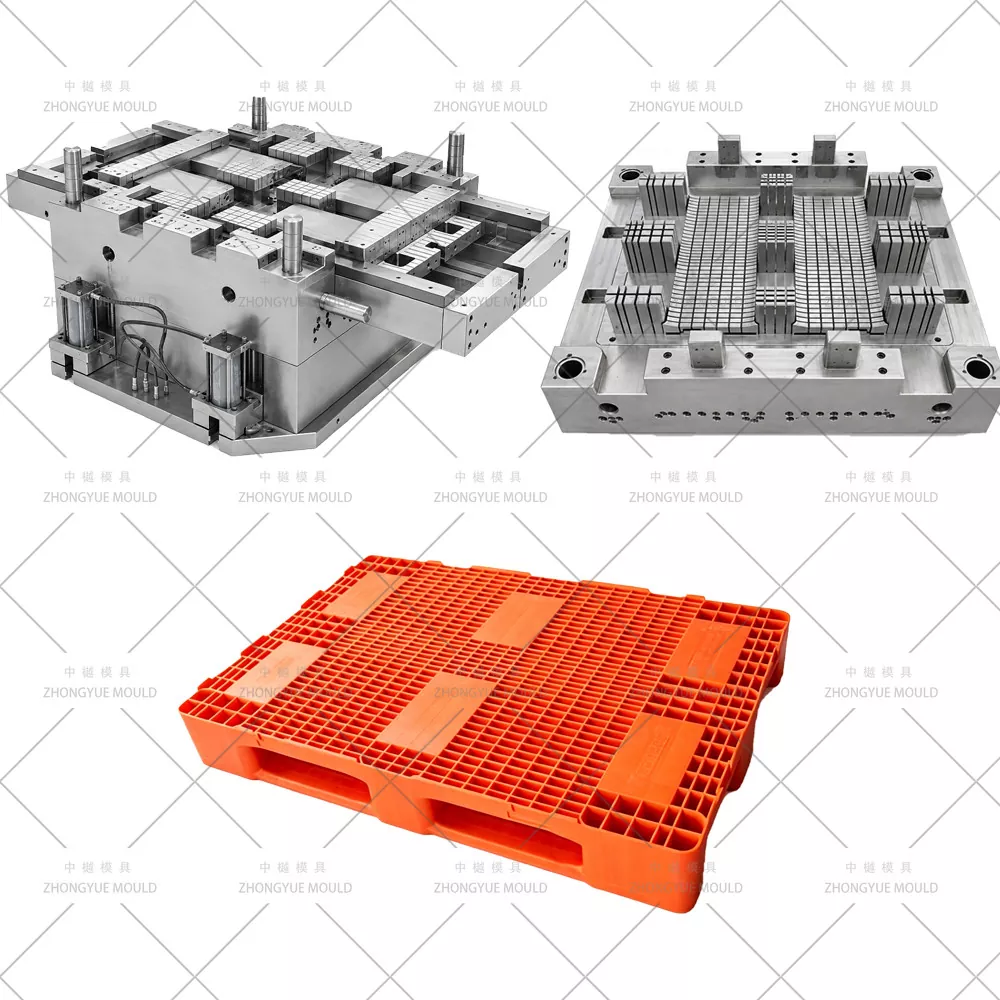
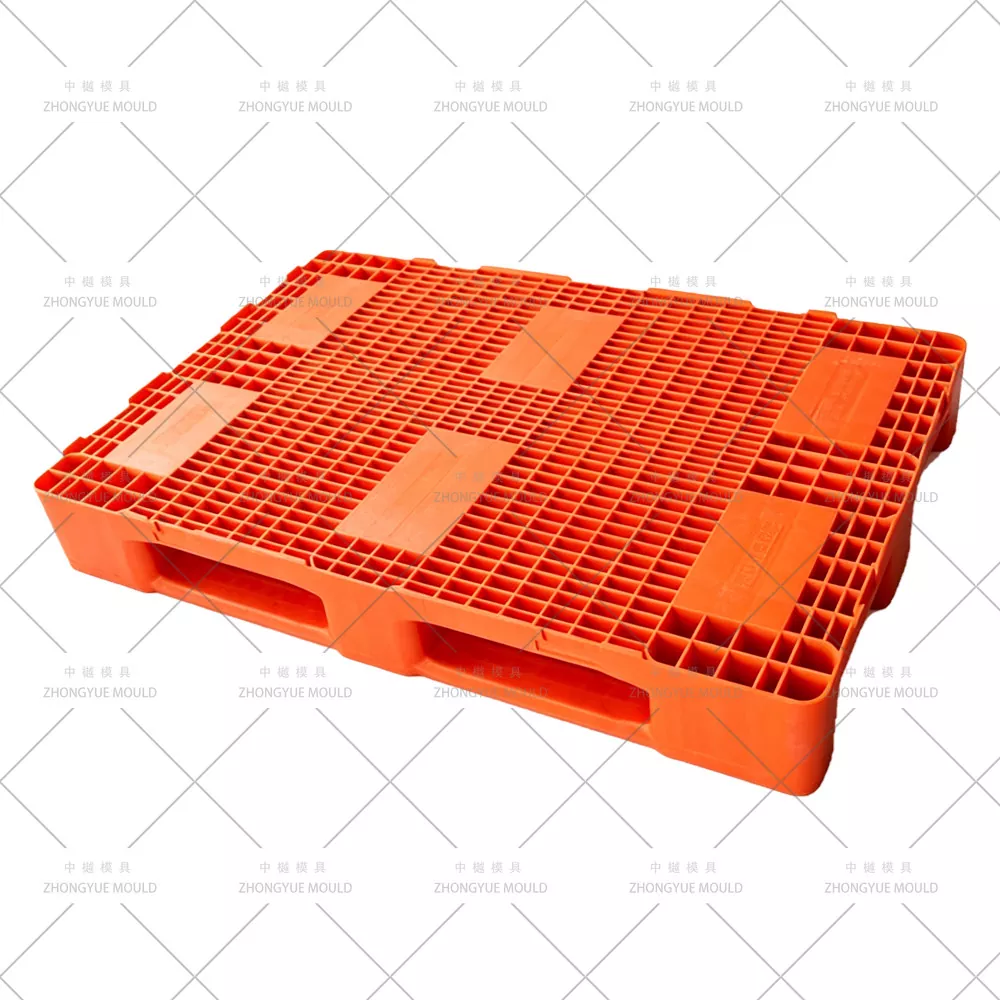
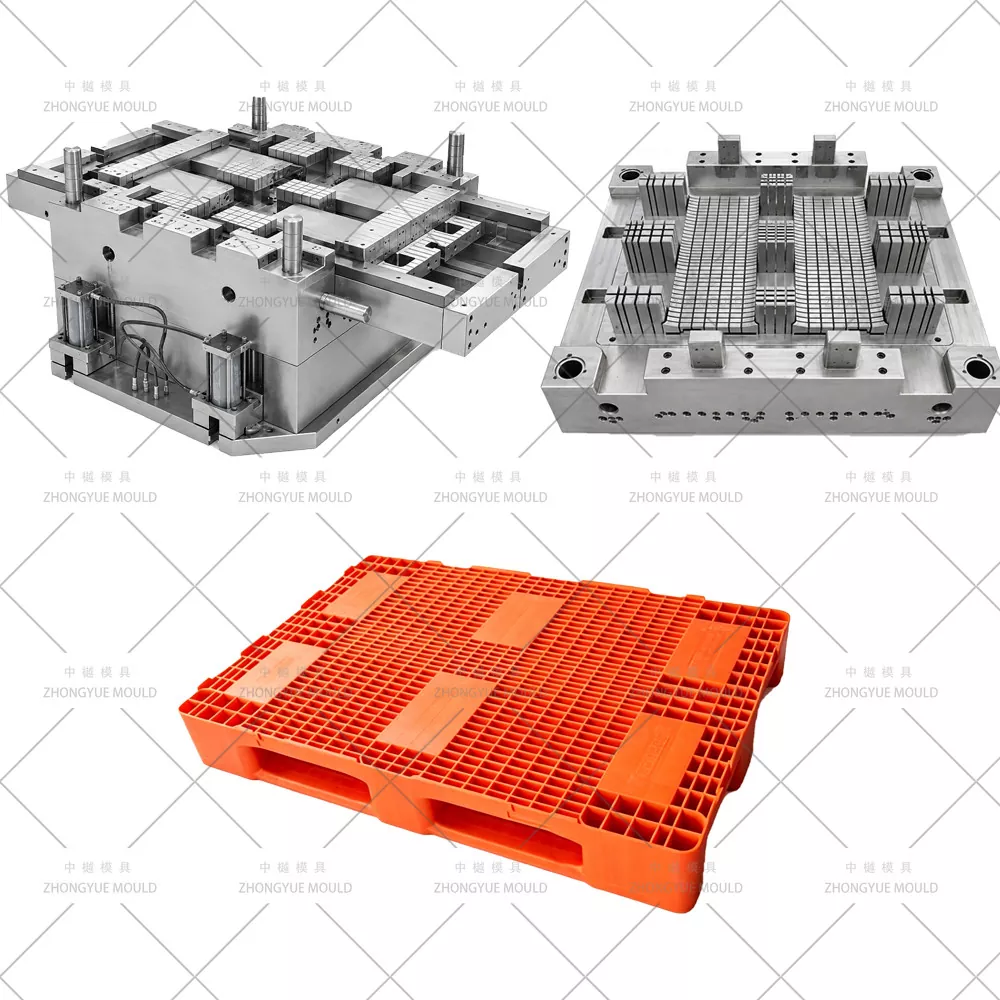
ZHONGYUE MOULD is a China manufacturer and supplier of Plastic Four-way Pallet Mould for injection-molded plastic pallets. The moulds are developed for nestable 9-leg pallets, single-face pallets, and double-face pallets used in warehousing, logistics, export shipping, and industrial material handling.
The mould structure is selected according to pallet dimensions, deck design, fork openings, plastic material, production volume, and expected mould life. PP and HDPE are commonly used, while recycled plastic can also be considered according to the pallet design and production requirements.
| Pallet Size |
400 × 300 mm 600 × 400 mm 800 × 600 mm 1200 × 800 mm 1200 × 1000 mm 1200 × 1200 mm Up to 1500 × 1500 mm |
| Pallet Structure | Nestable, stackable, single-face, double-face |
| Entry Type | Two-way or four-way entry |
| Pallet Material | PP, HDPE, recycled plastic |
| Load Requirement | Determined by pallet structure, material, wall thickness, rib design, and application |
| Mould Name | Plastic Four-way Pallet Mould |
| Mould Steel | P20, 718H, NAK80, 2316, S136, H13 and other grades according to requirements |
| Mould Base | Self-made, LKM, DME, ASSAB |
| Cavity | Single cavity or multi-cavity |
| Runner System | Cold runner or hot runner |
| Hot Runner Brands | MASTER, Husky, YUDO and other brands according to requirements |
| Design Software | UG, AutoCAD and related mould design software |
| Typical T1 Lead Time | Approximately 45–60 days, depending on mould size and structure |
| Gate Types | Pinpoint gate, edge gate, sub gate, film gate, valve gate, open gate and others |
| Mould Surface Treatment | EDM texture, texturing, polishing and high-gloss polishing according to part requirements |
| Quality System | ISO 9001 |
| HS Code | 8480719090 |
| Origin | Huangyan, Zhejiang, China |
| Packaging | Wooden case |
The mould structure depends on the pallet design rather than pallet size alone. Deck construction, support legs, fork openings, load requirements, stacking method, and handling equipment all need to be considered during mould development.
| Mould Type | Structural Features | Entry Method | Typical Applications |
| Nestable 9-Leg Design | Top deck with tapered support legs and openings between the legs | Forklift or pallet jack entry from four sides | Export shipping, one-way logistics, and warehousing |
| Single-face Design | Single deck with runners and reinforced fork-entry areas | Fork entry through the runner openings | Distribution, warehousing, and repeated handling |
| Double-face Design | Two-sided deck with integrated fork tunnels | Fork entry through the tunnel structure | Industrial handling, heavy-duty use, and rackable applications |
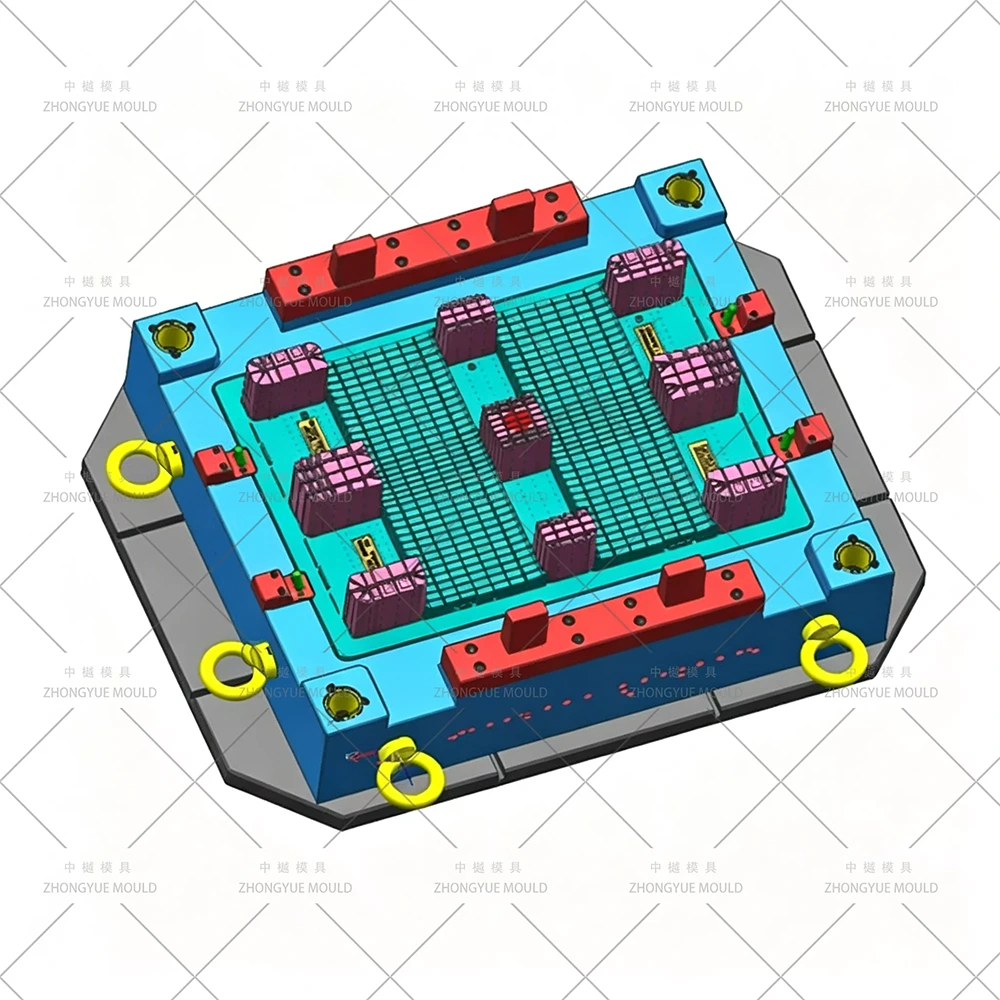
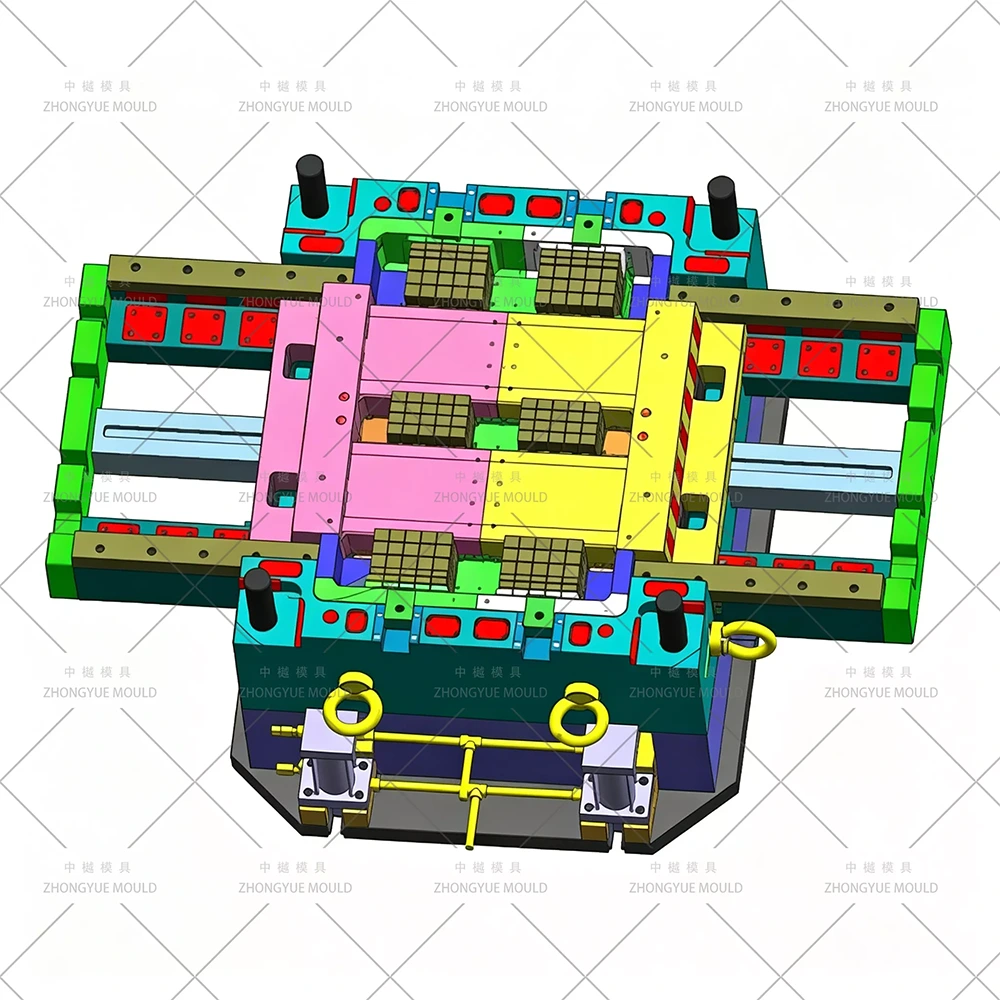
A plastic pallet has a large moulding area with ribs, legs, and other structural features. Gate position and runner layout need to be considered together with pallet geometry, plastic material, wall thickness, and injection conditions.
Hot runner or cold runner systems can be selected according to the project. For large or complex parts, Moldflow or other CAE analysis can be used to review filling behavior, weld lines, air traps, and injection pressure before mould machining.
The deck, ribs, and support areas may have different cooling requirements. Cooling channels are arranged around the main moulding areas according to the part structure and available mould space.
Separate cooling circuits can be used for different areas when required. The final layout depends on pallet thickness, rib structure, plastic material, cycle requirements, and mould construction.
Fork openings and other undercuts may require slides, side cores, lifters, or similar mechanisms. The mechanism is selected according to the opening geometry and mould opening direction.
Guide components and replaceable wear parts can be used in moving areas where required to support mould maintenance.
The ejection system is arranged according to the pallet structure and mould opening direction. Ejector pins, ejector blocks, and other components can be positioned around suitable areas of the pallet to distribute the ejection force.
The ejection layout is checked together with the cooling and side-action systems to avoid interference during mould opening and part removal.
The steel used for the mould is selected according to production volume, plastic material, mould structure, surface requirements, and expected service life. Common options include P20, 718H, H13, S136, and other suitable tool steels.
| Mould Steel | Typical Hardness | Typical Use |
| P20 | HRC 28–33 | Standard mould applications |
| 718H | HRC 33–36 | Higher production volumes and general wear resistance |
| H13 | HRC 43+ | Applications requiring higher wear and heat resistance |
| 2344 | HRC 48+ | Higher-wear mould applications |
| S136 | HRC 48–52 | Applications requiring corrosion resistance and suitable surface quality |
The pallet drawing, 3D model, or sample is reviewed before mould design. The deck, ribs, support legs, fork openings, draft angles, gate positions, cooling channels, and ejection system are checked during this stage.
For projects requiring simulation, filling and cooling conditions can be reviewed before machining. The analysis can help identify potential filling imbalance, weld lines, air traps, and other moulding issues.
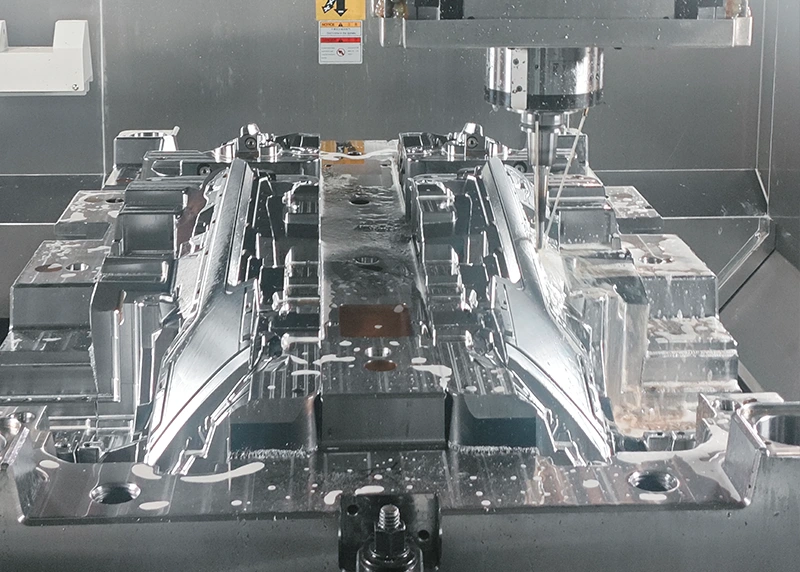
Core, cavity, inserts, and other mould components are machined according to the approved drawings and 3D data. CNC machining, EDM, wire cutting, drilling, grinding, and other processes are selected according to the component requirements.
After machining, the mould components are assembled and checked. Cooling circuits, runner components, side actions, ejector systems, guide components, and mould opening are inspected before the first trial.
The first mould trial is used to check mould operation and the initial moulded samples. Dimensions, appearance, filling, demoulding, ejection, and other agreed inspection items can be reviewed before further adjustments.

Four-way plastic pallets are used where forklift or pallet jack access from multiple directions is required. The pallet structure can be selected according to handling equipment, storage method, load requirement, and intended service conditions.
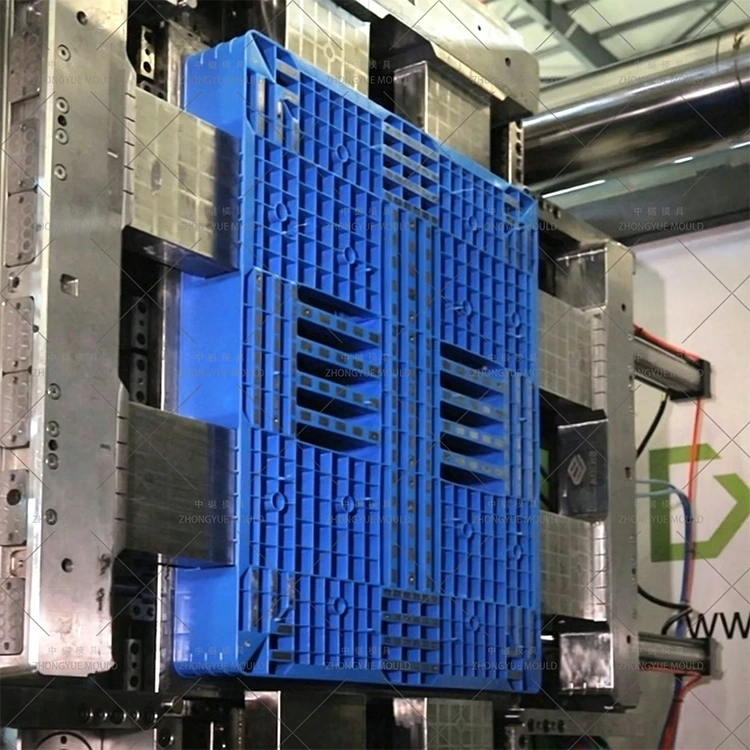
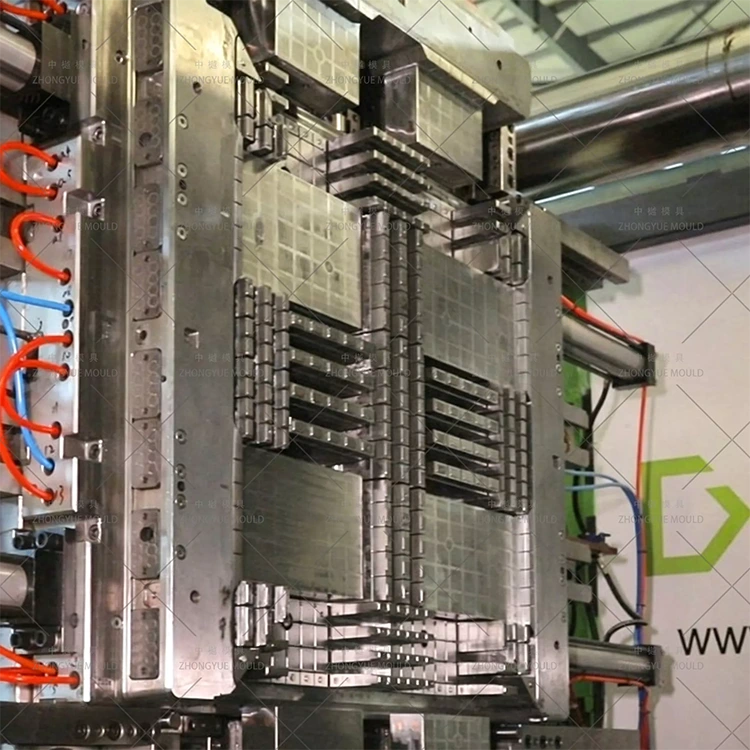
Mould inspection is carried out during machining, assembly, and trial production. Depending on the project requirements, inspection may include steel documentation, component dimensions, assembly accuracy, cooling circuits, ejection movement, mould opening and closing, and T1 samples.
Inspection records, dimensional reports, and trial information can be provided according to the agreed project requirements.
ZHONGYUE MOULD develops custom pallet moulds from customer drawings, 3D models, physical samples, or technical specifications. The mould structure is reviewed according to pallet dimensions, material, load requirements, production volume, injection machine, and expected mould life.
For quotation and engineering review, customers can provide pallet dimensions, structure, material, expected production quantity, mould life requirement, and injection machine information. A 2D drawing, 3D file, or physical sample can also be used as the basis for mould development.
After reviewing the project information, the mould specification can be confirmed, including mould steel, mould base, runner system, gate arrangement, cooling system, ejection system, and estimated T1 schedule.
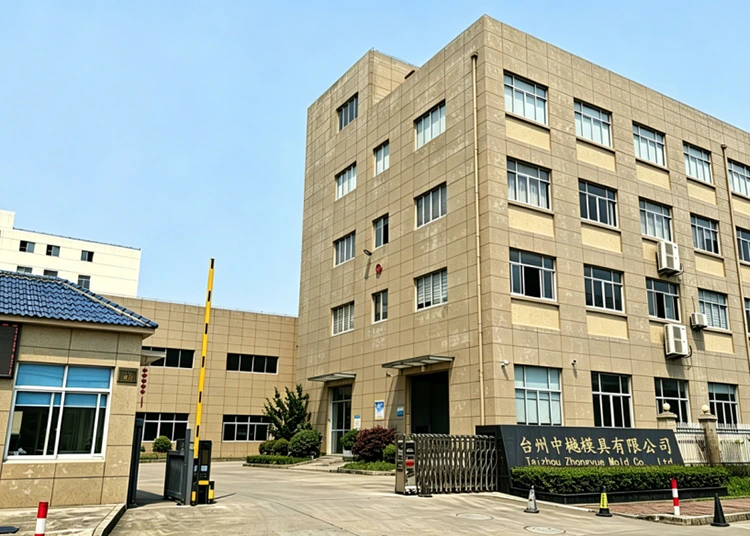
ZHONGYUE MOULD is a plastic injection mould manufacturer based in Huangyan, Taizhou, Zhejiang, China. The company develops and manufactures injection moulds for automotive, household, home appliance, logistics, and other plastic products.
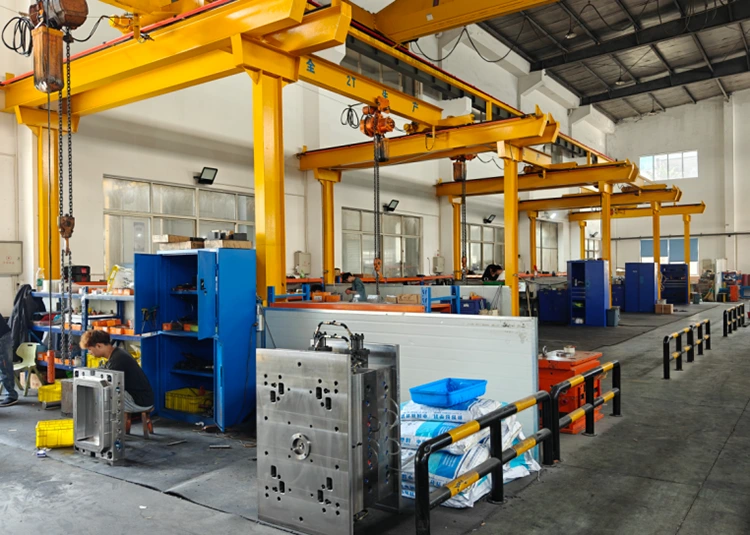
For large-format mould projects, the production process covers mould design, material selection, CNC and EDM machining, assembly, trial moulding, inspection, and project support.
It is an injection mould used to manufacture plastic pallets that allow forklift or pallet jack entry from four directions. The mould structure depends on the pallet design, deck construction, and entry openings.
PP and HDPE are commonly used for plastic pallets. Recycled plastic can also be considered when it meets the requirements of the pallet design and production process.
Common sizes include 1200 × 800 mm and 1200 × 1000 mm. Other dimensions can be developed according to the customer's drawing, 3D model, or sample.
P20, 718H, H13, S136, and other suitable mould steels can be selected according to production volume, material, mould structure, surface requirements, and expected service life.
The typical T1 lead time is approximately 45–60 days. The actual schedule depends on mould size, structure, steel, runner system, cooling design, side actions, and project requirements.
A pallet drawing, 3D model, physical sample, dimensions, material, load requirements, production volume, mould life, and injection machine information can be used for project evaluation.
If you are sourcing a mould for a four-way plastic pallet, send ZHONGYUE MOULD your pallet drawing, 3D model, sample, or technical requirements. We can review the product structure and production conditions and provide the corresponding mould specification and quotation.
Address
No.38, Kaituo Road Xinqian Street, Huangyan Taizhou City, Zhejiang Province, China
Tel